
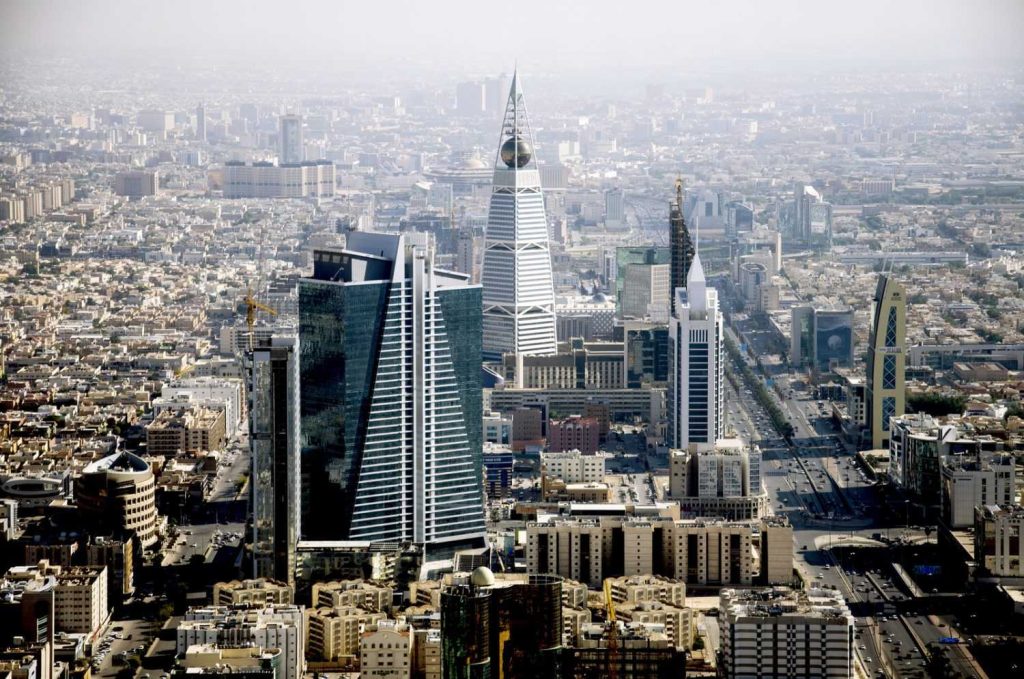

The weekly report issued by Al-Mazaya Holding predicted that the weekly report issued by Al-Mazaya Holding predicted that Real estate markets in the region may see rapid developments in terms of investor and end-user trends and preferences, as the market will see some investors exit and others enter, which will be accompanied by a rise in the number of real estate investment transactions and resales of completed and under-construction properties, regardless of prevailing prices or the magnitude of realized profits and losses.
The New Reality of Real Estate Investment
This new reality, brought about by the COVID-19 pandemic, will strengthen investors" desire to seize the opportunities created by the exit of current investors, along with a potential reluctance in some markets for developers to launch new real estate projects over the next few years following the pandemic, which will keep the real estate supply at levels far from rising and will impose greater balance on the forces of supply and demand.
The report added that current prices will undergo further correction amid the pandemic, which will undoubtedly present good opportunities for investors and individuals to capitalize on, though under conditions and requirements that may be influenced by lockdown measures, social distancing, and remote work.
Demand for detached or semi-detached residential units is expected to rise, and buyers or renters will prioritize properties that offer spacious indoor and outdoor areas, amenities, and features that support extended periods of staying at home while balancing work requirements and the well-being of the entire family.
Real Estate Adapting to the Post-Pandemic Reality
The report’s findings confirm that the labor market will undergo significant changes in work mechanisms and tools during the current and coming periods, as societies adopt a new culture that prioritizes human health through social distancing and avoiding crowded areas. Therefore, the priority for maintaining employment will be given to those with the highest competence and ability to adapt to rapidly changing circumstances and developments while maintaining high levels of productivity, Consequently, these trends will inevitably affect demand patterns in the real estate market, driving demand toward properties that offer a variety of services and utilize modern technologies.Conversely, many unskilled workers will be pushed out of the market, which will put downward pressure on demand for lower-quality housing units lacking services or amenities.
Changes in Government and Private Sector Work Mechanisms and Patterns
In light of the aforementioned radical changes in the real estate market’s philosophy; key economic sectors and activities have shown greater responsiveness in changing work mechanisms and patterns in both the public and private sectors, in line with the requirements of the current phase to combat the spread of the coronavirus and limit the outbreak of this global pandemic. This is expected to be accompanied by a noticeable change in individual behaviors even after the pandemic has ended.
The report states that individual behavior is expected to be affected in terms of the buying and selling of durable and non-durable assets, as well as indirect investments, as a result of the profound repercussions caused by lockdowns and movement restrictions, which have given rise to many unusual behaviors that have become part of daily life for individuals and entities of all types and sizes.
Survival for Successful Economies
The report on benefits concludes by stating that the overall performance of the economies of the region and the world will affect the pace of activity and the forces of supply and demand across all sectors and activities; therefore, resilience in the face of the financial and economic repercussions of the virus’s spread is, in itself, a success. This is achieved by maintaining business continuity, stimulating economic activity, and mitigating the losses and operating costs of private-sector companies during the current period. In addition, it involves supporting the growth of promising sectors—whether agricultural, industrial, medical, or other service sectors—which have demonstrated exceptional resilience and the ability to directly confront challenges.
The foregoing leads us to conclude that these markets and economies will be prioritized for real estate and non-real estate investment and will see increased domestic and foreign investment during and after the pandemic, bearing in mind that successful resilience factors will help maintain investment returns and asset values within safe limits under all circumstances.
Related Topics: Real Estate – International Trade – Real Estate Appraisal – Residential Villas – Outdoor Advertising – Residential Land – Residential Developments – Real Estate Investment – Loans
Abdulaziz Al-Issa, Editor-in-Chief, writes: Transformation… Post-Pandemic Investment
Credit ratings do not reflect the true financial standing of oil-producing economies
Jamal Al-Zamil Outlines the Roles, Responsibilities, and Requirements of a Successful CEO
Loans
”Municipal and Rural Affairs" Grants 60 New Powers to District and Provincial Secretaries, Deputy Ministers, and Department Directors
The Ministry of Justice Issues 10,897 Rulings During the Period When In-Person Work Was Suspended
Riyadh Chamber Reviews Initiatives to Mitigate the Impact of the Coronavirus Pandemic


