The success of a real estate project is no longer measured solely by the number of units sold or the speed of key handover ; a more important stage begins after the sale, when the owner or tenant discovers the true nature of the experience they purchased, and not just the specifications of the property they contracted for.
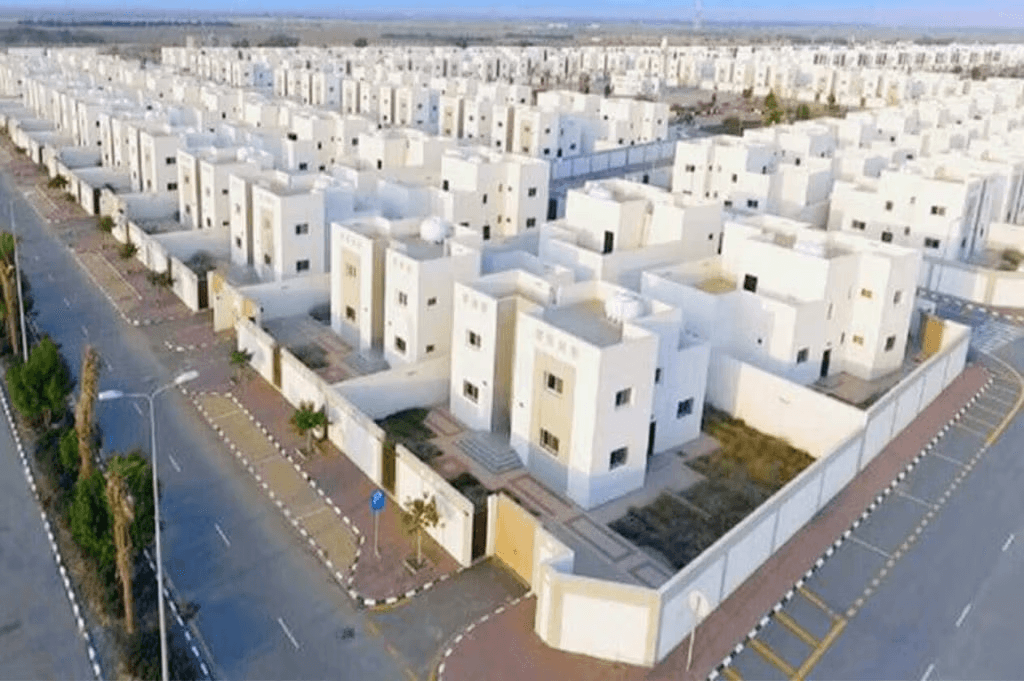
The Saudi real estate market is undergoing a transformation that goes beyond mere construction and ownership expansion to a redefinition of the relationship between property and its beneficiaries. The percentage of Saudi households owning homes has risen from 471 TP3T in 2016 to 66,241 TP3T by the end of 2025, approaching the Vision 2030 target of 701 TP3T. These figures not only reflect growth in ownership but also indicate a broadening base of beneficiaries and the increasing importance of quality housing-related services.
From real estate product to real estate experience
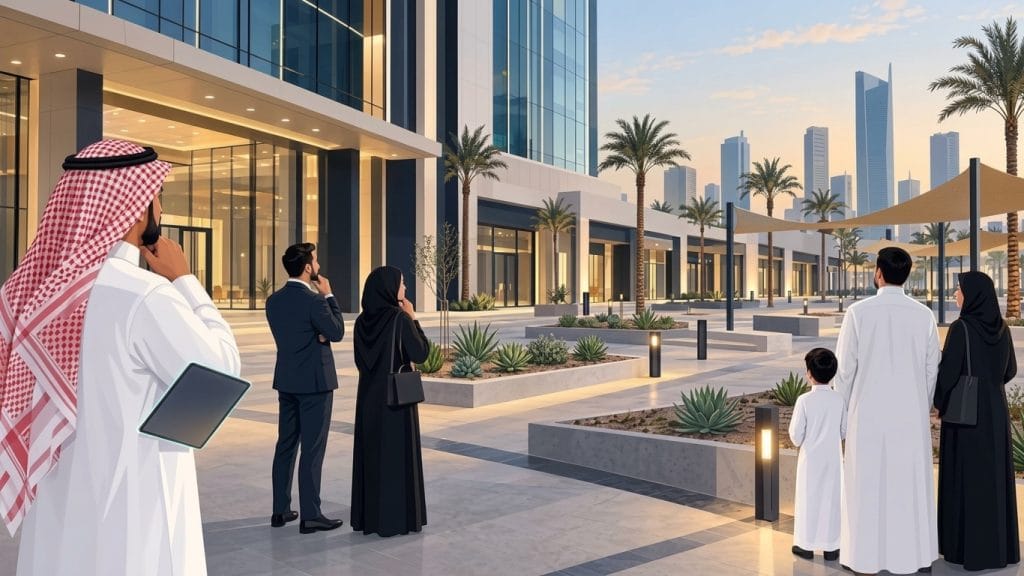
At this stage, the client is no longer just looking for space, location and design; rather, his evaluation of the property is now linked to the quality of maintenance, the speed of handling complaints, the efficiency of facilities management, the clarity of fees, the ease of communication and the extent to which the responsible party responds to his needs.
Here, customer experience becomes a competitive advantage, not just an added service. A positive experience fosters trust, strengthens the developer's reputation, increases tenant retention rates, and protects the long-term appeal of the property.
This issue is gaining increasing importance as the General Authority for Real Estate moves towards developing regulatory frameworks for the management of real estate properties and facilities, by releasing regulatory drafts for public consultation in May 2026, reflecting the importance of raising the level of professionalism and governance and defining responsibilities.
The true value begins after delivery.
The problem is that some development models still prioritize the construction and sales phase, while neglecting the operation and maintenance phase. The result can be modern buildings with declining efficiency, facilities that lose their appeal, and strained relationships between owners and management companies.
The future requires a clear shift to a model that measures property success by indicators beyond sales, such as customer satisfaction, average complaint processing time, commitment to preventive maintenance, rent renewal rates, operating costs, and asset value retention.
The next five years... a different test.
Over the next five years, I expect property and facilities management companies to become increasingly important, and smart building technologies, digital platforms, and beneficiary data analytics to become essential tools in enhancing the real estate experience. Service quality will also become a key competitive factor for projects, rather than simply a supplementary element.
The Saudi real estate sector not only needs to build more units, but also to build a more sustainable relationship with those who live in and invest in them.
The future will not only belong to those who sell the property first, but also to those who can make the customer satisfied with their choice years after receiving the key.
Read also by the same author:
The land is moving... so why aren't all deals being converted into housing?
Who will own the cities in the future?
Saudi real estate: between growth and speculation... Has the function of housing changed?
The one-year notice is a regulatory step to control the rental market.
Good Housing: An Economic Balance Between Real Estate Supply and Demand