
The 12th session of the Riyadh Economic Forum was opened today, Monday, under the patronage of King Salman bin Abdulaziz Al Saud, and in the presence of a number of officials, experts, specialists, and representatives from the public and private sectors, to discuss five economic and development studies that address issues of food and water security, knowledge localization, traffic congestion, the impact of legislation and public policies, and maximizing the returns from hosting major global events.
The work of the forum, organized by the Riyadh Chamber of Commerce and Industry, will be held from October 12 to 14, 2026 at the Riyadh International Convention and Exhibition Center, with the participation of specialists, academics, and representatives from government agencies and the business sector.
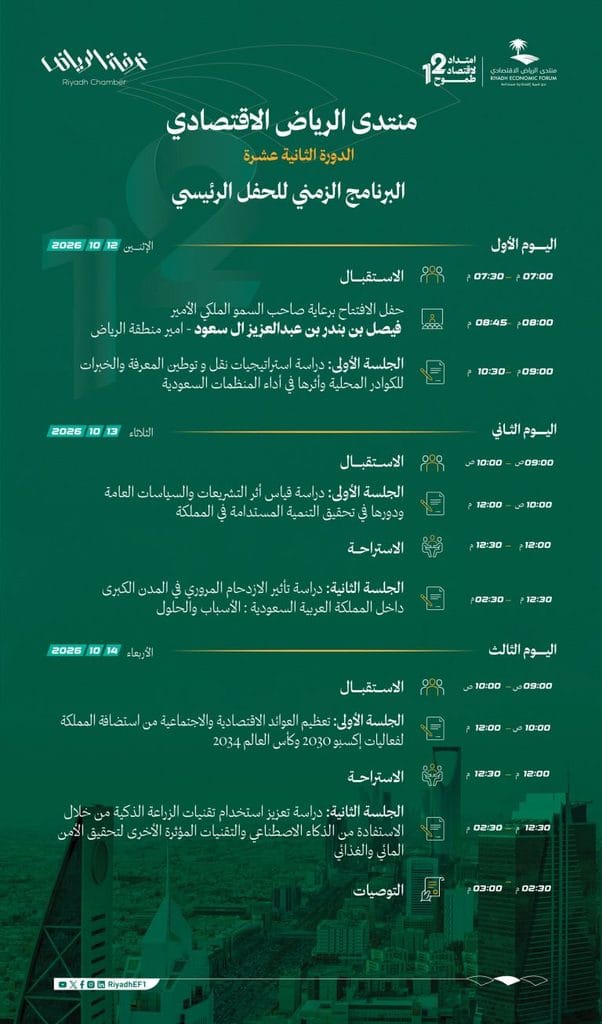
5 studies on the table at the Riyadh Economic Forum
According to the forum’s program, the studies presented during the current session are divided into five main topics aimed at addressing priority economic and development issues and developing solutions based on scientific studies, analyses, and data.
The first study discusses ways to enhance the use of smart agriculture technologies, through the utilization of artificial intelligence and modern technologies, which contribute to improving the efficiency of resource utilization and supporting food and water security in the Kingdom. This issue also reviews the role of advanced technologies in developing the agricultural sector, given the importance of improving the efficiency of water and resource use and enhancing the sustainability of agricultural production.
The second study addresses strategies for transferring and localizing knowledge and expertise among local cadres, the impact on the performance of Saudi organizations, and focuses on mechanisms for transferring expertise and enhancing the capabilities of national cadres, building sustainable institutional capacities, and improving performance efficiency; all of which support the development of the work environment and productivity within organizations.
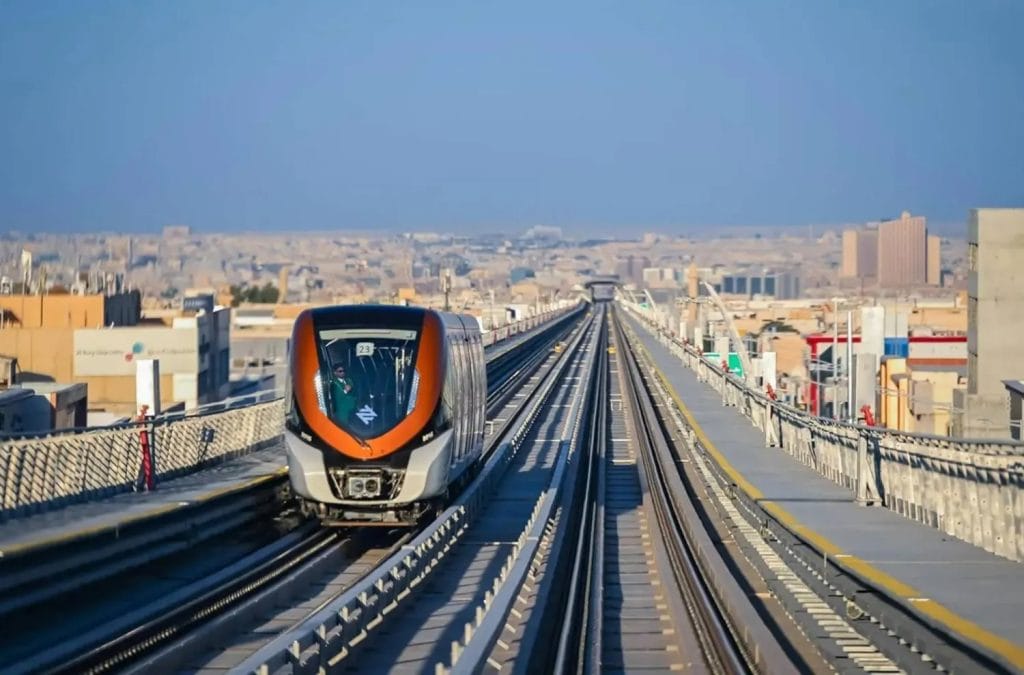
Traffic congestion in major cities: causes and solutions
The forum is looking into the problem of traffic congestion in major cities in the Kingdom through the third study that addresses its causes, economic, social and environmental impacts, and solutions that can contribute to improving urban transport efficiency.
This file is related to urban planning and the development of the mobility system in cities, including efficient traffic flow and reducing the effects of congestion on individuals, economic activities, and the environment.
While the fourth study seeks to develop tools to measure the impact of legislation and public policies, and to link their results to the Sustainable Development Goals and the Saudi Vision 2030, the study aims to enhance the effectiveness of public policies, develop mechanisms to measure their results, and support decision-making based on evidence and indicators, which will help assess the impact of legislation in achieving economic, social, and developmental goals.
Maximizing returns from Expo 2030 and the 2034 World Cup
The forum will focus on the fifth study to explore ways to maximize the economic and social returns from hosting the Kingdom’s Expo 2030 and World Cup 2034. The study examines how the two events can be used to stimulate investment, develop infrastructure, promote local content, generate job opportunities, diversify the economy, and expand opportunities available to the private sector.
It is worth noting that since its inception in 2003, the Riyadh Economic Forum continues to discuss issues affecting the national economy through specialized studies prepared and discussed by experts, academics, and representatives from the public and private sectors. The Riyadh Chamber of Commerce, in a report published in August 2026, stated that the forum has produced more than 57 in-depth economic studies over its history, which resulted in recommendations that have been turned into government initiatives and decisions, as part of its role in diagnosing economic challenges and presenting feasible proposals.
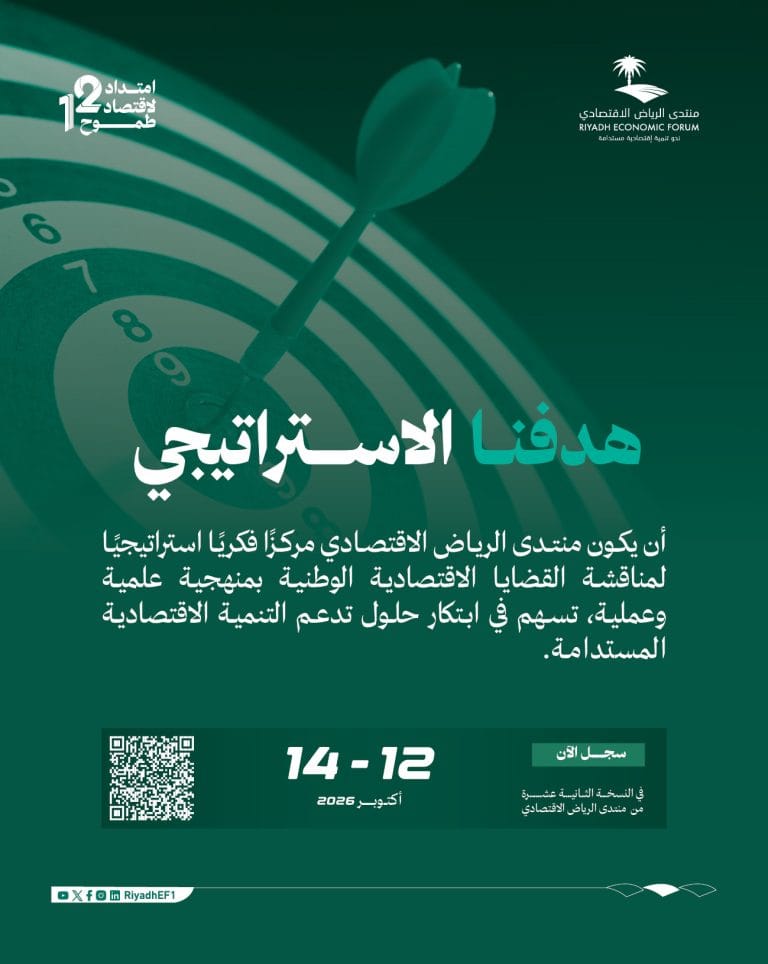
The forum’s methodology relies on identifying priority issues for the national economy, forming specialized working teams, and conducting studies and analyses based on data, indicators, and international experiences, followed by discussing the outputs with the aim of formulating recommendations to support the economic decision-making process.
Read also:
23.5% % decline in Saudi industrial production during August last year