Hadeel Al-Sultan – Riyadh
The widespread availability of apartments for sale throughout our beloved Kingdom following the issuance of the executive regulations for the Real Estate Unit Ownership and Classification Law, has led many investors to construct buildings with subdivided units to cater to those seeking ownership units that fit their lower income levels. As a follow-up to our report (1) in the previous issue, we will now provide you, dear reader, with an overview of the current state of apartments offered for ownership throughout the Kingdom.
The History of Condominiums
Condominiums are not new to the Saudi real estate market, but what is new is their widespread availability as low-priced housing units in residential neighborhoods of major cities following the issuance of the regulatory decree. Previously, this type of ownership was common in the cities of Makkah and Madinah, particularly in areas near the Two Holy Mosques. The emergence of this type of ownership was driven by rising prices per square meter in these areas and the desire of many to own property near places of worship, whether for commercial, residential, or investment purposes.Freehold apartments were also available in coastal areas, particularly in private resorts overlooking the Red Sea or the Arabian Gulf in the Kingdom’s coastal cities, such as Jeddah, Al-Khobar, and Dammam. Owning these sea-view apartments (a chalet-style apartment is an added perk for high-income earners.
Availability of Listed Apartments
Upon a closer look at the apartments on the market, we note that the buildings containing freehold units vary in type, ranging from residential towers located on major, prominent streets to small buildings scattered among homes in various residential neighborhoods. In addition, some units are still being offered in high-rise towers with magnificent ocean views, as well as others with a private beach within the condominium community (chalets). These freehold apartments are widespread throughout the Kingdom’s cities, particularly in major cities where the cost per square meter is high, such as Riyadh, Jeddah, Al-Khobar, and Dammam. They are also found, albeit to a lesser extent, in vibrant cities like Taif, Jazan, Hail, and the cities of Al-Qassim.
Sizes of the Apartments Offered
The sizes of the apartments on offer vary; some are small, featuring two bedrooms and two bathrooms, in addition to a living room, kitchen, and guest room, and some may include a dining room. The majority of apartments on the market have three bedrooms in addition to living rooms, while those with four or more bedrooms are rarer; some of these apartments include a small room designated for a maid. Most of the apartments on the market are single-story, but two-story apartments have recently begun to appear, and a few of them include a private rooftop for each apartment.
The average size of the apartments starts at 120 square meters and can extend to 300 square meters or more for those that are more luxurious in terms of construction, finishes, or location.
Prices of Freehold Apartments
The price of these apartments varies depending on the city in which they are located, their specific location, their size, and the features they offer. Generally, prices for these apartments start at an average of 250,000 riyals and can exceed 1.5 million riyals for apartments in strategic locations or those with amenities such as a gym, a swimming pool, and security personnel.
After-Sales Services Provided by the Developer
For the apartments on offer—whether in high-rise towers or strategically located—the developer provides management, maintenance, and cleaning services and ensures the installation of emergency exits and safety equipment in the common areas of the apartments for a modest annual fee. However, in general, the developer does not provide any after-sales services to buyers of freehold apartments, which are commonly found in buildings no taller than three stories and scattered among houses in residential neighborhoods. Generally, for most of what is on the market, the developer offers a warranty on finishes and construction for a number of years, which may reach five years. Furthermore, the majority of these apartments lack any safety features such as emergency exits or even fire extinguishers.
The Purpose of Buying Apartments
Most apartment buyers are small families with fewer than six members, and they purchase these apartments for their own residence. A small number of investors purchase freehold apartments for investment and rental purposes. The majority of buyers are Saudi nationals, but there are a few foreign owners.
Sale and Financing
The sale and purchase of freehold apartments are subject to the Executive Regulations of the Real Estate Unit Ownership Law issued by Cabinet Decision No. 40. Most apartment buyers obtain bank financing secured by their salary; however, this type of financing is expected to decline following the issuance of the financing decision from the Real Estate Development Fund, which allows citizens to apply to the fund and use the financing to purchase an apartment, provided that its size does not exceed 250 square meters and it is no more than seven years old. Some large companies offering these apartments provide financing options, but the majority of apartment developers are mid-sized investors who do not offer this service.
Widespread but Unregulated
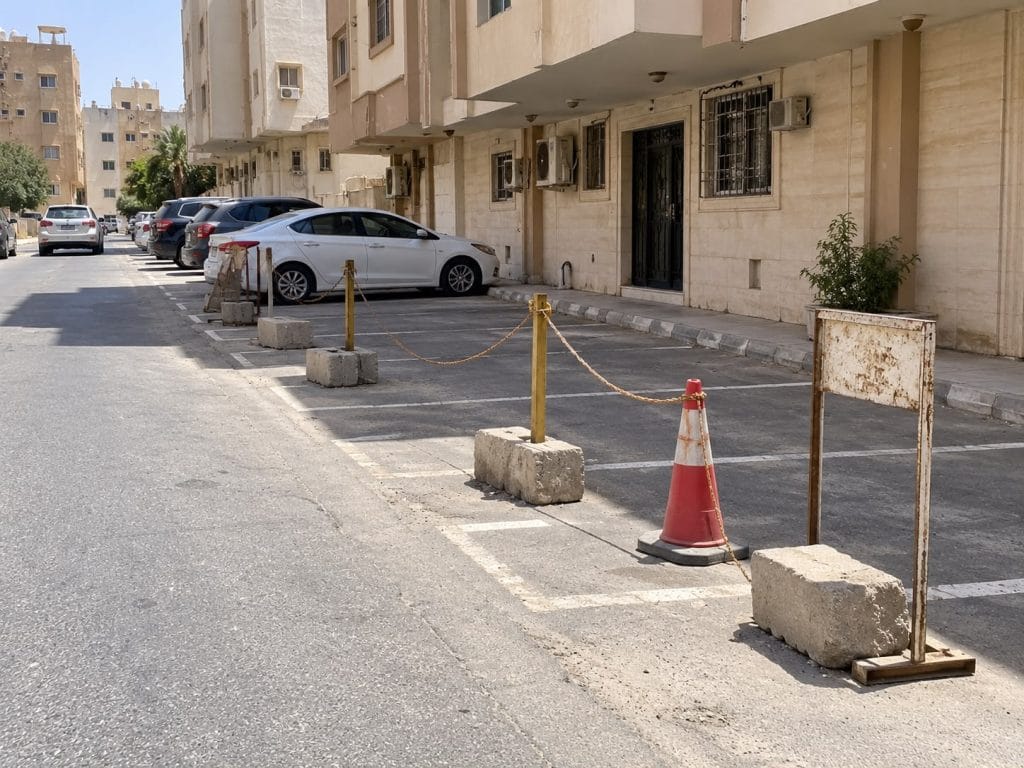
Given the scarcity of land available for housing in the Kingdom’s cities and the low average income of individuals—factors that have influenced the beliefs and lifestyles of many Saudi families and investors—the proliferation of owner-occupied apartments has become inevitable. Some large-scale investors have already moved to build high-end owner-occupied apartments with organized after-sales services, including security, maintenance, and cleaning teams, all while prioritizing safety. Many mid-sized investors have also capitalized on this need by constructing buildings no taller than three stories containing owner-occupied apartments, resulting in these apartments springing up haphazardly along major streets in residential neighborhoods. The implementing regulations did not specify restrictions on size, number of rooms, design, or safety standards for the construction of these apartments, resulting in many of them being built haphazardly and appearing unattractive to potential buyers. Furthermore, the regulations do not require developers to provide guarantees to buyers or essential services such as warranties for construction and finishes, or to organize maintenance and cleaning. Furthermore, their proliferation in residential neighborhoods—without regulations governing exterior or interior design, building locations, lot sizes, or the availability of ample parking—has become a nuisance for homeowners and has led to overcrowded neighborhoods, and this has led many middle- and low-income individuals to shy away from purchasing, preferring to rent rather than buy.
Stay tuned for our next issue, Episode 3-3, for exclusive coverage of Saudi citizens’ views on owner-occupied apartments—what they see as positive aspects of these apartments and the ownership system, and what they consider necessary but currently lacking.