
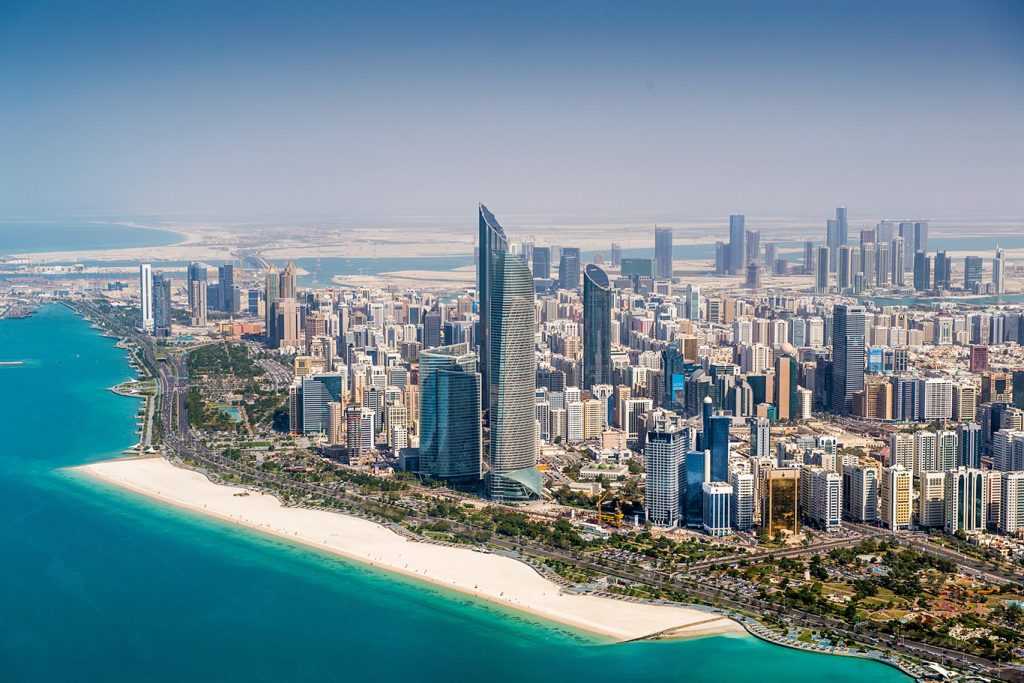

حددت شركة لوتاه للتطوير العقاري 5 توجهات في سوق العقارات في The company focused in its assessment of the variables will be in the implementation of safety measures, preventive sterilization measures and automation. Preferring low-density real estate and harnessing digital transformation for the benefit of the UAE real estate sector.
Focus on safety, sterilization and automation
The focus on safety, sterilization and automation came at the top of the trends mentioned by the CEO of Lootah Real Estate Development Company, Saleh Abdullah Lootah, who confirmed taking a new path in terms of meeting market requirements, which will mainly focus on health and safety in the face of the crisis. He pointed out that the UAE's ranking among the best countries to live in reflected positively on many sectors, especially in the real estate market, which will help the recovery of the sector. The credit for this recovery will go to the UAE, which is the safest country in the world. This will also pave the way for the development of new properties with a distinctive style that harnesses technology in the application of safety measures, sterilization and prevention measures.
Lootah said: «Abu Dhabi and Dubai are the two best cities to live in the Arab world, according to the Economist Intelligence Unit's Global Living Index released in March 2020. This achievement will boost the growth of the real estate sector and accelerate its recovery from the coronavirus crisis.»
Lootah said.
Preference for low-density real estate
Lootah said: "Demand for low-density properties will increase as most investors, buyers and tenants will opt for larger spaces to cope with the new situation in light of the COVID-19 outbreak that has highlighted the operational risks of transmission in high-density properties, where the higher the density, the more likely it is to transmit the disease to others. Therefore, the real estate sector will take a new path in designing real estate space in order to maintain standards that ensure social distancing. In addition, other real estate trends include improving living features, developing properties that meet different needs, and harnessing the potential of digital transformation."
Other real estate trends include improving living features, developing properties that cater to different needs, and harnessing the potential of digital transformation.
Better living benefits
Real estate developers will see the need to evaluate building conditions and provide better infrastructure through continuous improvements. In addition, building layouts will see a major revamp with additional space and designs that support emergencies and enhance various safety aspects, which will add value to potential investors and tenants.
Property developers will see the need to evaluate building conditions and provide better infrastructure through continuous improvements
Properties for every need
As people are now more cautious about health and safety standards due to the spread of the novel coronavirus, developing properties that meet various commercial, residential, and industrial needs in one location will become one of the most desirable properties in the new normal. Therefore, many real estate developers are aiming to build residential projects closer to or including health and commercial centers, supermarkets, and educational institutions.
Many real estate developers are aiming to build residential projects closer to or including health and commercial centers, supermarkets, and educational institutions.
Harnessing the potential of digital transformation
The idea of virtual reality existed in the real estate industry before COVID-19. It allows potential buyers to see a property without having to visit it. Most real estate developers are expected to develop virtual showrooms and employ touch-free sensing technology to develop voice-activated elevators, hands-free light switches, and rooms that can be controlled from a smartphone.
Real estate developers are expected to develop virtual showrooms and employ touch-free sensing technology to develop voice-activated elevators, hands-free light switches, and smartphone-controlled rooms.


