
Residential communities in the Kingdom are undergoing significant development under Vision 2030, which has fostered harmony among the Kingdom’s residents regardless of their social, cultural, and economic backgrounds, as the Vision recognized the importance of eliminating disparities among citizens, starting with residential communities, as well as removing the disparities that previously existed between citizens and expatriates, particularly those of Western nationalities.
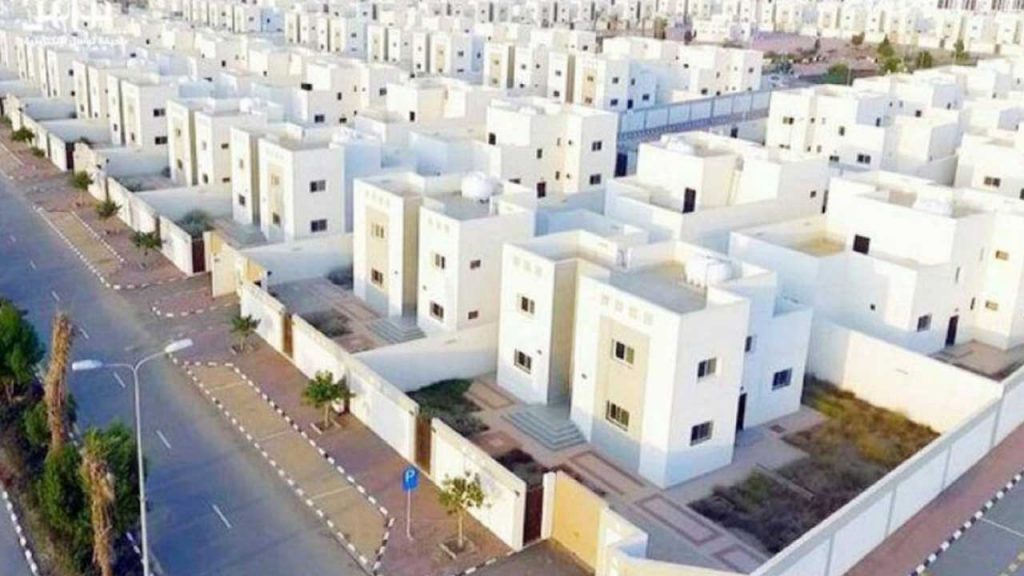
When the Vision set a goal of increasing homeownership rates among citizens to 70% by 2030, it focused solely on increasing housing production, with prices ranging from an apartment starting at 250,000 riyals to a "Future Home," small villas, and large villas costing several million riyals. It placed all these housing options side by side in an effort to eliminate any disparities among Saudi families—regardless of classification—which often result in unacceptable social consequences, the most serious of which is the deepening of disparities between residential communities, which result in some being wealthy and upscale—where residents enjoy a high standard of living—and others being poor and destitute, whose residents engage in crime and break the law.
I recall a time when Saudi Aramco established a self-contained residential community, or what is known as a "gated community," and designated it for its Western employees, thereby isolating them from the rest of the citizens, on the grounds that their behaviors and lifestyles—as well as their appearance—differed from those of the local population. These compounds provided a high standard of living and succeeded in erecting a psychological barrier between citizens and expatriate employees.
I recall another instance, during the reign of King Abdullah bin Abdulaziz—may God have mercy on him—when he ordered the construction of 500,000 housing units and allocated 25 billion riyals for them. At that time, there were initiatives —to build neighborhoods for low-income families, meaning those with small or medium-sized, inexpensive apartments, and other neighborhoods for owners of high-priced villas. While some welcomed this approach, there were many who warned against it, arguing that it would create a significant and dangerous disparity between social classes.
This situation reminds us not to overlook the psychological impact resulting from the structure of residential communities and how they are managed, This impact is particularly powerful, instilling a strong sense among residents of low-income or poor housing complexes that they are outcasts and unwanted, That is why they have been "dumped" in these communities, far from the affluent neighborhoods that enjoy all services, where residents feel they are the center of everyone’s attention and are welcomed wherever they go.
The Vision 2030, in its general housing policy, has eliminated all these disparities and achieved complete equality among everyone in residential communities, ensuring access to the same services and care without discrimination. We need not look far; in the Kingdom, there are older residential neighborhoods that the government and relevant authorities are working to redevelop; soon, they will be transformed into modern neighborhoods offering every means of safety and comfort, along with all necessary services.