
The latest issue of the البنك الدولي، titled “Structural Reforms and Shifts in Social Norms to Increase Women's Labor Force Participation”. The latest economic developments in the Gulf Cooperation Council (GCC) countries, showing that economic diversification efforts in the GCC region are beginning to bear fruit, while the need for further reforms remains.
The number of private sector workers rose
The report showed that the number of workers in the Saudi private sector reached (about 2.3 million workers) and increased by the end of the first half of 2023 by about 153.3 thousand workers compared to the end of the first half of 2022, according to data from the General Organization for Social Insurance, and the participation of Saudi women in the labor force doubled within six years, rising from 17.4% in early 2017 to 35.3% in the second quarter of 2023.The report focused on the rise in the number of workers in the private sector. The report focused on the remarkable rise in the participation of women in the Saudi labor force, noting that since 2017, the Kingdom has witnessed a significant increase in the participation rates of women in the labor force, of all age groups and educational levels, and unemployment rates have decreased while providing job opportunities for Saudi women in various sectors of the economy, noting that this positive development came as a result of an effective reform campaign initiated by Saudi Vision 2030, which contributed significantly to raising the participation of women in the labor force.
This positive development came as a result of an effective reform campaign initiated by Saudi Vision 2030.
GDP growth for non-oil activities
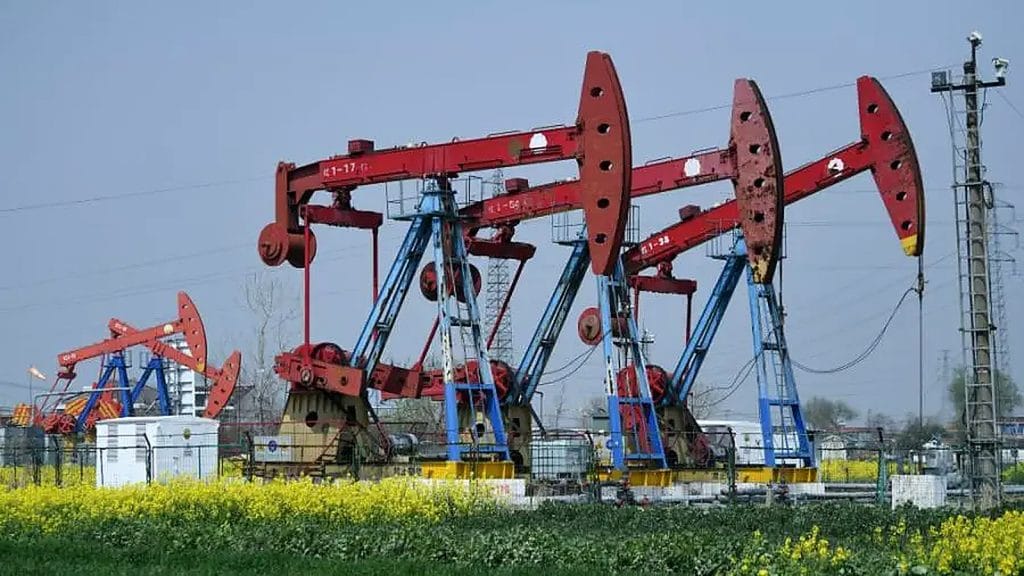
<The World Bank's World Bank report indicated that real GDP growth for 2023 will decline as a result of the Kingdom's commitment to voluntarily cut its oil production, in line with the OPEC+ alliance agreement, which led to a decline in real GDP for oil activities by 1. % in the first half.On the other hand, the report expects that non-oil activities will limit the decline in output for oil activities, as the GDP of non-oil activities is expected to grow by 5.9% for 2023, supported by the Kingdom's continued pursuit of flexible fiscal policies to increase economic growth rates and diversify the economic base by focusing on non-oil activities and empowering the private sector to lead economic growth and implement the programs of Saudi Vision 2030.
The first economist of the report said that the Kingdom's commitment to the voluntary reduction of oil production; in line with the OPEC+ alliance agreement; which led to a decline in real GDP of oil activities by 1.9%. Khalid Al-Hamoud, Senior Economist at the World Bank, said that the Arabian Gulf region has witnessed a remarkable improvement in the performance of non-oil sectors, explaining that economic diversification efforts and the development of non-oil sectors have contributed to the creation of job opportunities in different sectors and geographical areas within the Gulf Cooperation Council countries.
For his part, Khalid Al-Hamoud, Senior Economist at the World Bank, said. <Johannes Koettl, Senior Economist at the World Bank, said: "GCC countries have seen a remarkable increase in women's labor force participation, and Saudi Arabia's achievements in promoting women's empowerment in the labor market within a few years are impressive and offer lessons for the MENA region and the world."
World Bank Senior Economist Johannes Koettl said.