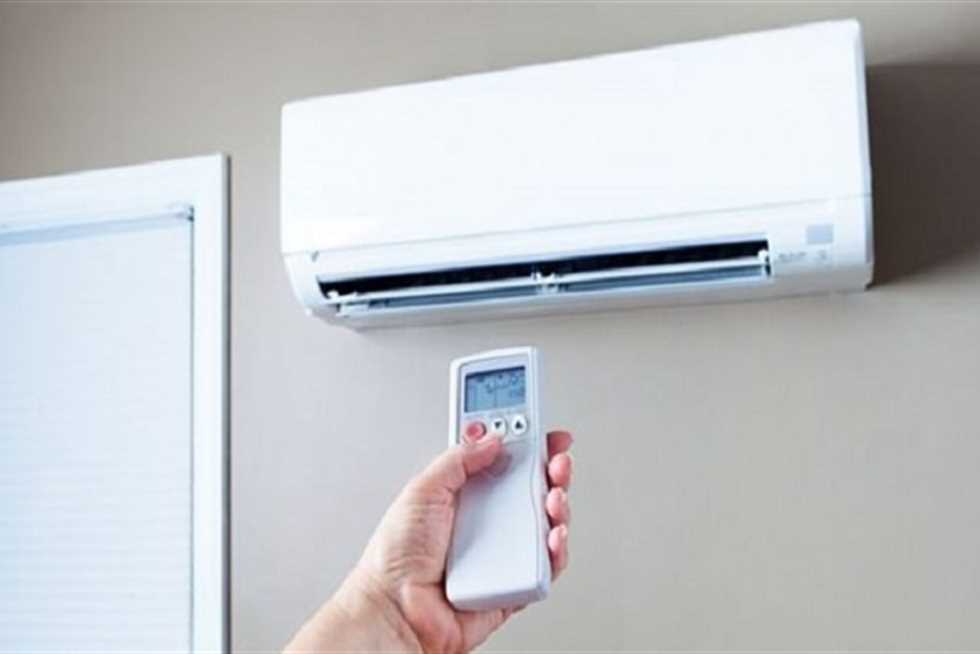

With temperatures soaring in many countries, air conditioning has become a necessity for homes and commercial facilities alike. But with so many types and models available, choosing the right air conditioner can be a difficult task. In this report, we look at the key factors to consider when choosing the right air conditioner for rooms, homes and commercial facilities, to ensure optimal performance and energy and cost savings.
When choosing the right air conditioner for rooms, homes and commercial facilities, it's important to know what to look for.
1. Assess the space and room size
<One of the most important factors to consider when choosing a AC is the size of the room or space to be cooled. The capacity of an air conditioner is measured in BTU (British Thermal Unit), with the need for a larger BTU increasing as the area of the room increases. In general:
- Small rooms (up to 15 square meters): Requires 9,000 - 12,000 BTUs.
- Medium rooms (15-25 square meters): 12,000 - 18,000 BTU.
- Large rooms (up to 25 square meters): 12,000 - 18,000 BTU.
- Large rooms (25-35 square meters): 18,000 - 24,000 BTU.
2. The right type of air conditioner
There are different types of air conditioners, and the most suitable type should be chosen based on the place of use:
- Net Air Conditioning: Suitable for small to medium-sized rooms and easy to install, but can be noisy.
- Split Unit: Best suited for homes and villas, it is characterized by high efficiency and low noise.
- Central air conditioning: Suitable for commercial establishments and large buildings, where air is distributed through special ducts and is characterized by the ability to control temperatures in several zones.
- Central air conditioning.
- Portable AC: Suitable for temporary uses and small spaces that don't have a place to install a traditional air conditioner.
- Inverter Technology: Reduces energy consumption by up to 30-50% compared to conventional appliances.
- Smart Control: Remote control via smartphone apps, allowing for customized temperature adjustment and energy savings.
- Smart Control.
- Air purification: Some appliances come with filters to purify the air from dust and bacteria, enhancing indoor air quality.
3. Energy Efficiency and Savings
<Air conditioners consume a lot of energy, so it's important to choose one with high efficiency. The efficiency of air conditioners is measured by the SEER (Seasonal Energy Efficiency Ratio) or EER (Energy Efficiency Ratio). The higher the number, the more efficient and energy efficient the air conditioner is. It is best to choose appliances with an energy efficiency label or energy star to ensure optimal performance.
4. Additional Features and Latest Technology
Technological development has added a lot of modern features to air conditioners, helping to improve performance and comfort:
5. Calculate the initial cost and operating costs
In addition to the purchase price of the device, operating and maintenance costs must be calculated. High-efficiency appliances may be more expensive to purchase, but they save on your electricity bill in the long run. Maintenance costs and the availability of parts and service in your area should also be considered.
6. Noise Level
Noise level is a critical factor especially in bedrooms and offices. It is preferable to choose low-noise air conditioners to maintain a quiet environment. Some devices have quiet operating modes, making them an ideal choice for places that require quietness.
Some devices have quiet operating modes, making them an ideal choice for places that require quietness.
7. After-sales service and warranty
<Choosing a well-known brand that provides after-sales service, technical support, and a long warranty is a smart move. Ensuring the availability of a network of service centers and spare parts protects your investment and ensures that the device continues to operate efficiently.
8. Environmental Considerations
<Choose environmentally friendly air conditioners that use safe refrigerants such as R410A or R32, which minimize environmental impact. These devices balance performance and efficiency while preserving the environment.
Conclusion
<Choosing the right air conditioner requires a thorough consideration of the factors that affect performance and efficiency, from assessing the space and type to savings and energy efficiency features. It is important to ensure that the device is compatible with the needs of the space and choose the most appropriate technology that provides comfort and minimizes operating costs in the long run.