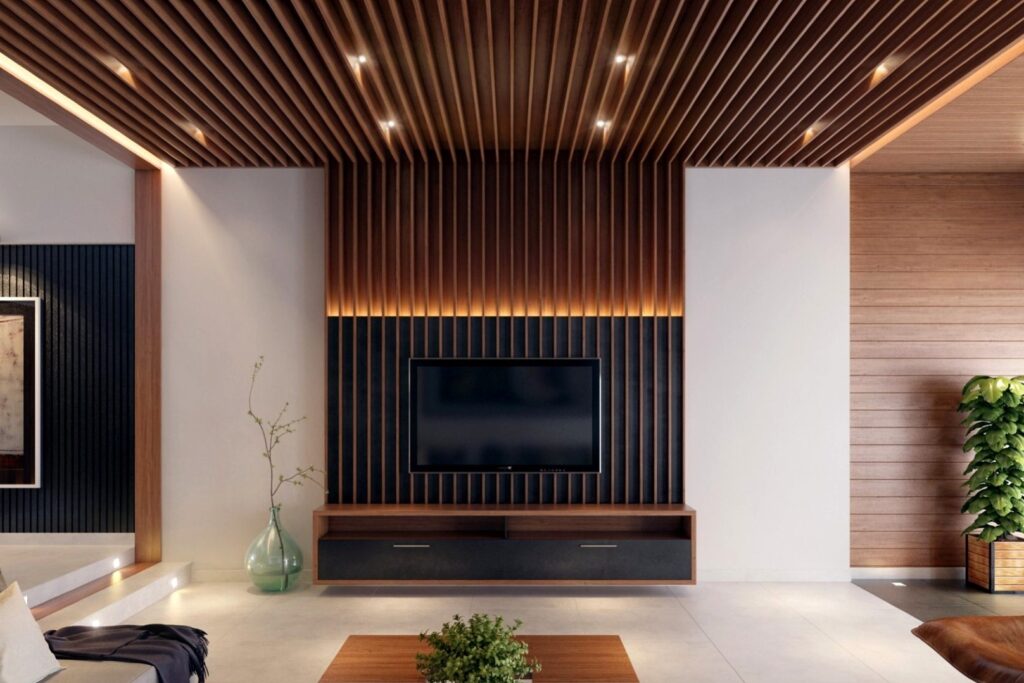

In the world of interior design , walls are no longer just silent surfaces that separate rooms or define spaces. The finishing sector has witnessed a qualitative leap in recent years, driven by technological advancements and changing consumer tastes, transforming the wall of a home or office into an interactive, vibrant element that reflects sustainability, flexibility, and innovation.
From adjustable walls to green plant walls, to enhanced concrete that combines beauty and strength, new trends are emerging that are reshaping the interior landscape of both residential and commercial buildings.
What are the most prominent of these trends? And how have modern materials and technologies contributed to taking wall finishes to a new level of performance, beauty and functionality?
Adjustable walls: design flexibility
One of the most prominent modern trends is adjustable or movable walls , which are systems that allow spaces to be divided or combined according to need, using panels that can be folded, slid, or completely separated.
These walls are widely used in modern offices, smart homes, and mixed-use spaces, and are characterized by the following:
It enhances the use of space.
It supports the concepts of flexible work or dynamic living.
It often relies on lightweight and environmentally friendly materials such as recycled aluminum or composite glass.
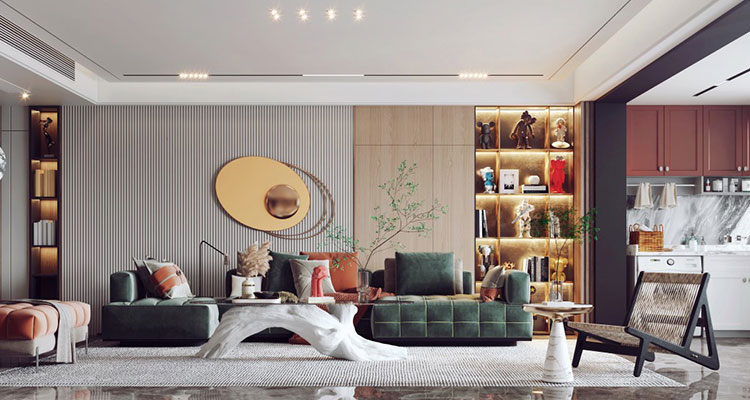
Plant walls: green beauty within spaces
Plant walls, or “green walls,” are defined as interior or exterior walls covered with natural or artificial plants, and fall under the trends of green architecture.
These walls are a favorite choice for architects and interior designers for several reasons:
Improving indoor air quality by absorbing carbon dioxide.
Lower the room temperature thanks to natural cooling.
Adding a unique aesthetic touch that evokes life, tranquility, and relaxation.
The techniques used to construct these walls rely on smart irrigation systems and special installations that ensure the stability and healthy growth of the plants.
Enhanced concrete: Strength meets beauty
Although it was used in the past only for structural construction purposes, improved concrete has become one of the most important elements of wall finishing today thanks to the development of its compositions, casting methods and shaping techniques.
Modern concrete used in finishing includes:
Concrete with integrated colors, which eliminates the need for painting.
Polished or glossy concrete, which gives a luxurious, marble-like appearance.
Ultra-high-performance concrete (UHPC), which provides great durability with a smooth and fine finish.
This material is characterized by the following:
Resistant to moisture and damage.
Environmentally friendly if it is produced with recycled materials.
Interior spaces offer a modern industrial look that suits the tastes of young people and pioneers of modern design.
Smart technology enters the world of walls
In addition to materials, smart technologies have contributed to redefining wall finishes, as walls have become capable of interacting with the user via:
Built-in lighting that changes according to mood.
Touchable or display surfaces that display moving images or light graphics.
Smart sound and heat insulation systems control the degree of indoor comfort.
Towards a sustainable and dedicated future
These modern trends not only reflect the development of materials and technologies, but also embody a global trend towards:
Environmental sustainability through the use of environmentally friendly materials.
High degree of customization to meet the diverse tastes of users.
Focus on mental and physical health through natural elements such as plants, light, and ventilation.
Wall finishes are undergoing a true revolution, moving from being purely functional elements to integrated design tools that blend beauty, technology, and sustainability. With the introduction of new materials such as modular walls, green walls, and improved concrete to the design landscape, consumers and designers alike now have unprecedented scope for creativity and customization.
In the coming years, smart and interactive walls may become the norm, not the exception, in our homes and offices, in a transformation that brings with it great opportunities and renewed inspiration for all those who put their touches on interior spaces.