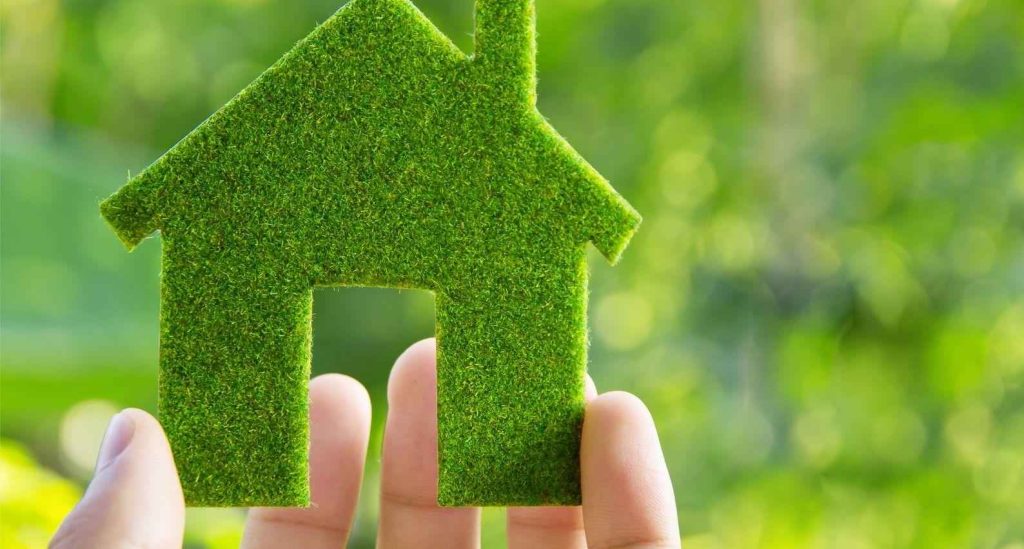

As environmental challenges and climate change increase, the world has set its sights on one of the largest contributors to carbon emissions, the construction industry. With rising environmental awareness and legislation supporting sustainable development, the building materials sector is undergoing a radical shift towards eco-friendly alternatives that are paving the way for a green revolution in the world of construction. Are we on the verge of a radical change in the way cities are built?
What are eco-friendly building materials?
Environmentally friendly building materials
include any product used in construction that has characteristics that minimize its environmental impact throughout its life cycle, from manufacturing to demolition. These materials include: Green Concrete
<Green concrete: Contains recycled ingredients or alternatives to traditional cement.
Green Concrete.
Sustainable wood: Such as wood grown from certified renewable forests.
<Bricks made from compacted soil or natural clay.
Solar panels integrated into the design of facades and roofs.
Solar panels integrated into the design of facades and roofs.
Natural thermal insulators: Such as rock wool or hemp fiber.
Natural thermal insulation.
What is driving the market towards this revolution?
Government legislation and environmental regulations:
Many governments impose strict environmental regulations that limit the use of high-emission materials and encourage developers to use environmentally friendly alternatives.
Rising demand for green buildings:
Today's consumers are more aware of the environmental impact of their homes and offices, driving them to choose sustainable real estate.
Low operating cost.
Low operational cost:
Buildings built with eco-friendly materials usually consume less energy and save on cooling and heating bills.
Environmentally responsible financing and investment:
Many investors and funds will not finance projects that are not compliant with environmental standards, prompting developers to adopt this approach.
Global market size.
Global market size for eco-friendly building materials:
The latest studies indicate that the market for eco-friendly building materials is growing rapidly, driven by government policies, investor pressure, and growing consumer demand for sustainable buildings. According to international research reports:
The eco-friendly building materials market size was approximately $316 billion in 2023.
The eco-friendly building materials market size is expected to increase to approximately $316 billion in 2023.
This figure is expected to rise to $610 billion by 2030, with a CAGR of more than 10%.
North America and Europe are leading the way.
North America and Europe are leading this growth, but Asia-Pacific is seeing a clear acceleration in the adoption of these materials, driven by rapid industrial transformation and environmental pressures.
Asia-Pacific is seeing a clear acceleration in the adoption of these materials, driven by rapid industrialization and environmental pressures.
Opportunities and challenges of going green:
✅ Opportunities:
Reduce long-term costs for the consumer and developer.
Enhance the environmental reputation of developers.
Create new markets and opportunities
Create new markets and business opportunities in the manufacturing and commercialization of green materials.
❌ Challenges:
Higher costs of green materials compared to traditional materials in the short term.
<Lack of awareness in some developing markets.
Market need for more technicians and engineers specialized in sustainable design.
Global initiatives supporting green building materials:
The Paris Climate Agreement has set emissions reduction targets that require a major shift in industrial sectors, most notably construction.
Programs such as LEED
Programs such as LEED and BREEAM certify buildings that use sustainable materials and maintain energy efficiency.
What about the Arab region?
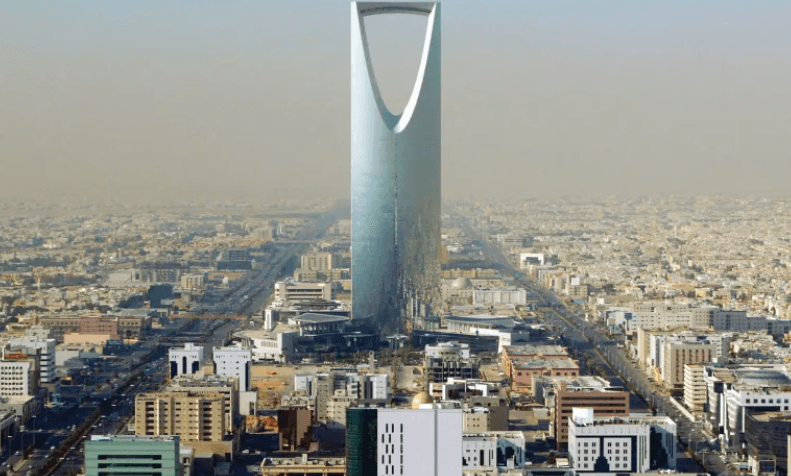
Gulf countries, led by Saudi Arabia and the UAE, are witnessing a clear trend towards green building as part of the National Transformation Vision and Vision 2030. Smart city projects such as NEOM rely on the use of mainly eco-friendly materials, which opens a wide door for local and regional manufacturers and suppliers.
To conclude, Gulf countries, led by Saudi Arabia and the UAE, are witnessing a clear trend towards green construction as part of the National Transformation Vision and Vision 2030.
<In conclusion, the shift towards environmentally friendly building materials is no longer a recreational option, but rather an economic and environmental necessity imposed by the developments of the times and the challenges of climate change. With a rapidly growing global market and increasing regulatory support, the green revolution in the construction sector is closer than ever. The question is no longer "if", but "when and how" will markets shift towards a sustainable future?
Government legislation and environmental regulations:
Many governments impose strict environmental regulations that limit the use of high-emission materials and encourage developers to use environmentally friendly alternatives.
Rising demand for green buildings:
Today's consumers are more aware of the environmental impact of their homes and offices, driving them to choose sustainable real estate.
Low operating cost.
Low operational cost:
Buildings built with eco-friendly materials usually consume less energy and save on cooling and heating bills.
Environmentally responsible financing and investment:
Many investors and funds will not finance projects that are not compliant with environmental standards, prompting developers to adopt this approach.
Global market size.
Global market size for eco-friendly building materials:
The latest studies indicate that the market for eco-friendly building materials is growing rapidly, driven by government policies, investor pressure, and growing consumer demand for sustainable buildings. According to international research reports:
The eco-friendly building materials market size was approximately $316 billion in 2023.
The eco-friendly building materials market size is expected to increase to approximately $316 billion in 2023.
This figure is expected to rise to $610 billion by 2030, with a CAGR of more than 10%.
North America and Europe are leading the way.
North America and Europe are leading this growth, but Asia-Pacific is seeing a clear acceleration in the adoption of these materials, driven by rapid industrial transformation and environmental pressures.
Asia-Pacific is seeing a clear acceleration in the adoption of these materials, driven by rapid industrialization and environmental pressures.
Opportunities and challenges of going green:
✅ Opportunities:
Reduce long-term costs for the consumer and developer.
Enhance the environmental reputation of developers.
Create new markets and opportunities Create new markets and business opportunities in the manufacturing and commercialization of green materials.
❌ Challenges:
Higher costs of green materials compared to traditional materials in the short term.
<Lack of awareness in some developing markets.
Market need for more technicians and engineers specialized in sustainable design.
Global initiatives supporting green building materials:
The Paris Climate Agreement has set emissions reduction targets that require a major shift in industrial sectors, most notably construction.
Programs such as LEED Programs such as LEED and BREEAM certify buildings that use sustainable materials and maintain energy efficiency.