
أعادت حرفة البناء بالحجر واستخدام جذوع النخل والسعف الآبار القديمة إلى الواجهة مجددًا في منطقة الجوف، إذ جسّد مواطن تفاصيل الآبار القديمة التي كان يعتمد عليها الأهالي في مصدر المياه الرئيس في حياتهم اليومية، معتمدًا على عناصر في البناء من بيئته المحيطة ودون تكاليف مالية.
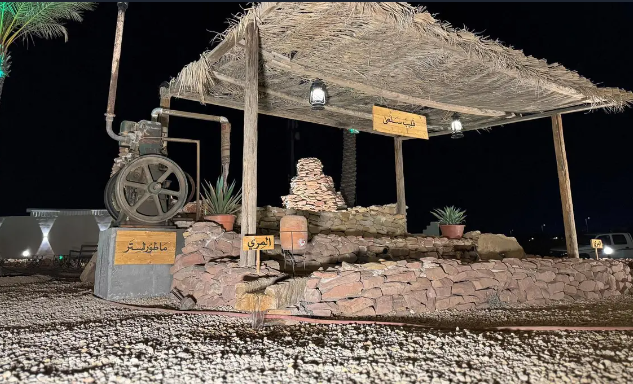
ويبرز من ضمن الآبار “قليب سلمى” الذي بُني لتعريف الأجيال بطريقة الأهالي في استخراج المياه، ومواجهة ظروف الحياة قديمًا بتأمين مياه الشرب وسقاية المزارع القديمة.
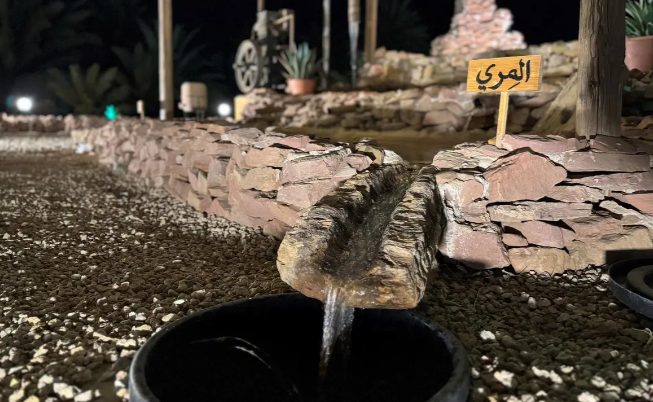
وفي حديثه مع وكالة الأنباء السعودية “واس”، أوضح المهتم في الموروث الشعبي أحمد العرفج أن مكونات بناء البئر تمت باستخدام الأحجار الرملية وجذوع النخيل والسعف، إذ يتكون من “المري” وهي القناة التي توزع المياه على جانبي البئر، و”المقام” الذي يمثل الحوض لتجميع المياه بعد استخراجها من البئر، و”الخرزة” التي كانت عبارة عن حجر دائري يتم فيه التحكم بقنوات المياه وإغلاقها في حال عدم الحاجة، إضافةً إلى الأدوات الرئيسة في فوهة البئر، وتتمثل في الرشاء والمحالة التي من خلالها يُتَحَكَّم بحبل الدلو الذي ينزل إلى قاع البئر وبه تستخرج المياه.
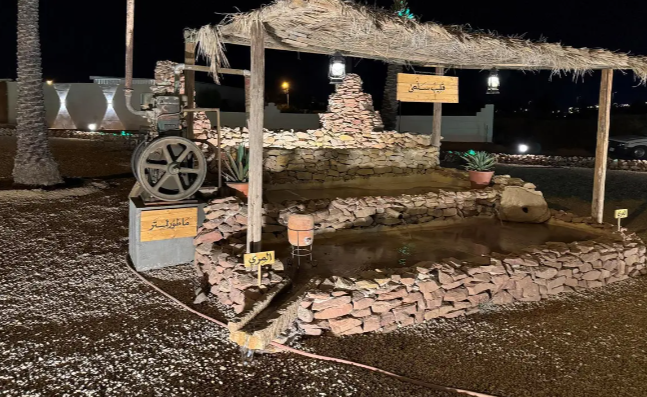
وبين أن الأهالي قديمًا اعتمدوا على الآبار في استخراج المياه عبر استخدام الماشية مثل الجمال والأبقار بما يسمى “السني” وهي عملية سحب المياه عبر الحبال من خلال الدواب لرفعها إلى فوهة البئر، وصولًا إلى استخدام المولدات التي بدأت تظهر في الثمانينات الميلادية، وأسهمت في استخراج المياه بشكل آلي.
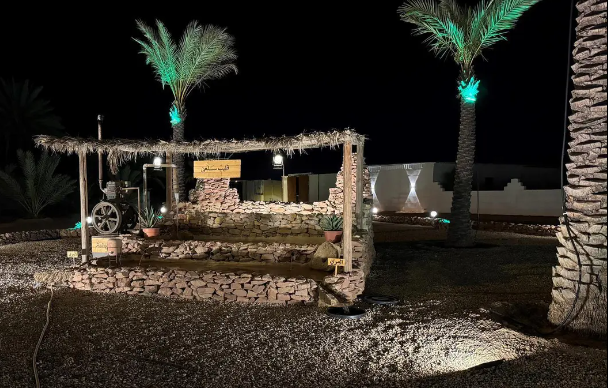
ويقف بئر سلمى في حي اللقايط بمدينة سكاكا رمزًا من رموز التراث الاجتماعي في منطقة الجوف، ويحظى يوميًّا بزيارات من مختلف الجنسيات؛ للتعرف على الآبار القديمة ومعاينتها بشكل واقعي.