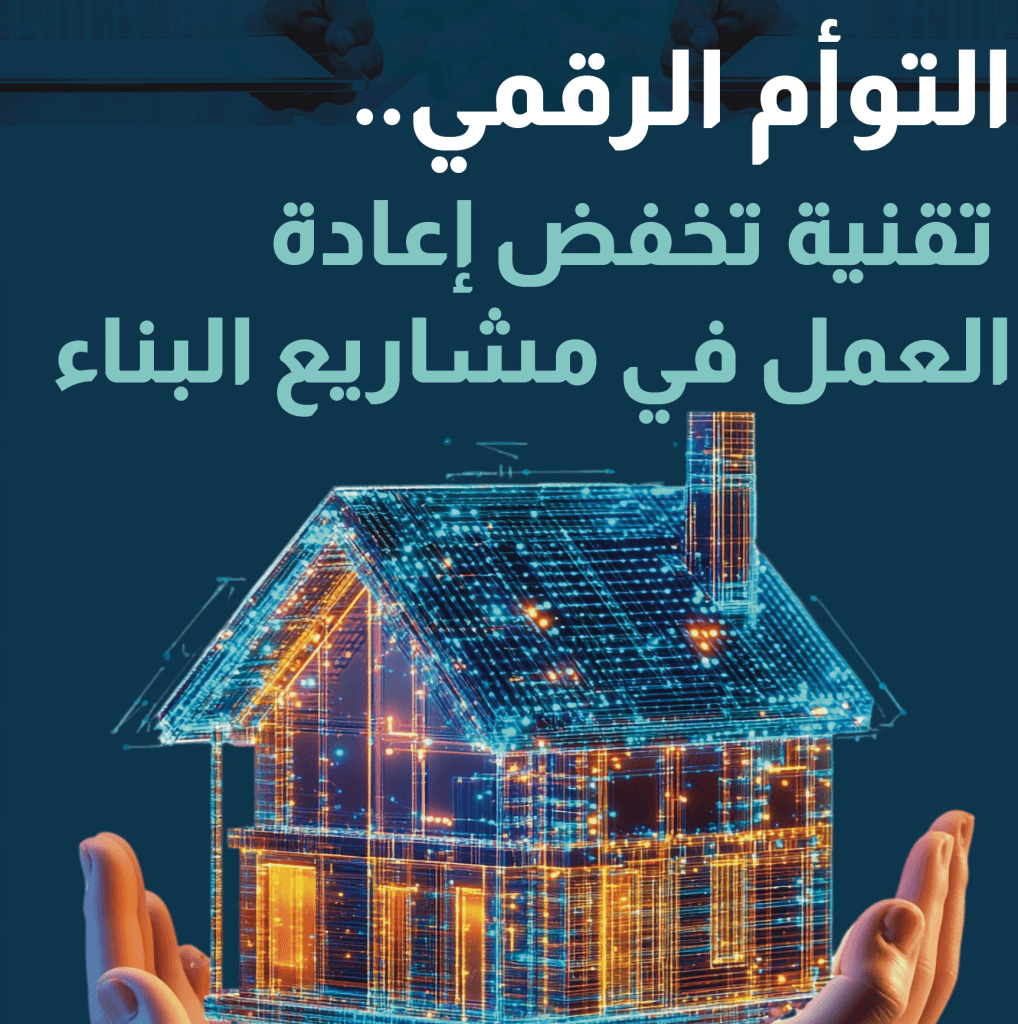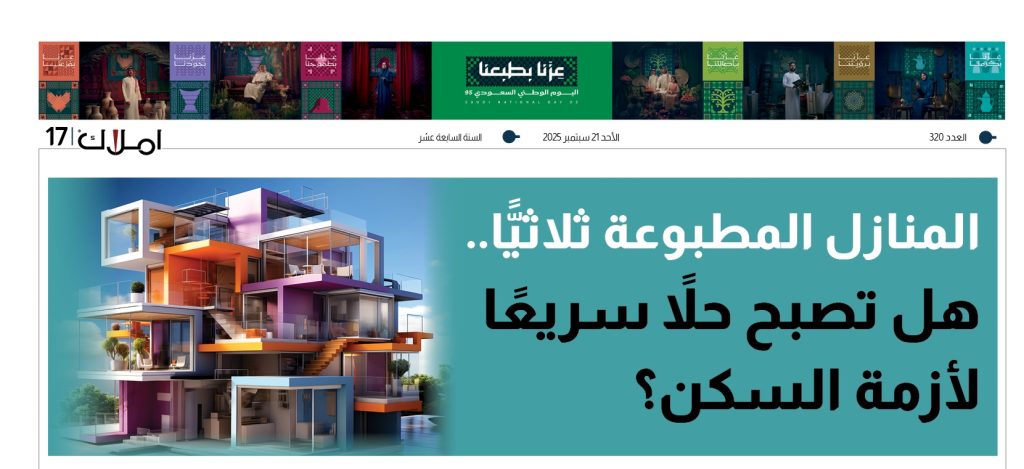

في ظل تفاقم أزمة السكن في مدن العالم وارتفاع تكاليف البناء والمواد واليد العاملة، برزت تقنية الطباعة ثلاثية الأبعاد للمنشآت السكنية كوعود جريئة — تبني منزلًا خلال أيام، بتكلفة أقل، ونفايات بنائية أقل، وتصاميم لا تقيدها القوالب التقليدية. لكنها ليست وصفة سحرية: السوق ناشئ، والمشروعات الرائدة تظل تجارب واعدة تواجه عقبات تقنية وقانونية وتجارية قبل أن تصبح حلًا واسع النطاق.
في هذا التقرير نعرض خلفية التقنية، حجم السوق العالمي، مزاياها العملية والبيئية، ثم نتناول التحديات الرئيسية وأخيرا خريطة طريق قابلة للتطبيق لصناع القرار والمستثمرين.
ما هي هذه المنازل؟
الطباعة الإنشائية ثلاثية الأبعاد تعني استخدام روبوتات أو طابعات كبيرة «تخرج» مواد بناء — غالبًا خلطات خرسانية متخصصة أو مواد مركبة — لبناء جدران ووحدات هيكلية طبقة بطبقة وفق تصاميم رقمية، بعض الشركات تطبع المبنى كاملًا في الموقع، وأخرى تنتج وحدات مسبقة الصنع تُركب لاحقًا؛ وهناك مشاريع تستخدم مواد محلية (طين، خليط إسمنتي مُحسّن) لخفض البصمة الكربونية، أمثلة رائدة على أرض الواقع موجودة في مشاريع لشركات مثل ICON وApis Cor وغيرها التي طورت طابعات لبناء منازل أو أحياء كاملة.
حجم السوق العالمي
تقديرات السوق تختلف بين المراجع لكن الإجماع يشير إلى نمو سريع من قاعدة صغيرة. تقريرات بحثية تقدّر السوق العالمية للمنازل المطبوعة بالمئات من ملايين الدولارات اليوم مع توقعات نمو سنوي مرتفع خلال العقد القادم — إذ رجّحت تقارير نموًا سنويًا مركبًا قويًا وأن يصل السوق إلى مئات الملايين وحتى مليارات بنهاية العقد حسب السيناريو. إحدى مؤسسات الأبحاث قدرت السوق بنحو 53.9 مليون دولار في 2024 وتتوقع زيادات كبيرة في 2025، بينما تقارير أخرى تتوقع وصولًا أسرع وأكثر طموحًا خلال 2030–2035 مع معدلات نمو سنوية عالية. هذه الأرقام تعبّر عن سوق ناشئ يتسارع لكنه لا يزال يشكل نسبة ضئيلة من سوق البناء التقليدي.
مزايا المنازل المطبوعة
- السرعة: الطباعة الإنشائية تقلص وقت تنفيذ الجدران والهيكل إلى أيام أو أسابيع بدلًا من أسابيع أو أشهر في الطرق التقليدية، مما يسمح بالإنتاج السريع لوحدات سكنية.
- خفض التكاليف: التقنية تقلل الحاجة لعمالة كثيفة ومهارات حرفية تقليدية، وتخفض تكاليف التشغيل بالمقارنة مع البناء التقليدي في حالات عديدة.
- تقليل النفايات وبصمة كربون نسبية: الطباعة الطبقية تنتج هدرًا ماديًا أقل، وهناك أبحاث تركز على خلطات أقل انبعاثًا للـ CO₂ أو استخدام مواد محلية/عضوية. هذا يجعلها ملائمة لبرامج الإسكان المستدام وإعادة الإعمار بعد الكوارث.
- إمكانية التصميم الحر: منحنيات وأسقف قوسية وتصاميم معمارية معقدة تصبح أسهل وأرخص نسبيًا بالطباعة مقارنة بالطرق التقليدية.
- أمان وبيئة عمل أفضل: الاعتماد على روبوتات يقلل تعرض العمال لمخاطر الارتفاعات أو بيئات العمل القاسية.