
Many households and contractors wonder when constructing or renovating homes and buildings: What is the best option for covering the roofs of buildings? Traditional tiles or modern ceramic tiles? This question is no longer just a matter of taste, but has a direct impact on durability, weather resistance, and maintenance costs. In this report, we present a comprehensive comparison of the two options to help you make the best decision.
Weather resistance and durability
Traditional tiles are known for their long-lasting durability, but they tend to absorb water easily, making them prone to cracks in extremely cold weather or heavy rains. In contrast, ceramic comes with higher water and heat resistance, making it more suitable for exposed surfaces and areas with harsh weather. Ceramic also reduces the likelihood of slipping when choosing decorative or textured varieties, making it a safe choice for families.
Ceramic tiles are also less likely to slip.
Aesthetics and Design
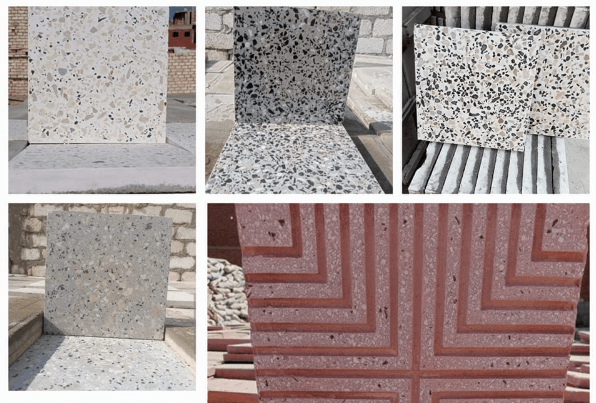
In terms of appearance, traditional tiles have a natural texture and earthy colors that give surfaces a warm, classic feel, while ceramics offer a wider choice of colors, patterns, and modern designs, allowing for a better fit with modern building décor. Also, ceramic tiles maintain their appearance for many years without changing colors or fading patterns, unlike tiles that may lose their luster over time.
Maintenance and Cost
In terms of maintenance, traditional tiles require regular care to prevent moisture buildup and cracks, and may need frequent repairs if exposed to extreme weather conditions. Ceramic tiles are easy to clean and low-maintenance, making them a practical choice in the long run despite their higher initial cost compared to traditional tiles.
Ceramic tiles are easy to clean and low-maintenance, making them a practical choice in the long run.
The best choice for
There is no one-size-fits-all option, the choice of tile or ceramic depends on several factors: The project budget, the weather in the area, and the aesthetics the owner wants to achieve. But in general, ceramic seems to be the most balanced option between durability, weather resistance, and ease of maintenance, while tile is still suitable for those looking for classic style at a lower cost.
There is no one-size-fits-all option.