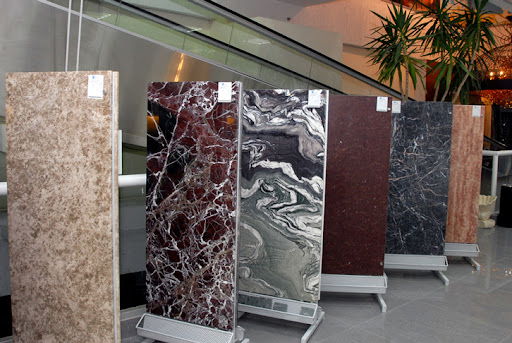

marble one of the most renowned and luxurious natural materials in the world of building finishes. It is distinguished by its aesthetic appeal and versatility, making it a preferred choice for designers and engineers alike. Since ancient times, marble has been associated with luxury and sophistication. It has been used in palaces and temples, and even today in modern homes and mansions, remaining a symbol of elegance that combines natural beauty with practical durability.
Uses of Marble
Marble has numerous uses within buildings, where interior and exterior flooring are among its most prominent applications, as it gives living rooms, hallways, and the main entrance of a building an elegant, naturally cool appearance that keeps feet comfortable.
It is also used for wall cladding, especially in lobbies and luxury hotels, to add a touch of high-end artistry. Its importance is also evident in kitchens and bathrooms, where its resistance to moisture and heat allows it to be used for kitchen countertops or bathroom sinks, while maintaining its glossy appearance and long-lasting durability. But that’s not all—marble is also used for staircases and columns, as well as tables, chairs, and interior decor, enhancing the architectural structure and adding a touch of luxury to both public and private spaces.
Types of Marble
There are a number of well-known types of marble, each differing in color, pattern, and technical characteristics. Italian Carrara marble is characterized by its white color and fine gray veins; it is ideal for interior floors and walls and reflects light to make spaces appear more spacious. In contrast, Spanish and Turkish Imperador marble adds a warm, luxurious touch thanks to its brown color and golden or white veins, and is particularly well-suited for kitchens and bathrooms.
Rosa Burgundy marble, with its pink hue and light white veins, creates a romantic and serene atmosphere and is often used in bedrooms and upscale living rooms. For a modern look, black marble or basalt conveys a sense of strength and luxury and is used for kitchen countertops and tables. Jordan White marble, on the other hand, is characterized by its pure surface and simple veining, making it suitable for floors, walls, and exterior facades, and lending the space a radiant and timeless elegance.
Advantages of Marble
All types of marble are known for their durability and ability to withstand heavy use and scratches, as well as their ease of cleaning and maintenance, making them a long-term investment. In addition, the use of marble enhances a property’s value and lends it a luxurious character that is highly appreciated by both residents and visitors alike. Given this wide variety, choosing the ideal marble depends on several factors, most notably the intended use, harmony with the interior design colors, the durability of the type for kitchens and bathrooms, and the balance between luxury and cost. as some types are well-suited for small spaces, while others add unparalleled elegance to large areas.
Ultimately, marble remains an exceptional material that combines art, nature, and practical durability, making it an ideal choice for anyone seeking to give their indoor and outdoor spaces a touch of enduring luxury that blends tradition and modernity at the same time.
Tips for Choosing the Perfect Marble for Homes and Offices
Choosing the right marble for indoor and outdoor spaces requires considering several factors to ensure lasting beauty and practical luxury. Here are the top tips:
Determine the Intended Use:
Before purchasing marble, it is essential to determine where it will be used. In homes, the choice varies between floors, walls, kitchens, or bathrooms. In office buildings, marble is best suited for floors, walls, lobbies, and entryways, where it reflects elegance and sophistication and makes a strong first impression on visitors.
Consider durability and moisture resistance:
It is recommended to choose strong, scratch- and impact-resistant types of marble in high-traffic areas such as hallways or open-plan offices, while you can focus on aesthetic appeal in less-used areas. In kitchens and bathrooms, choose marble that is resistant to moisture and heat.
Choosing the Right Color and Pattern:
Color greatly influences the perception of space and the overall atmosphere. Light colors, such as white or cream marble, create a sense of spaciousness and purity, while dark colors, such as black or brown, convey a sense of luxury and professionalism, making them more suitable for offices and businesses.
Matching Marble with Interior Design:
Marble should harmonize with the colors of the walls, furniture, and other decorative elements. In homes, marble with distinct veining can be chosen to add an artistic touch, whereas in executive offices, marble with a simple, refined pattern is often preferred to reflect professionalism.
Ensuring Quality and Thickness:
High-quality marble is more resistant to cracks and scratches, while the thickness of the slabs affects durability and lifespan. The ideal thickness for floors is usually between 2–3 cm, while 1–2 cm is sufficient for walls.
Budget and Cost:
It is important to set a clear budget before choosing marble, as some luxury varieties, such as Italian Carrara marble or Imperador, can be very expensive, while local or lesser-known varieties offer a good combination of beauty and durability at a lower cost.
Take Advantage of Samples and Swatches:
Before proceeding, it is advisable to view marble samples in the natural lighting of the space, as light can alter the appearance of color and veining, ensuring the marble complements the intended area.