
The Saudi real estate market continued to show varying levels of activity during the third quarter of 2026, with continued demand for office space and the logistics sector, while the residential market entered a quieter phase in terms of transactions and prices in some areas, according to a recent market review by CBRE that addressed the performance of the main real estate sectors in the Kingdom.
According to the report, the indicators reflect a market that does not move at a single pace, but rather in which growth opportunities and operational pressures vary between offices, housing, retail, hospitality, industry and logistics, in light of continued investments related to development projects and the expansion of economic activities.
Riyadh leads the office market performance with rising occupancy.
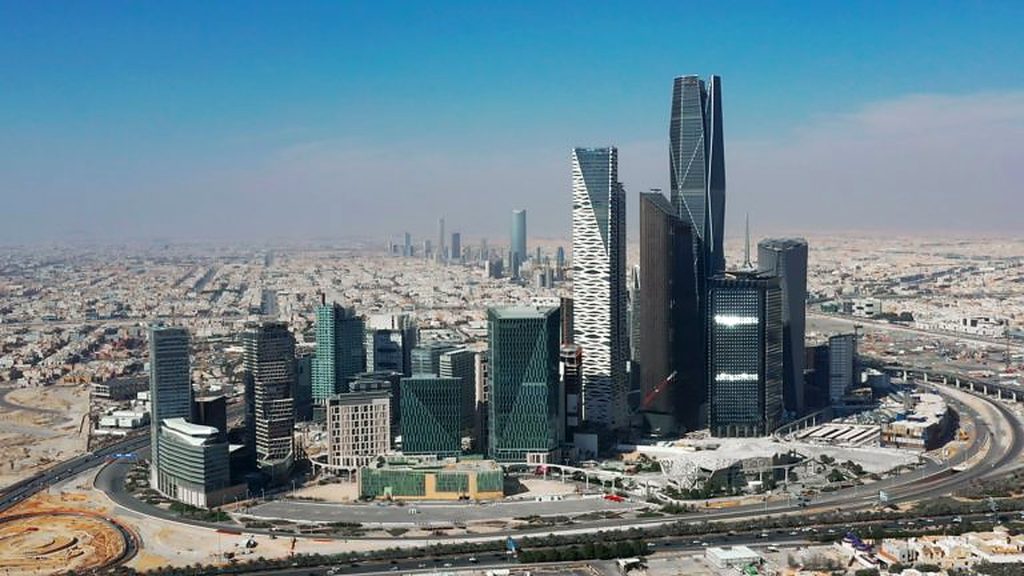
The Riyadh office market continued to record high occupancy levels, with Class A office occupancy reaching approximately 97% during the third quarter of the year, while occupancy in the King Abdullah Financial District (KAFD) approached 99%, indicating continued pressure on the high-quality supply in the capital.
According to the report's data, premium office rents increased by 3% year-on-year to reach 3,320 riyals per square meter annually, while the average rent for Class A offices reached approximately 2,570 riyals per square meter annually, with the total office space in Riyadh exceeding 6.3 million square meters.
The market is expected to receive approximately 1.7 million additional square meters of office space during the period extending to 2028, which may add new options for tenants and gradually reshape the relationship between supply and demand levels, especially in key commercial areas.
The residential market is declining across the Kingdom, but Riyadh is bucking the trend.
On the residential side, indicators showed a decline in the value of real estate transactions by 8% on an annual basis, and a decrease in the volume of deals by 7%, in conjunction with a decline in the average price of apartments across the Kingdom by 3.6%, in a move that reflects a calmer phase compared to previous periods of activity.
However, Riyadh’s performance differed from the national trend, as apartment prices rose by 2.3% on an annual basis, while rents varied between neighborhoods, with an increase of 5% in Al Sulaimaniyah, and 4% in both Al Naseem Al Gharbi and Al Yarmouk, which highlights the continued difference in demand levels according to location and type of real estate product.
Logistics and industry: Rents grow as demand expands
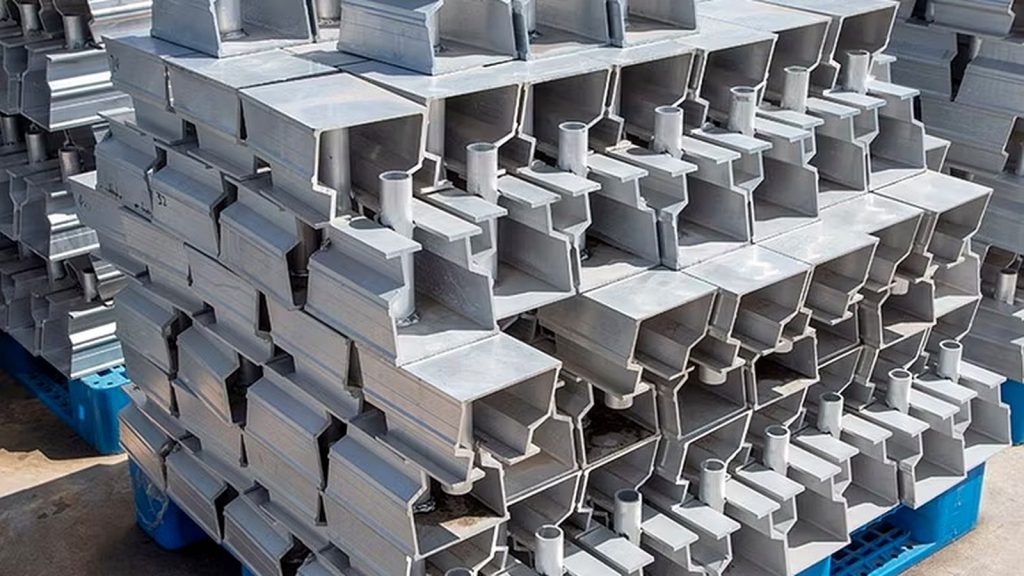
The industrial and logistics sector recorded a remarkable performance during the period, with rents in South Jeddah increasing by 16.7% year-on-year to reach 217 riyals per square meter annually, while in East Riyadh they increased by 15.1% to reach 313 riyals per square meter annually.
The growth in rents in these areas reflects the continued demand for sites linked to supply, distribution and storage chains, in light of the expansion of business activity, the development of transport and logistics infrastructure, and the increasing need for modern storage spaces that meet the requirements of companies.
This performance places the logistics sector among the sectors that benefit from economic transformations and the expansion of commercial and industrial activities, especially with the growing importance of locations close to distribution centers, ports, industrial zones and transport hubs.
Retailers benefit from consumer spending
In the retail sector, activity continued, supported by improved consumer spending, with point-of-sale spending increasing by 3.5% to reach SAR 13.37 billion during a weekly monitoring period in September 2026, with the hotels, entertainment, restaurants and cafes sectors recording positive performance.
These indicators support the demand for commercial spaces, especially locations associated with entertainment experiences, services and daily activities, at a time when retail projects are moving towards developing models that combine shopping, entertainment, restaurants and services, which enhances the ability of shopping centers to attract visitors and improve occupancy rates.
Hospitality: Between expanding supply and changing demand patterns
As for the hospitality sector, performance indicators vary between regions and activities, with the continued expansion of hotel projects and development of tourist destinations, in contrast to changes in demand for travel, events and business.
Major tourism and hotel projects continue to attract investments, while the size of future supply and the timing of project delivery, along with tourism and commercial demand levels, are key factors in determining the operational performance of hotels in the coming period.
In this context, the Diriyah project witnessed the awarding of contracts worth 2.73 billion riyals, which include the development of hotel and residential projects, including 6 luxury hotels, which reflects the continued implementation of projects related to major tourist and cultural destinations.
Read also: