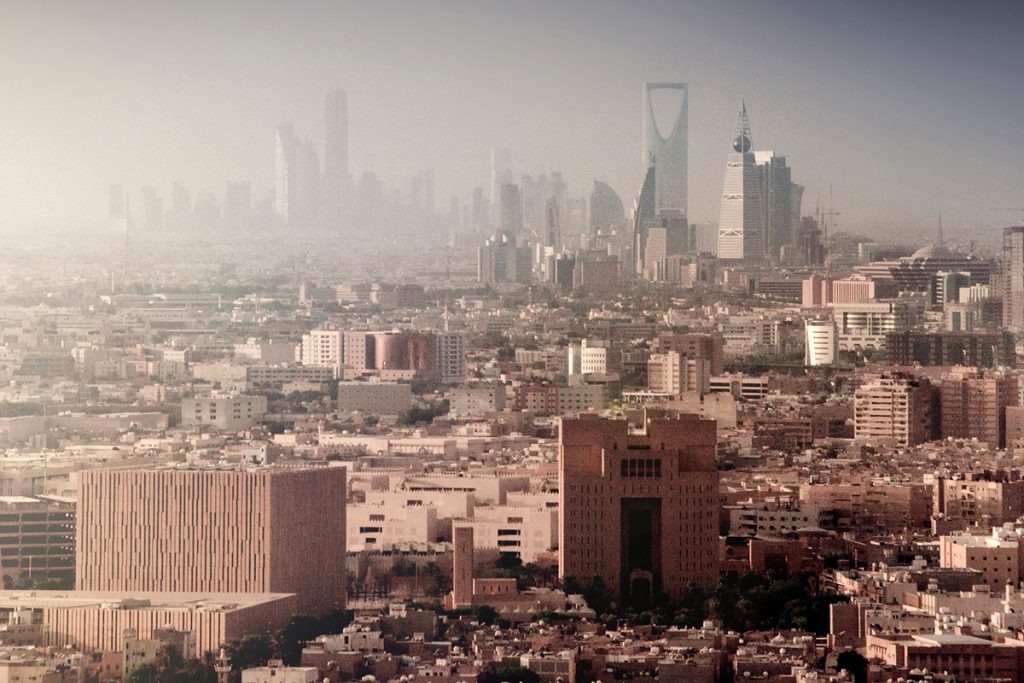

The Kingdom interacted yesterday with World Cities Day, which falls on October 31st of each year, with a package of real achievements for Saudi cities. Riyadh ranked third among the capitals of the G20 and the G30 globally, according to the IMD Smart Cities Index for 2021, jumping 23 places from last year, achieving remarkable and qualitative progress, and surpassing ancient cities such as Los Angeles, Madrid, Hong Kong and Paris. Madinah was also included in the index as the second Saudi city after Riyadh, ranking 73rd globally and fourth in the Arab world, thus ahead of ancient historical cities.
This remarkable progress achieved by the city of Riyadh is the second largest progress among the G20 countries after the South Korean capital, Seoul, and the third largest progress globally, as a result of the significant improvements witnessed by the Kingdom's capital in 34 indicators across all fields. These leaps were achieved in the field of digital transformation, data and artificial intelligence in the cities of Riyadh and Madinah, in order to achieve the well-being of residents and visitors by adopting the latest technologies and digital solutions, in addition to the speed and flexibility in processing digital government transactions and digital identity services, the ease of starting new businesses and reducing waiting times, in addition to the contribution of government applications and platforms to the ease of access to information and completion of transactions, and the major role they played in raising health and safety indicators, specifically during the emerging coronavirus pandemic “COVID-19”.
This achievement also confirms the concerted efforts of the state sectors in providing advanced infrastructure, smart applications, and implementing development projects to make Riyadh and Madinah smart cities that provide their residents and visitors with a high level of well-being and quality of life. According to its scientific concept, smart cities contribute to the development of many key sectors, such as the smart transportation sector through trip planning software and public transport booking systems, and the smart economy built on advanced software that contributes to the development of many sectors such as supply, delivery, and shared support services, in addition to building interactive platforms with the public to identify their needs and aspirations and interact with them transparently, placing them at the center of the state’s attention, in addition to developing and facilitating access to services for citizens.
IMD Smart Cities Index
The IMD Smart Cities Index focuses on how residents perceive the scope and impact of efforts to make their cities smart, the extent to which economic and technological aspects are balanced without neglecting human dimensions, and the extent to which the gap between residents' aspirations and needs and political orientations in the way smart cities are built is bridged. Smart cities, according to their scientific concept, contribute to the development of many key sectors, such as the smart transportation sector through trip planning software and public transport booking systems, and the smart economy built on advanced software that contributes to the development of many sectors such as supply, delivery and shared support services, in addition to building interactive platforms with the public to identify their needs and aspirations and interact with them transparently, placing them at the center of the state's attention, as well as developing and facilitating access to services for citizens.
Smart cities network
Crown Prince Mohammed bin Salman, Chairman of the Board of Directors of NEOM, promised to build a network of smart cities that will have no cars or roads. This network of smart cities is called The Line, due to its organization of highly connected future communities. The Line is part of NEOM, a $500 billion project that was announced in October 2017.
According to previous statements by His Royal Highness the Crown Prince, the project provides ultra-fast transportation solutions, facilitating mobility, along with self-driving vehicles, and urban planning that ensures that essential facilities, such as schools and medical clinics, are no more than a five-minute walk away. One million people are expected to live within The Line city, which spans 170 kilometers and is powered by 100% of clean energy.
The city is designed with a focus on nature, featuring a pedestrian-friendly surface layer and two additional layers for infrastructure and transportation hidden beneath it. Furthermore, planners claim that artificial intelligence will be able to monitor the city and use data and predictive models to discover ways to improve daily life. This city, one of the world's most complex and challenging infrastructure projects, is slated to begin construction this quarter and forms part of Saudi Arabia's Vision 2030, a project designed to create 380,000 jobs and contribute 180 billion Saudi riyals ($48 billion) to the GDP by 2030.
Articles
09/11/2026
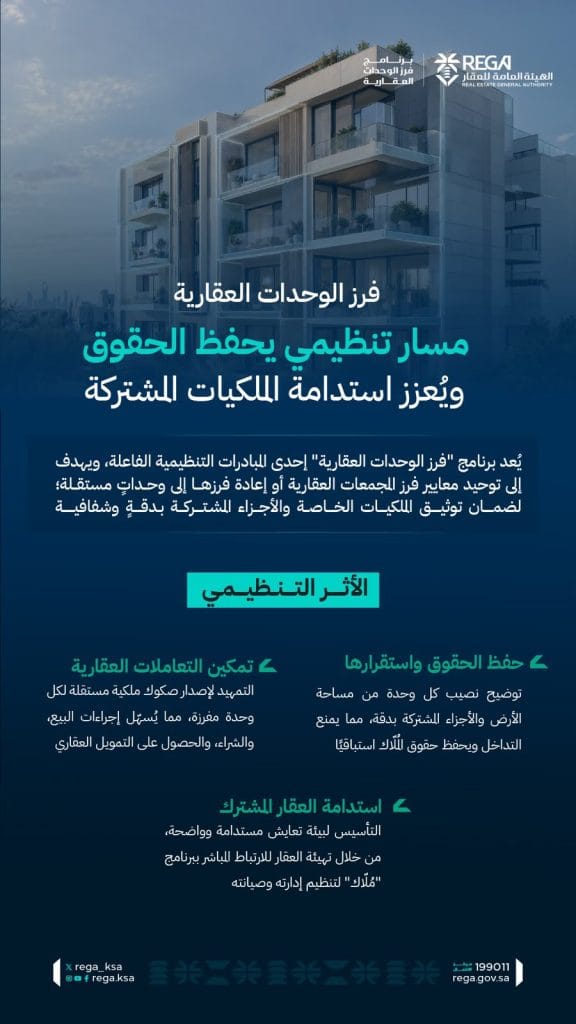
«"Real Estate Unit Sorting": A regulatory program that protects rights and promotes the sustainability of shared ownership.
Amlak Real Estate
09/11/2026
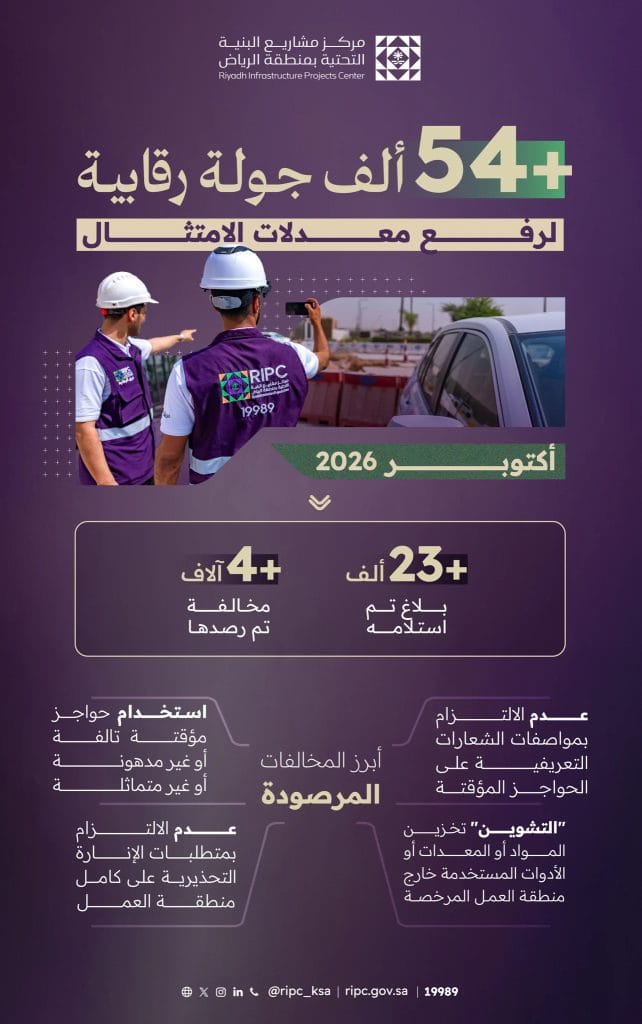
The Riyadh Infrastructure Center recorded more than 4,000 violations during the month of October.
Amlak Real Estate
09/11/2026
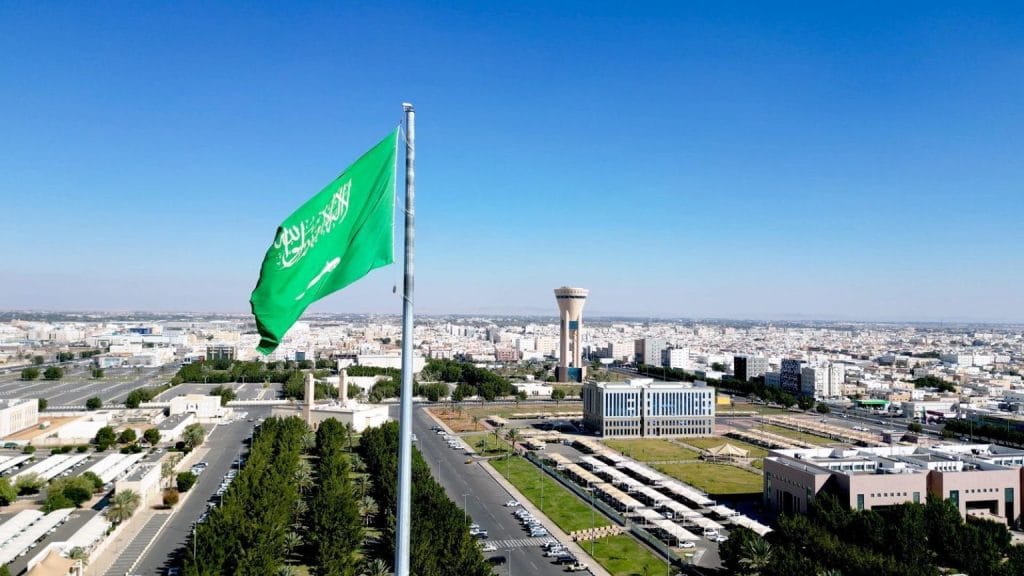
Tabuk Municipality issued more than 4,000 surveying decisions and approved 44 plans during 2026
Amlak Real Estate