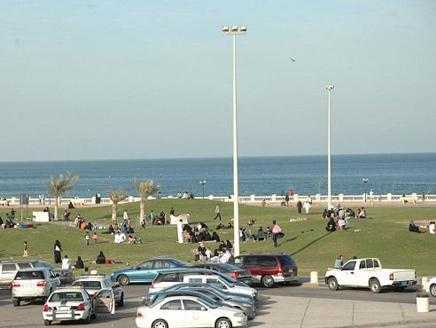

In the past, the Council of Ministers issued a similar decision in 1419 AH, which at that time prohibited construction on the coasts directly. The Council of Ministers had previously issued a similar decision in 1419 AH, where it prohibited construction on the coasts directly, and the current decision serves the beneficiaries of the coasts according to the conditions, and at the same time will increase the number of beachgoers, especially from the residents of the coastal cities themselves and nearby cities, to be a permanent outlet throughout the year for the people of all coastal cities and a haven for walking, family sessions and hiking for youth and those who visit it.
Mohammad al-Ma'ayyad said that the decision will support the growth of tourism. For his part, Mohammed Al-Mojel, Chairman of the Tourism Committee at the Riyadh Chamber of Commerce and Industry, pointed out that large tourism projects such as resorts and others on the sea are very expensive, and may be at a great distance from the sea is not feasible, but in our situation in the Kingdom, and with the length of our coasts, the existing projects, before the ban decision, or allocate remote sites as large resorts such as Aqir, and then the longer area of the beaches is public property for people to picnic, especially near the locations of the population density in cities.
On the other side of the coin, Abdul Rahman Al-Mojel called on the people of the coastal cities to take advantage of the beaches. <In the same direction, Abdulrahman Al-Sanea, vice chairman of the National Tourism Committee at the Council of Saudi Chambers, called on the state to allocate certain sites for investment with support with loans and infrastructure, and to provide land at reasonable prices as a long-term lease. He added: “People want the coast as an outlet for them, and also want it as resort projects that provide high-level services, and therefore sites are chosen relatively far from population density, and offered as an investment with the advantages of support and incentives for investors from the experiences of others, and tourists from the Kingdom are among the most important visitors to coastal cities in Arab and other countries, because there are distinctive integrated resorts for relaxation and entertainment."
The Council of Ministers of the Council of Saudi Chambers called on the state to allocate certain sites for investment with support for loans to establish infrastructure, and provide suitable land for long-term rent. <The Council of Ministers had decided with regard to the leasing of beach lands to prevent the disposal of coastal and beach lands, except for private properties, for which legal instruments were issued before the issuance of Supreme Order No. (1004) dated 20/1/1419 AH, and sites allocated for public services that are provided free of charge or for a nominal fee to all visitors to the site, provided that they are at the back of the land side, as well as sites allocated for commercial activities. For commercial activities, not exceeding (10%) of the total area of the beach campus, provided that they are in the back of the land, and for tourist accommodation projects located outside the urban block and the development protection limit for the urban range of cities and approved recreational areas, the beach campus shall be open to project visitors and free of any facility or construction in the front part of the sea.