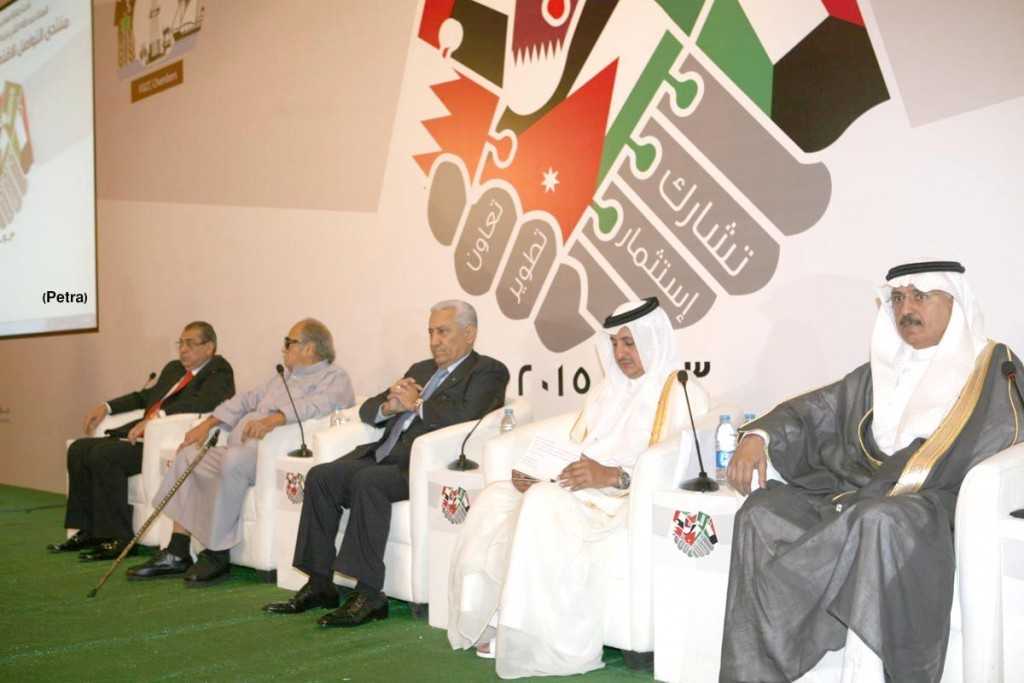

Saudi Arabia's participation in the Gulf-Jordan Economic Networking Forum held in Amman, Jordan recently revealed that SMEs in the Kingdom constitute about 74.2% of the total companies and absorb about 27% of the total labor. However, their contribution to GDP is only 33%, which is a weak contribution to the size of the growth of the Saudi economy, and there are strategic and supportive plans to increase their contribution to GDP through development and supportive strategic plans.
While SMEs in the UAE accounted for 93.% of the total number of business establishments and employ about 85% of the labor force, despite this, the contribution of SMEs accounts for only about 30% of GDP, while SMEs account for 91.In Oman, SMEs represent about 88.7% of the total enterprises operating in the Sultanate of Oman, and the Sultanate works to support SMEs in several sectors: agriculture, fisheries, industry, services and tourism, in Qatar it represents 78.3%, and in Kuwait, SMEs represent about 75% of the total enterprises operating in the local market.
The forum's deliberations revealed the region's urgent need for support and financing for the SME sector to help support GDP growth and provide job opportunities, paving the way for young people to work and alleviate unemployment; especially since statistics indicate that 60% of the Arabian Gulf region's population is young and unemployment rates have reached proportions that still need to be considered and banks in the GCC countries are required to increase the flow of capital. Banks in the GCC are required to increase the flow of capital to this sector and support its projects, as the percentage of bank loans to the SME sector currently amounts to about 4% of the total loan portfolio granted by GCC banks, compared to 15% in the most developed countries, which emphasizes the priority of treatment and the need to develop new sources of capital.
The forum addressed the great difficulties facing the growth and development of the SME sector around the world, the most important of which is the lack of capital flow in the arteries of these institutions, so that they compete in the market and invest the energies of young people, and increase the employment opportunities of national cadres, which has a great impact on enriching the economic movement, as well as the forum addressed inflation in terms of its impact on the rise in the prices of raw materials and labor costs, which will inevitably lead to higher operating costs and some small projects around the world face funding and competition as challenges faced by young people.
The forum addressed the difficulties faced by the SMEs in all regions of the world.