
Experts in the field of tourism economics expect the tourism sector to contribute 5.4% of the non-oil gross domestic product during the current year, 2015, with the percentage expected to rise to 5.7 by 2020, as a result of the government’s focus on the sector, increased government spending, corporate lending, and strong domestic consumption.
As a result of this significant growth in the tourism sector—which serves as a key driver for the hospitality and hotel industry—the Human Resources Development Fund has announced that more than 400,000 jobs will be created in this sector over the next five years.
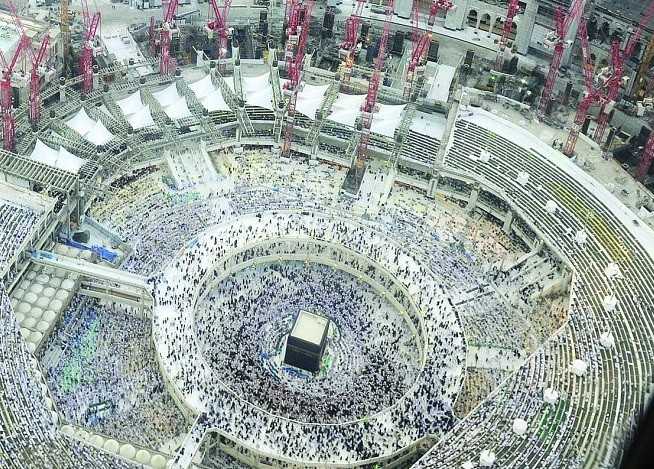
It is worth noting that religious tourism receives a great deal of attention from both the government and the private sector, given the significance of the holy sites in this regard, The average number of visitors to the Two Holy Mosques is expected to reach 30 million by 2025, representing an increase of 42% compared to 17.5 in 2014. In this regard, Ziad bin Mahfouz, CEO of the Elaph Group, noted that “the Hajj season plays a fundamental role in religious tourism. We have also witnessed a significant influx of pilgrims in recent years, with their number reaching more than 2 million in 2013, and this figure is expected to rise to 5 million by 2025. The occupancy rate at the Elaf Group during the last Hajj season in Makkah reached 95%, and revenue from our available rooms exceeded that of international hotels.”
For his part, Anis Momenah, CEO of SEDCO Holding Group, commented: “The religious tourism sector is experiencing continuous growth and has become an attractive environment for investors, providing numerous employment opportunities for Saudi youth. Furthermore, the success achieved in terms of the comprehensive infrastructure supporting this sector underscores the strength of the country’s economy.
Both the public and private sectors contribute significantly to providing accommodations for pilgrims. While furnished apartments have become the most prominent alternative, hotels remain the predominant choice of lodging for visitors to the Two Holy Mosques, with Makkah receiving 96% of the Kingdom’s visitors due to its many advantages, foremost among which is its proximity to the Two Holy Mosques in Makkah and Madinah.