
With the continuous advancements in construction and finishing technologies, printed and colored concrete is emerging as a modern solution that is reshaping the concept of traditional flooring. While people have become accustomed to using ceramic and marble as primary choices, this technology offers an alternative that combines durability and beauty at a lower cost. But could printed and colored concrete become the future of flooring in residential and commercial projects? And what are the advantages and challenges facing its widespread adoption?
What is the technology of printed and colored concrete?
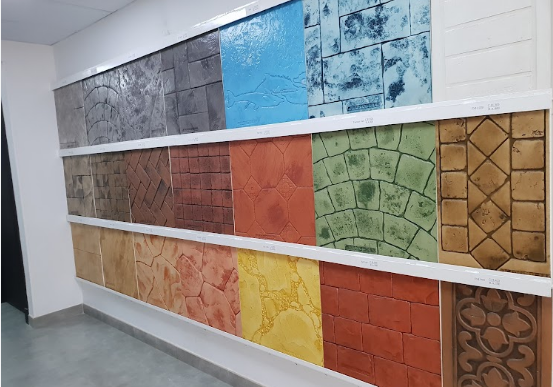
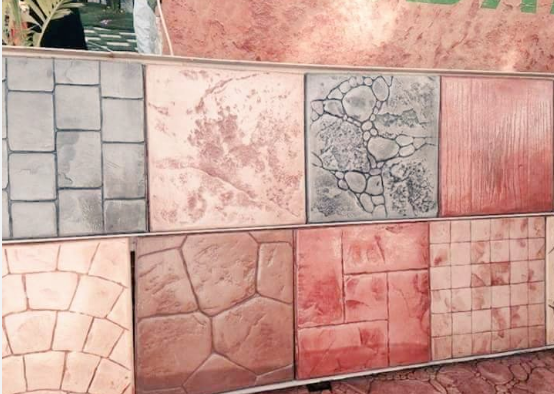
Stamped concrete is a type of concrete that is molded using decorative molds, giving it an appearance similar to natural materials such as stone, brick, and wood. It is colored using special pigments added during the mixing process or applied to the surface after pouring. This technique allows for a wide range of designs, providing multiple options to suit different tastes and needs, making it an attractive alternative to traditional flooring.
Advantages of printed and colored concrete
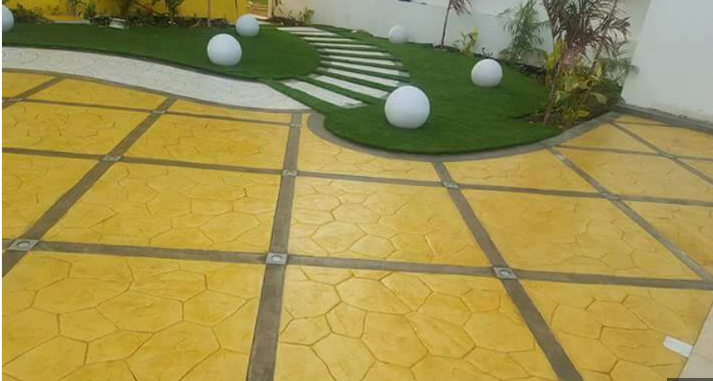
These floors are highly durable, able to withstand harsh weather conditions such as humidity and high temperatures, making them ideal for both indoor and outdoor use. They are also less expensive than marble and granite flooring, without compromising their aesthetic appeal.
The advantages of stamped concrete extend beyond its durability; it also offers a wide variety of designs and colors, giving designers and engineers greater freedom of innovation and choice. Furthermore, the ease and speed of installation compared to tiles or marble make it an ideal option for those seeking to complete their projects in record time. It also requires minimal maintenance; a periodic application of a protective coating is sufficient to preserve its color and texture for extended periods.
Challenges facing the spread of printed and colored concrete
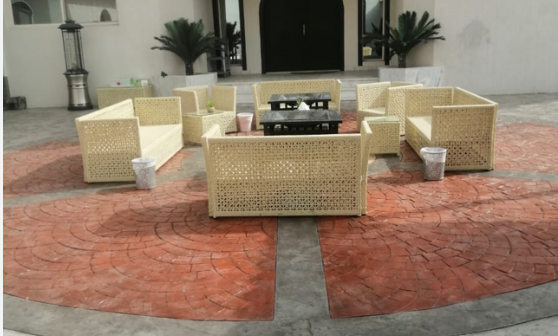
Despite its numerous advantages, stamped concrete presents some challenges that may hinder its widespread adoption. The application process requires skilled labor to ensure even distribution of colors and molds; otherwise, errors can lead to inconsistencies in the final appearance. Furthermore, some colors may fade over time if not regularly maintained.
Another challenge is the potential for some concrete surfaces to crack over time due to environmental factors, necessitating the application of periodic protective coatings. Furthermore, some designs may not be suitable for all interior spaces, limiting their use in certain projects.
Do printed and colored concrete constitute a real alternative to traditional flooring?
Despite the continued demand for traditional flooring materials like ceramic and marble, printed and colored concrete is gaining popularity, particularly in modern projects seeking a balance between aesthetics and functionality. Its high durability, low cost, and wide variety of designs make it an ideal choice for many projects, from outdoor spaces to the interiors of commercial and residential buildings.
With ongoing advancements in this technology, further improvements are expected, such as the use of more sustainable materials and colors that resist environmental factors for longer periods. Furthermore, its integration with new technologies like slip-resistant and heat-resistant flooring could increase its popularity, making it a viable alternative to traditional flooring in the near future.
Ultimately, printed and colored concrete represents a significant addition to the world of finishes, offering a practical alternative that combines durability, aesthetics, and affordability. While traditional flooring still maintains its place, this type of concrete is establishing itself as a promising future option, especially with the advancement of its technologies and the improvement in its quality. The question remains: will the construction sector witness a broader shift towards this technology in the coming years?