
As the sounds of hammering and the hum of concrete mixes fill the construction sites, a new technology quietly but confidently emerges, bringing about a radical transformation in the way houses and buildings are built. It is the technologies of light gauge steel (LGS), which rely on lightweight steel structures, and promises to redefine the concepts of construction, cost, time, and efficiency. Are we facing the imminent end of the era of blocks and concrete? And is Saudi Arabia and the Arab region heading towards a wider adoption of this modern technology?
First: What is the LGS lightweight structure technology?
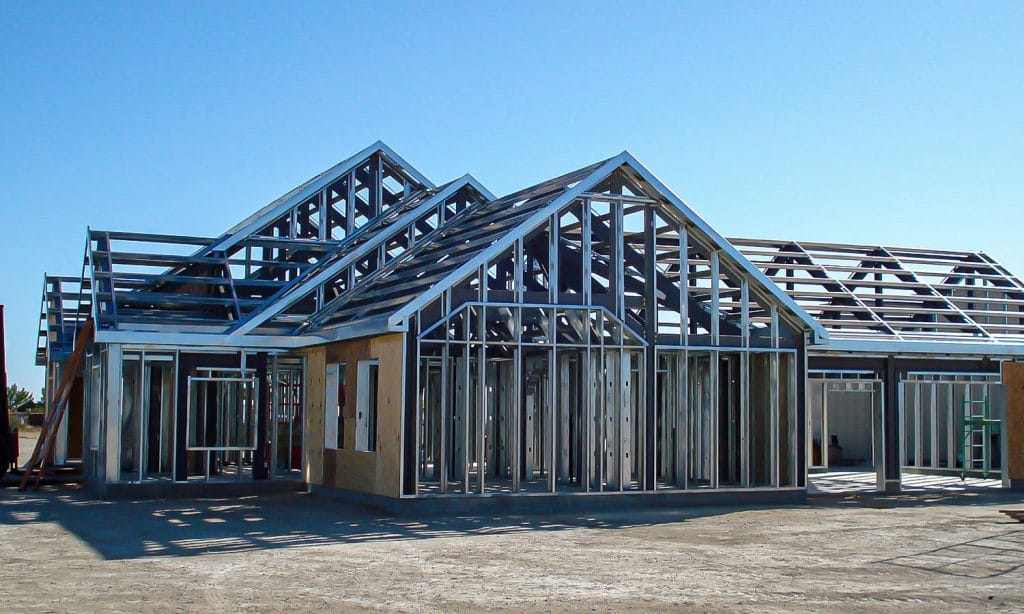
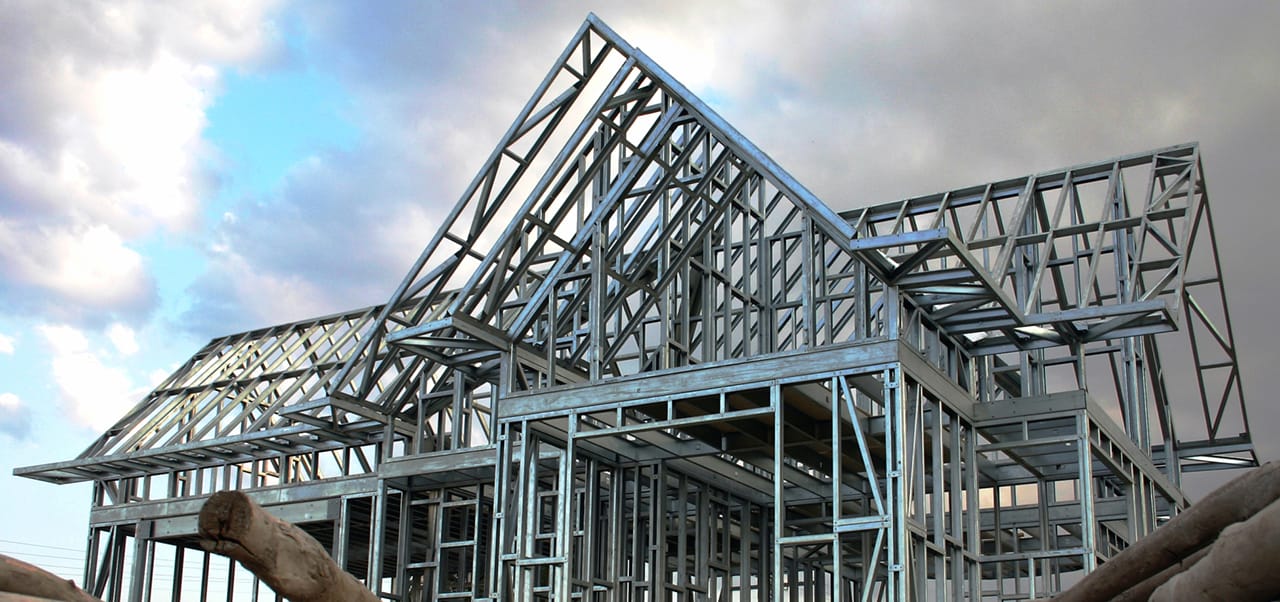
The lightweight steel structure technology relies on the use of cold-formed steel sections, manufactured according to precise designs using advanced electronic systems. These sections are assembled to form a cohesive and durable structure that serves as an alternative to traditional concrete structures in residential, commercial, and industrial buildings.
Second: The difference in time and cost
One of the most prominent advantages of this technology is that it reduces the construction time by up to 50 % compared to traditional construction. It also contributes to reducing labor and material costs, especially as the prices of cement, steel, and block materials in the market continue to rise. In climates like those in Saudi Arabia, LGS provides thermal insulation efficiency, which reduces the electricity consumption for cooling buildings.
Third: Strengths and features
• Speed in installation and construction
• Precision in manufacturing thanks to the use of CAD/CAM systems
• Lighter in weight and easier to transport
• Less waste of materials
• Environmentally friendly
• Higher resistance to earthquakes compared to traditional construction
In addition, the steel structures do not suffer from cracks like those experienced by the block, which prolongs the lifespan of the building without the need for early maintenance.
Fourth: Block and concrete... are they facing an imminent end?
Despite the advantages of LGS, concrete and blocks still dominate the construction market in the Arab world, especially in large projects and residential buildings, due to several factors, the most prominent of which are:
• Abundance of raw materials locally
• Availability of skills and labor trained in traditional construction
• Tradition and community trust in the durability of concrete
However, some developers believe that this reality may gradually change, especially in small and medium-sized projects, or in buildings of a temporary or rapid nature.
Significant growth in the light steel structure construction market
The light steel structure construction market in the Arabian Gulf region is expected to witness significant growth in the coming years. By 2030, the market size in the Middle East and Africa is expected to reach approximately $4.13 billion, with a compound annual growth rate of 5.3% from 2024 to 2030. This growth is attributed to the increasing demand for fast and efficient construction solutions, as well as government support for residential and commercial projects.
Globally, the market for light steel structures is expected to grow significantly over the next decade. In 2025, the market is expected to reach approximately $43.5 billion, with a compound annual growth rate of 5.3% through 2032. This growth is attributed to the increasing use of this technology in residential, commercial, and industrial construction projects, as well as its cost and time advantages.
Arab and international experiences strengthen confidence
In recent years, the Gulf Arab countries have witnessed a significant expansion in the use of lightweight steel structure construction technologies, in pursuit of faster and more efficient construction solutions. This technology has proven its effectiveness in residential, commercial, educational, and healthcare projects, thanks to its speed of execution, low costs, and high efficiency in insulation and durability.
The widespread adoption of this technology in the Gulf reflects a clear shift in construction policies towards adopting modern building systems that keep pace with the needs of rapid urban growth and support government trends to promote sustainability and provide flexible and energy-efficient housing solutions, making lightweight steel structures a strategic choice for the future of construction in the region.
In Australia and New Zealand, this technology has been used for decades in house construction. In the United States and Canada, it has become a preferred option in areas that require fast construction with high resistance to weather and earthquakes. Some Gulf countries, such as the UAE and Qatar, are also seeking to incorporate this technology into their future urban plans.
Promising future and rapid transformations
Amid rapid economic and technological transformations, lightweight steel structures are expected to take a leading position in the future of construction at the regional and global levels. As the need for faster and more flexible construction technologies increases, these systems have become the ideal solution for residential and commercial projects that require speed in completion without compromising on quality. Additionally, their compatibility with sustainability and energy efficiency criteria makes them a candidate to become the cornerstone of smart cities and new urban projects.
Current indicators confirm that the light-structure construction sector will witness exponential growth, driven by increasing government and legislative support, alongside investors’ desire to reduce time and operational risks.
As reliance on technologies such as 3D printing and Building Information Modeling (BIM) grows, the future of LGS looks promising, especially in environments that require flexibility and rapid expansion such as government housing projects, educational and healthcare facilities, and service centers. If the pace of development and support continues at the same momentum, lightweight construction may become the norm, not the exception, in the construction landscape in the coming years.