
With rapid technological advancements, artificial intelligence (AI) has become an essential tool transforming traditional industries and opening up new horizons for them. Among these industries, the construction sector stands out as one of the most radically transformed thanks to the application of AI technologies .
Construction sites have become smart environments reliant on precise data, advanced analytics, and intelligent systems that manage every process, from quality control and resource scheduling to ensuring worker safety and minimizing material waste. This report details how artificial intelligence is at the heart of construction sites, creating an unprecedented technological revolution that directly impacts project efficiency, quality, and cost.
Extreme precision in quality control
Ensuring quality work on construction sites is one of the biggest challenges facing project managers, as errors at any stage of construction often lead to significant costs and delays that can last for years in some cases. Traditionally, quality control has relied on human inspections, which can be limited in both accuracy and time.
Today, with artificial intelligence, the landscape has completely changed with the use of the following technologies:
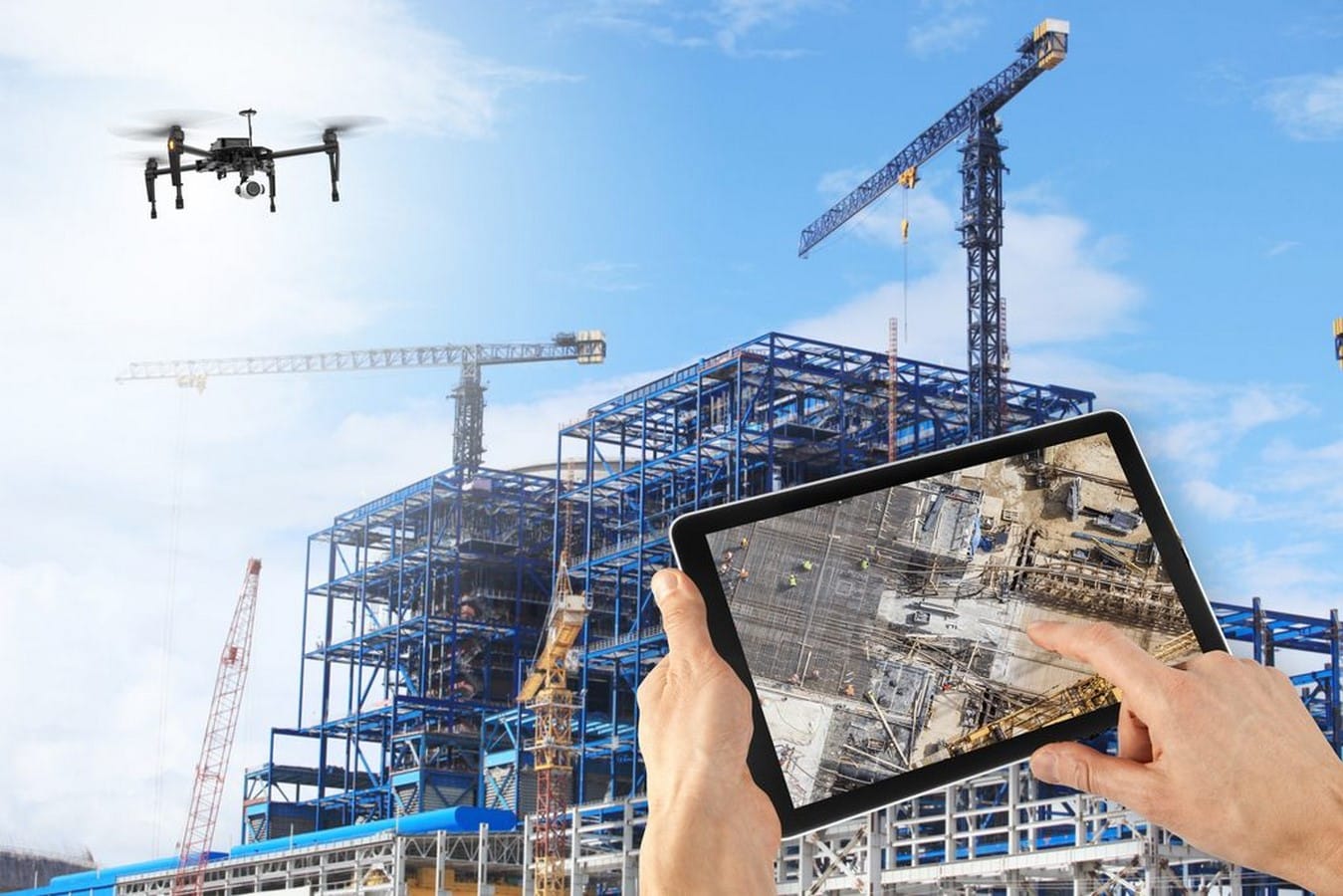
Smart cameras: These cameras are installed at various construction sites to monitor work progress in real time. These systems immediately alert supervisors when any problem is detected, allowing for quick correction before it worsens and affects later stages of the project.
3D Scanning: Precise scanning devices are used to capture three-dimensional data of structures under construction, and then compare this data with the original digital plans, thereby detecting any geometric deviations or construction problems.
Predictive analysis: This technique relies on collecting past and present data from the site, then using artificial intelligence algorithms to predict potential problems such as possible cracks or the effects of climatic factors on the materials used, thus enabling preventive measures to be taken before the problem occurs.
Optimal resource management
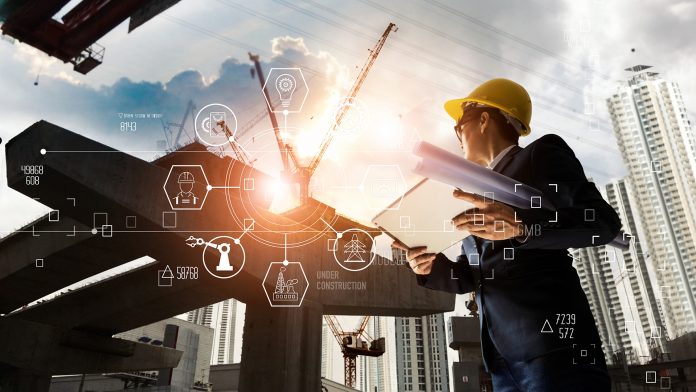
Resource management in construction includes coordinating materials, equipment, manpower, and time. Mistakes in any of these areas can lead to costly disruptions and wasted budgets. This is where artificial intelligence emerges as an ideal tool for improving management and maximizing resource utilization, such as:
Intelligent resource scheduling: AI systems rely on analyzing project, location, labor, and available equipment data to intelligently organize work schedules that ensure timely resource availability and prevent downtime due to shortages of materials or equipment.
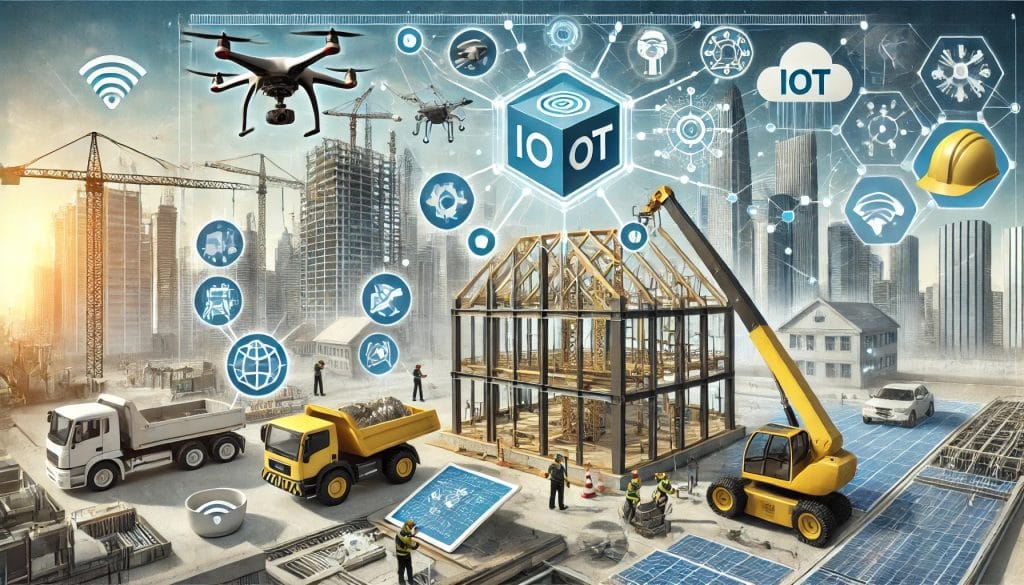
Automated inventory management: Internet of Things (IoT) technologies and sensors are used to track the levels of materials used, such as cement, iron, and electrical materials, and the smart system is able to predict when restocking will be needed.
Equipment and workforce tracking: GPS devices and sensor systems enable the monitoring of heavy equipment and machinery movement on-site, as well as worker locations, helping to ensure optimal equipment utilization and minimize wasted time or human error. Worker performance data can also be analyzed to improve task allocation and increase productivity.
Enhancing occupational safety
Safety at construction sites is a top priority, as accidents and errors can be costly on both human and financial levels. Therefore, artificial intelligence offers innovative solutions to enhance safety and reduce accidents, including the following:
Real-time risk monitoring: Using smart cameras and environmental sensors, hazards such as unsafe areas, workers not wearing safety equipment, or even gas or chemical leaks can be detected. The system immediately alerts those in charge to take the necessary measures.
Analysis of past incident data: Data on incidents that occurred at previous locations are collected and analyzed, and recurring patterns or common risk factors are identified, enabling management to modify safety plans and procedures to avoid similar incidents.
Challenges and obstacles
Despite the numerous benefits, the introduction of artificial intelligence in construction sites is not without its challenges for companies and projects:
Investment cost: Smart technology is expensive, from hardware, networks, and software to system maintenance, which may discourage small and medium-sized enterprises from adopting it.
Lack of technical expertise: Workers and supervisors need continuous training to acquire the skills to deal with these modern technologies.
The complexity of the environmental diversity of sites: Each site has special conditions such as climate, topography, and soil quality, which require specialized solutions that cannot be easily generalized.
Cybersecurity concerns: Storing and analyzing sensitive data via internet-connected systems exposes it to the risks of hacking and theft, which necessitates taking strict security measures.
The future of smart building
The future is strongly trending towards greater integration of artificial intelligence with other advanced technologies such as:
Smart robots: which will perform construction work with high accuracy and speed without the need for direct human intervention in dangerous work.
The Internet of Things (IoT): To connect all devices, machines, and workers in a smart network that enables immediate central monitoring and control.
Augmented Reality (AR) and Virtual Reality (VR): To provide an interactive design and construction experience that allows for monitoring problems before implementation on the ground.
These technologies combined will make construction sites smarter, safer, more productive, and less environmentally damaging environments, bringing about a qualitative leap in the entire sector.