The results of the first CFA Institute survey indicate that the economic outlook for 2016 is unclear, with the vast majority of respondents (81%) expecting the GCC economies to be impacted by lower global oil prices. However, despite this uncertainty, the possibility of a value-added tax on sales and the fate of human resources will dominate the economic landscape.”
The first survey published by the CFA Institute indicates that the economic outlook for 2016 does not appear to be clear-cut.
218 member experts and analysts
<The survey, which took place from October 26 to November 9, 2015, included 218 GCC-based experts, analysts and Institute members from Bahrain, Kuwait and the United Arab Emirates. The survey highlights the economic, investment and employment trends and challenges facing the GCC countries. Opinions about job opportunities for finance professionals in the GCC countries varied, with 41% of respondents predicting a decline, while 37% expected them to stabilize at current levels. The vast majority of respondents expressed concern about the rising cost of doing business in these countries in light of the possible imposition of a value-added tax on sales and the ability of companies to attract and retain high-quality employees and the cost of employing them.”expect VAT
The majority of respondents (61%) believe that the potential introduction of a VAT on sales in the GCC will increase the cost of doing business in the GCC and compliance by businesses, with 17% of respondents indicating that a VAT would discourage foreign direct investment into the GCC.respondents believe that a VAT will discourage the flow of foreign direct investment into the GCC.
Negative impact of low oil price
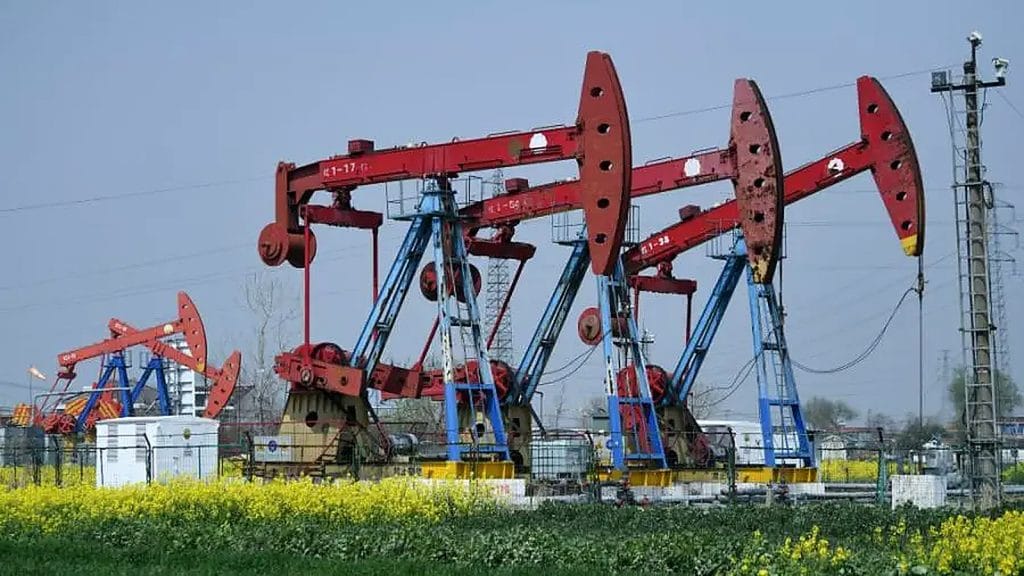
<81% respondents confirmed that low oil prices will be the main factor negatively impacting GCC economies in 2016. Regional conflicts are expected by 10% respondents to be the second most important factor affecting the economy, followed by a slowdown in the growth of the Chinese economy according to 6% respondents.Regional conflicts are expected to be the second most important factor affecting the economy.
Real Estate and Hospitality Sectors Lead
Nearly half of the respondents (48%) confirmed that the real estate, hospitality and construction sectors will lead economic activity in the GCC over the next two years, followed by various industrial products (12%) and the transportation and logistics sectors (12%).About half of the respondents (48%) confirmed that the real estate, hospitality and construction sectors will lead economic activity in the GCC over the next two years. <More than half of respondents (51%) believe that the confidence levels of financial market regulators and financial institutions in the investment sector are higher than they were during the 2008-2009 financial crisis. However, while 34% believe confidence levels will stabilize at current levels, 15% believe they will decline from pre-crisis levels.
More than half of respondents (51%) believe confidence levels are higher than they were during the 2008-2009 financial crisis. <More than half of the respondents (64%) expect Islamic finance activity in the region to continue to grow.