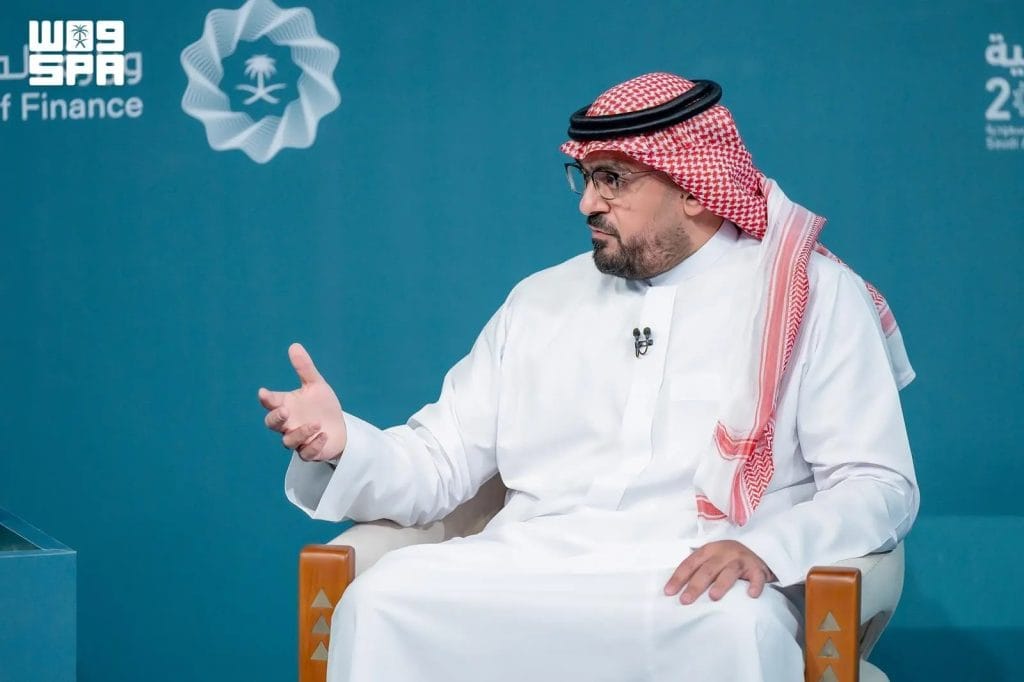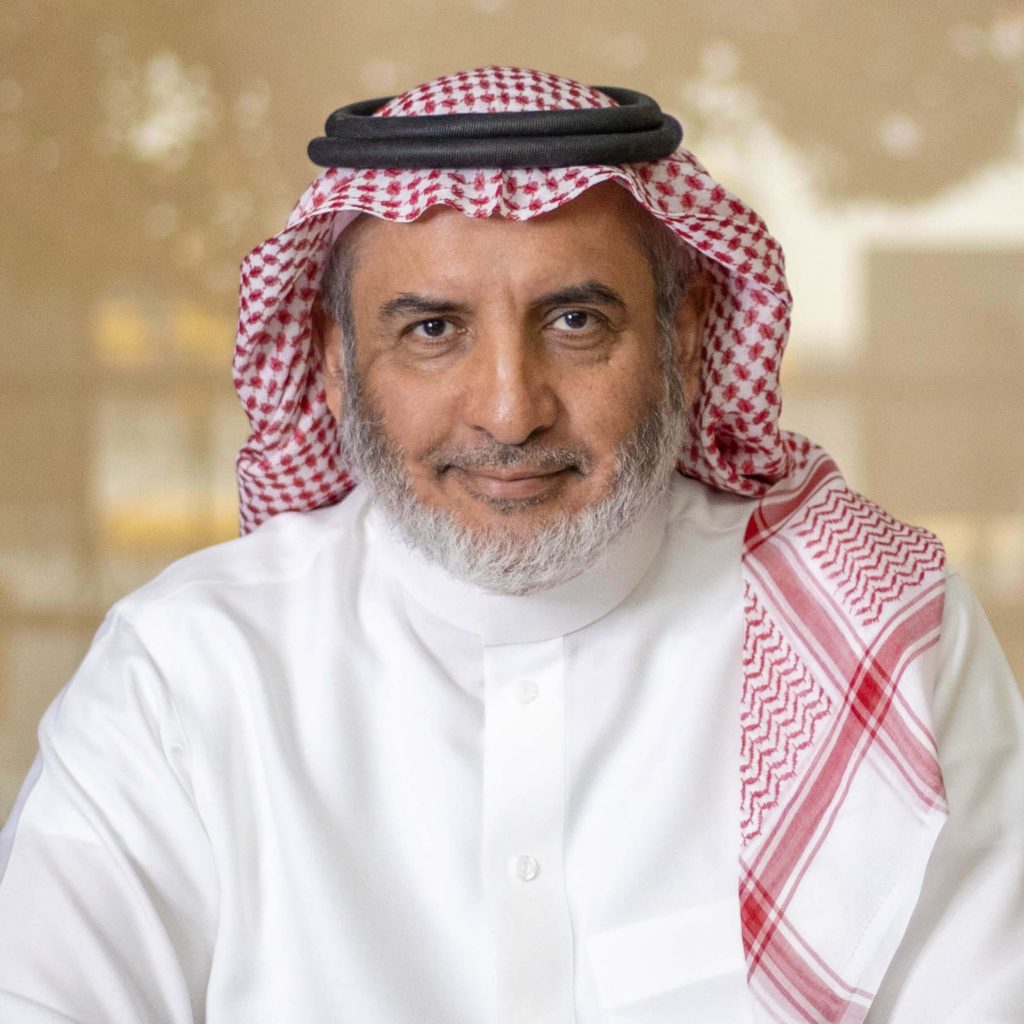

Engineer Abdullah Al-Obeikan, Chairman of Riyadh Chamber, emphasized that the transition from the traditional economy to the modern and digital economy requires a commitment to four key determinants that form the «compass» for success, noting that many entities have lost their path while trying to make this transition.
During his participation in the «Abdali Unity», on the transition from the traditional economy to the digital economy.
During his participation in «Abdali Unity» on the transformation from traditional to digital economy, he explained that these determinants are the standard on which any transformation initiative must be based to ensure value addition:
The Four Determinants of Successful Transformation
M. Al-Obeikan emphasized the need for initiatives to deliver real value, explaining that the four determinants are:
Four Determinants of Successful Transformation
- Achieve value in cost reduction (productivity): Emphasizing the «don't start» rule if it cannot be calculated that the transformation will lead to cost reduction for beneficiaries and the public.
- Elevate the customer experience: The goal should be to continuously improve and optimize the customer experience.
- Enhance employee engagement: To ensure that the human element is effectively engaged in the new work environment.
- Creating new business models: These are the ones that represent the real future and generate economic opportunities.
The sharing economy is an innovative model
In the context of talking about new business models, the chairman of the Riyadh Chamber emphasized that the sharing economy is the most prominent of these models that revolve around the mentioned determinants.
<Al-Obeikan explained that the concept of the sharing economy is based on the idea of connecting "unutilized assets" (such as parked cars) with someone who does not own these assets but requires the service, through an effective intermediary. He gave the example of Uber as the simplest example of a model that realizes significant economic value by exploiting neglected resources.