The the Ministry of Municipalities and Housing the importance of complying with the safety requirements outlined in the updated guide to the health and technical standards that must be met in collective housing for individuals, emphasizing the responsibility of facility owners to provide a safe living environment and to improve preparedness for dealing with emergencies.
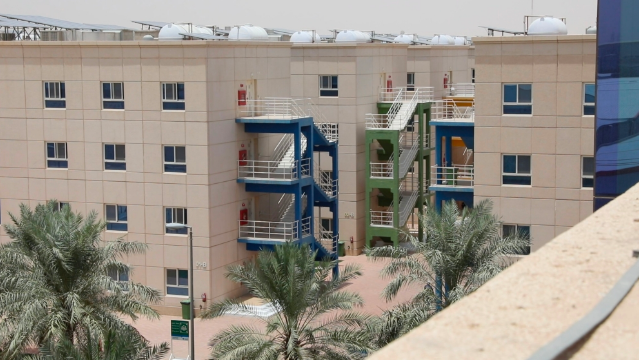
It clarified that the safety system begins with maintaining the readiness of evacuation routes and emergency exits and keeping them free of obstacles, providing illuminated directional signs, and backup lighting systems that activate automatically during power outages, as well as equipping emergency doors with mechanisms that allow them to be easily opened from the inside, ensuring that locking mechanisms do not hinder their use during an evacuation.
It emphasized the need to verify the readiness of fire alarm and fire suppression systems, perform regular maintenance on them, and prevent haphazard storage inside residential facilities or in hallways and exits, while adhering to the approved capacity limits for each facility, thereby reducing risks and enhancing safety.
Approved Evacuation Plans
The Ministry called on facilities and employers to prepare approved evacuation plans in accordance with regulatory requirements, to post evacuation diagrams in prominent, easily accessible locations, clearly marking emergency exits and assembly points, and ensuring that all residents are aware of the procedures to follow in the event of an emergency.
It emphasized that human readiness is a fundamental pillar of the safety system, which requires periodically training building occupants on evacuation procedures, conducting drills that simulate emergency situations, and familiarizing them with the safe use of basic firefighting equipment to enhance response speed and proper conduct.
The Ministry concluded by emphasizing that compliance with safety requirements is not limited to meeting regulatory requirements, but is a direct responsibility in preventing accidents and ensuring the safety of residents. It noted that preparedness and proper response during the first few minutes of any emergency help minimize losses and provide a safe and sustainable communal living environment.
«Municipalities and Housing»: Safety in Collective Housing Is a Priority for Protecting Residents
The ministry calls on facility owners to comply with safety and evacuation requirements and to conduct regular training to ensure the readiness of group housing and minimize emergency risks.
 العربية
  English