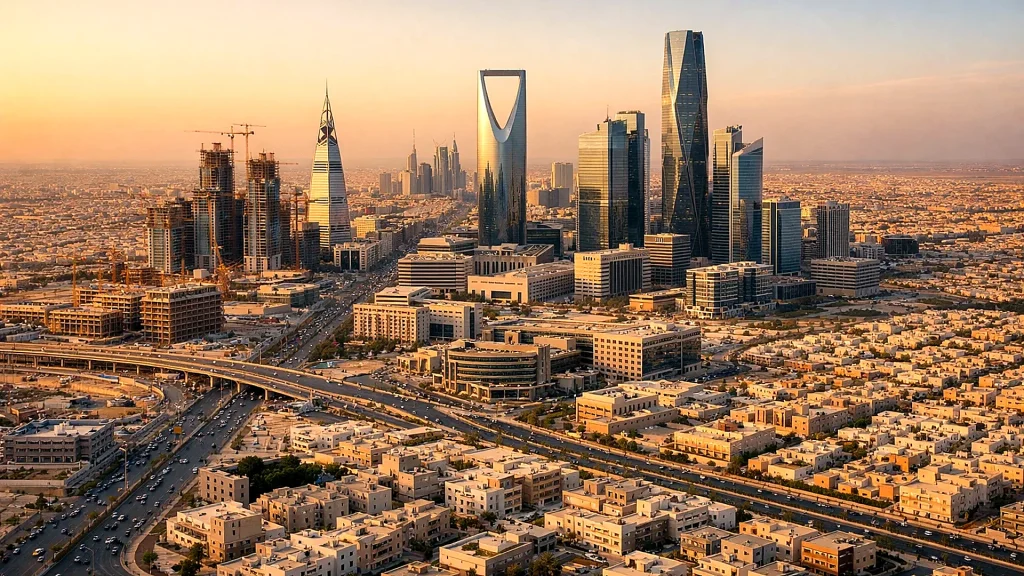
The government’s focus on developing the Saudi real estate sector and strengthening its foundations—so that it can serve as a key contributor to the national economy—is reflected in The construction sector, which has also received similar attention, to the point where it has become one of the Kingdom’s most important economic drivers, with its contribution reaching 7.6% of the gross domestic product, fulfilling one of the objectives of Saudi Vision 2030 to boost GDP from non-oil sector activities—a goal that has been achieved in practice, with this output now exceeding 50%.
The Kingdom’s construction sector has long proven to be highly mature and to possess tremendous potential, capable of supporting the Saudi real estate sector. This reality has been evident to all over the past decades, when the Kingdom suffered from a worsening housing crisis across all regions of the country, Consequently, the government took action to resolve this issue by launching initiatives to build housing projects comprising thousands of residential apartments, relying on the construction sector, which has proven itself and its immense capabilities in constructing housing in record time.
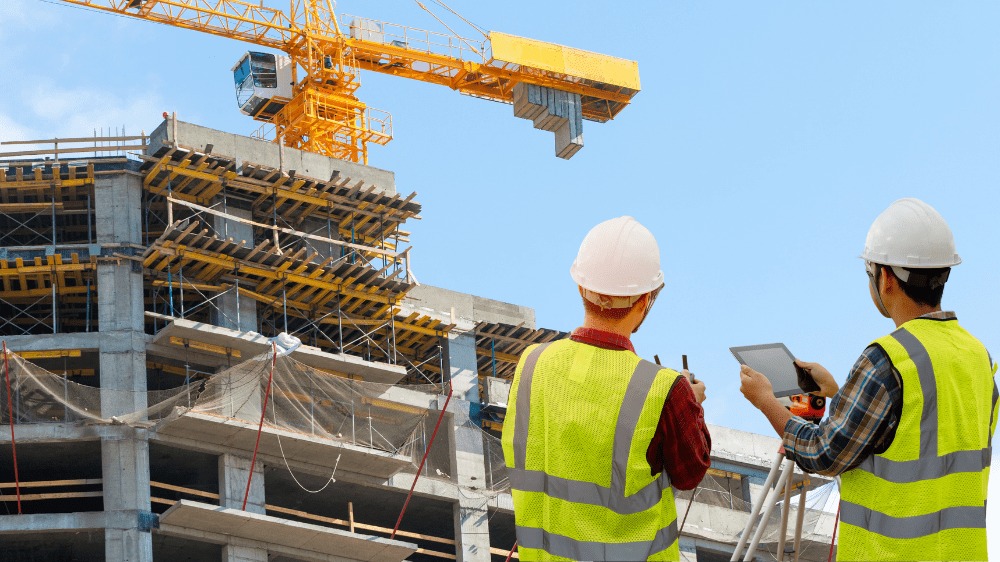
The capabilities of construction sector in its exceptional ability to provide jobs for Saudi citizens through more than 308,000 companies and institutions operating under its umbrella, of which Saudi-owned entities account for approximately 99%, while small and micro-enterprises account for about 97% of the sector’s total establishments, reflecting the importance of supporting this segment and enabling it to grow and compete, This has had a significant impact on the sector’s growth, as its annual volume now exceeds 354 billion riyals, making it the second-largest non-oil sector in the Kingdom. Construction projects in the Kingdom are currently led by giant contracting companies that harness their technical and logistical capabilities to build new cities and implement the ambitious Vision 2030 projects, such as the Red Sea Project, and the NEOM project, in addition to urban development projects and the development of world-class facilities. As a result, the construction sector is now an integral part of the country’s ongoing economic growth and development, It also plays a vital and decisive role in the development of residential, industrial, and commercial real estate, providing the necessary infrastructure to support population growth and urban expansion, thereby improving quality of life and economic productivity.
The continued growth of the construction sector in the Kingdom has a positive impact on the Saudi economy and its ability to achieve promising figures and statistics. This is reflected in the sector’s ability to provide approximately 3.9 million job opportunities, including more than 513,000 Saudi nationals, equivalent to a Saudization rate of approximately 15%. This reflects the sector’s pivotal role in supporting the labor market and achieving the Saudization targets set out in the Kingdom’s Vision 2030. In addition to the growth of the Saudi construction sector, the sector is also equipped with the strength and capacity to face challenges and crises and continue on its upward trajectory. The geopolitical tensions that the Arabian Gulf region has been experiencing for months—and continues to face today— not pose a challenge to the sector, given the stability of supply chains and the availability of basic construction materials at reasonable prices, and this is due—after God—to the logistics projects implemented by the Kingdom under the umbrella of Saudi Vision 2030, in anticipation of any emergencies or crises.
The construction sector would not have been able to achieve these accomplishments had it not been for the Saudi Contractors Authority’s initiative to provide high-quality and incentivizing services. The most prominent of these services is the Projects Platform, which serves as a link between project owners and contractors, along with model contracts, the Ma’mar service, and the Irtiqa portal—one of the Authority’s most important current initiatives, which aims to provide quality opportunities for contractors and enable them to access major projects in the Kingdom.