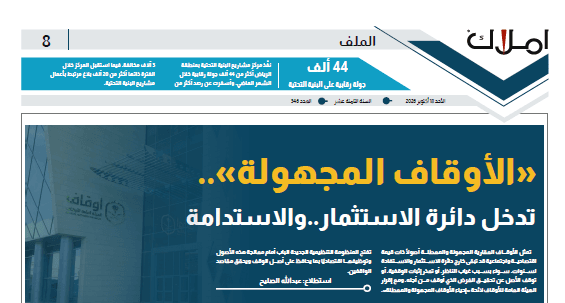
Unknown and dormant real estate endowments represent assets of economic and social value that may remain outside the realm of investment and utilization for years, whether due to the absence of a trustee, the inability to prove the endowment, or the asset ceasing to fulfill its intended purpose. With the General Authority for Endowments' approval of the "Reviving Unknown and Dormant Endowments" regulation , the new regulatory framework opens the door to addressing these assets and utilizing them economically in a way that preserves the endowment's original purpose and achieves the intentions of the donors.
Sulaiman Al-Asilan: Multiple ways to benefit from endowments
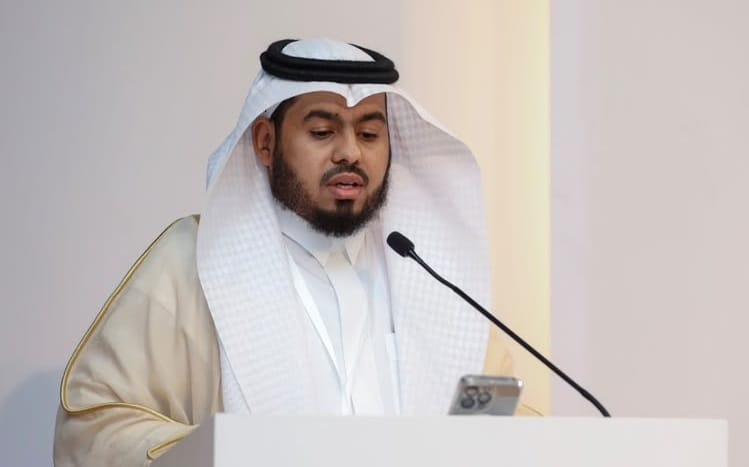
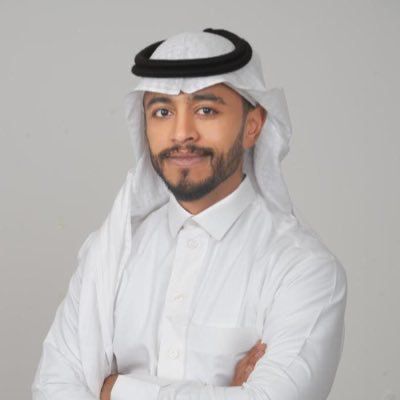
Sulaiman Hamad Al-Asilan, an expert in the field of endowments, affirmed that the regulations contribute to addressing dormant endowments by establishing clear procedures for proving endowment status, resolving procedural issues, activating the role of the trustee, and empowering them to invest and develop assets. Al-Asilan explained that the regulations provide multiple avenues, including leasing, financing, investment, and mergers, which help reintegrate these assets into the economic cycle while preserving the original endowment and fulfilling the conditions stipulated by the donors.
Al-Asilan explained that achieving investment returns is accomplished through accurate asset valuation, conducting feasibility studies, and determining the optimal use of each asset according to market needs. He emphasized that this requires engaging specialists, diversifying investment opportunities, improving operational efficiency, managing risks, and conducting periodic performance reviews. Success should not be measured solely by revenue increases, but should also encompass net returns, sustainable cash flow, preservation of the endowment asset, and maximizing benefits for the beneficiaries.
Regarding the most effective tool for endowments—leasing, financing, or investment and consolidation—Al-Asilan said: “There is no single tool that suits all endowments. The choice of tool depends on the nature of the endowment asset, its location, condition, operating costs, and available opportunities for its development. Leasing may be the most suitable for assets ready for use, while financing serves endowments that need rehabilitation. Investment and consolidation offer broader opportunities for developing assets that require specialized management or investment partnerships. The most important thing is to choose the tool that achieves the best sustainable return with the lowest possible risk, while adhering to the conditions stipulated by the endower and the Sharia and regulatory controls.”
Al-Asilan predicted that reviving unknown endowments would contribute to a number of benefits, such as:
Restoring real estate and financial assets to the Waqf system.
To promote its use in acts of charity and benefit.
Improving the efficiency of asset investment.
Providing sustainable resources that contribute to social and economic development.
In concluding his interview with “Amlak Newspaper”, Suleiman Al-Asilan stressed that the regulations represent an important step towards protecting, preserving and developing endowment wealth for future generations.
Abdullah Al-Zubaidi: The transition from traditional management to investment-oriented management
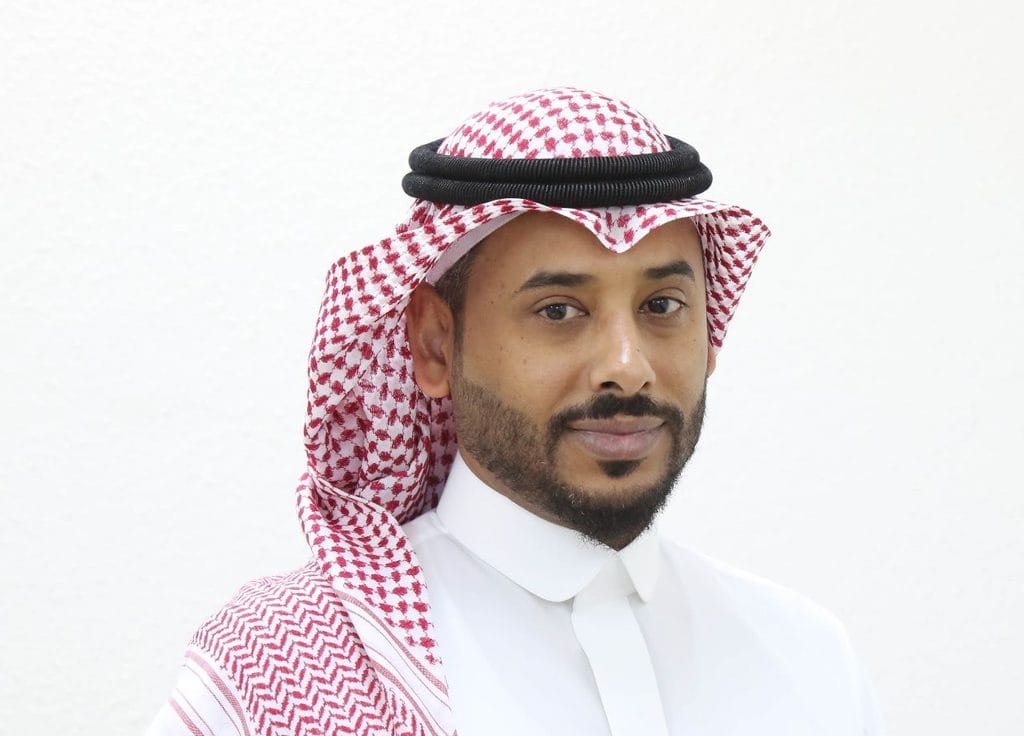
Abdullah Al-Zubaidi, an advisor in the non-profit sector, confirmed that the new regulatory framework for reviving unknown endowments contributes to addressing the regulatory obstacles that prevent the utilization of endowments, by organizing the procedures for proving the endowment, determining responsibilities, appointing trustees, and preparing assets for management and investment so that endowments move from a state of inactivity to productive assets that contribute to economic and social development.
Regarding the most effective tool for endowments, Al-Zubaidi explained that there is no single tool that suits all endowments; the choice depends on the nature of the asset, its location, condition, and investment value. He pointed out that leasing is suitable for assets ready for operation, financing for assets that need development, while joint investment or merging of integrated assets achieves higher returns in the long term.
Regarding achieving the highest investment return for dormant endowments, he pointed to the importance of moving from traditional property management to professional investment management, starting with evaluating assets, studying their feasibility, determining optimal use, and choosing the appropriate investment model, while applying governance and control. He stressed the need to achieve a balance between return and sustainability, preserving the endowment's original purpose and objectives, and not being satisfied with maximizing the financial return only.
Regarding the expected impact of reviving unknown endowments, Al-Zubaidi predicted that this would contribute to increasing the size of productive endowment assets and diversifying sources of sustainable funding for the non-profit sector, as well as converting assets that were outside the circle of benefit into continuous resources that support development and social programs.
Read also:
Developmental endowments: Governance to unlock dormant assets