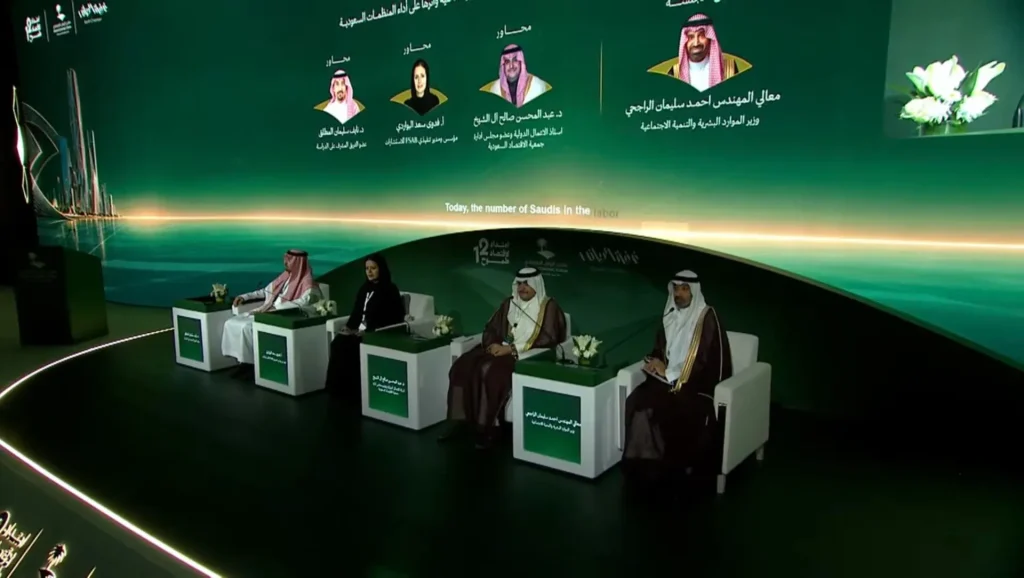

Work on the 12th session of the Riyadh Economic Forum continues in Riyadh, which began yesterday, Monday, under the patronage of King Salman bin Abdulaziz Al Saud, the Custodian of the Two Holy Mosques, and with the opening of the Prince of Riyadh Region, Prince Faisal bin Bandar bin Abdulaziz.
The current session of the conference will continue until tomorrow, Wednesday, October 14, at the Riyadh International Convention and Exhibition Center, with the participation of officials, experts, specialists, and representatives from the public and private sectors, to discuss five studies that address priority economic and development issues in the Kingdom.
Developing the forum to enhance its role in decision-making
The Chairman of the Board of Directors of the Riyadh Chamber, Eng. Abdullah Al-Abikhan, said in a statement that there is a trend within the chamber aimed at developing the forum and restructuring it to enhance its position as a more influential and sustainable national platform, improve the efficiency of its studies and outputs, and link them to economic priorities to support the decision-making process and transform knowledge into tangible developmental impact.
Al-Qubik explained that rapid economic transformations require economic institutions to go beyond the stage of keeping pace with changes and instead anticipate them and turn them into opportunities for growth. He pointed out that competitiveness does not depend solely on abundant resources, but is also linked to the quality of decisions, the production of knowledge, and the ability to employ it.
He added that the files presented during the current session include the challenges of major cities, maximizing the economic returns from global events hosted by the Kingdom, developing legislation, transferring and localizing knowledge, as well as employing technologies and artificial intelligence to enhance water and food security. He emphasized the importance of the private sector in anticipating changes and creating solutions, in light of the transformations the Saudi economy is undergoing within the objectives of the Saudi Vision 2030.

5 economic and development issues in the current session
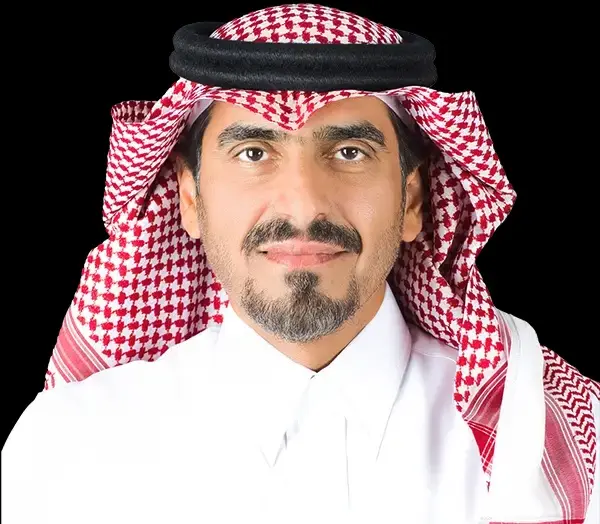
For his part, the President of the Board of Trustees of the Riyadh Economic Forum, Dr. Abdulaziz Al-Anqari, revealed that the twelfth session discusses five issues that have been selected based on a methodology that relies on identifying economic and development priorities, and studying their repercussions on the national economy and the business sector, with the participation of experts, specialists, and representatives from the public and private sectors.
During his speech, Al-Anqari emphasized that the Riyadh Economic Forum aims to come up with practical recommendations that contribute to the development of policies and support decision-making, stressing that the goal extends beyond the days of the forum to transform the results of studies and ideas presented into actionable recommendations that achieve sustainable economic and developmental impact.
The five studies discussed by the forum include “Smart Agriculture to Enhance Food and Water Security,” in terms of employing artificial intelligence technologies and modern agricultural techniques to improve the efficiency of resource use and enhance food and water security in the Kingdom.
The second study, titled “Transferring Knowledge and Localizing Expertise among Saudi Human Resources,” focuses on strategies for transferring and localizing knowledge and expertise among local human resources, measuring the impact of this on the performance of Saudi organizations, and addressing mechanisms to strengthen national capabilities and build sustainable institutional expertise, which supports improving performance efficiency and developing work environments and productivity.
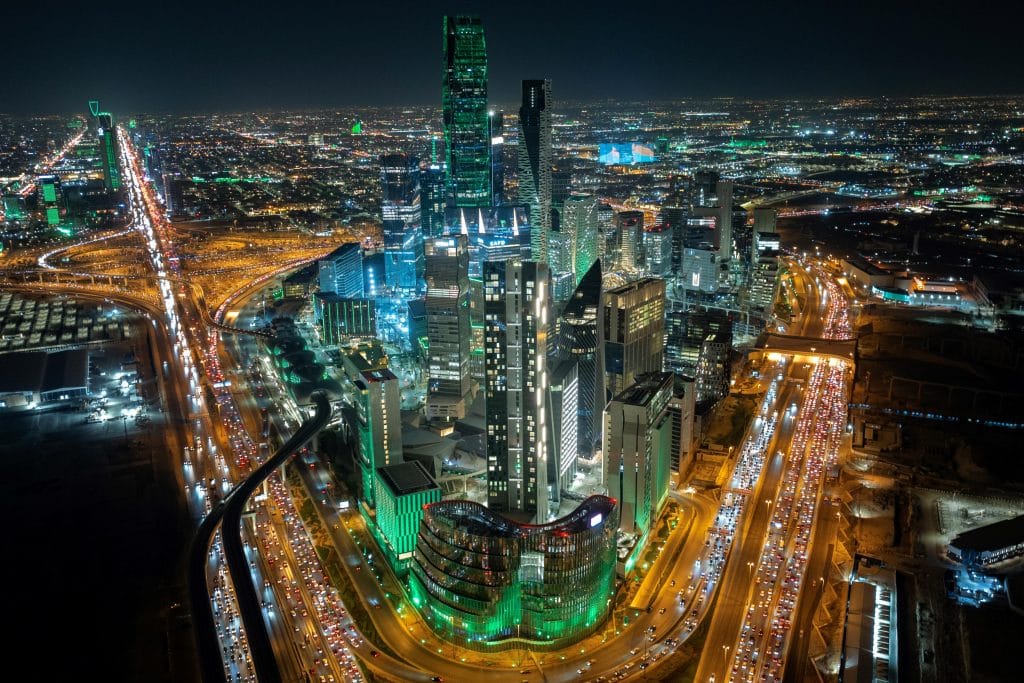
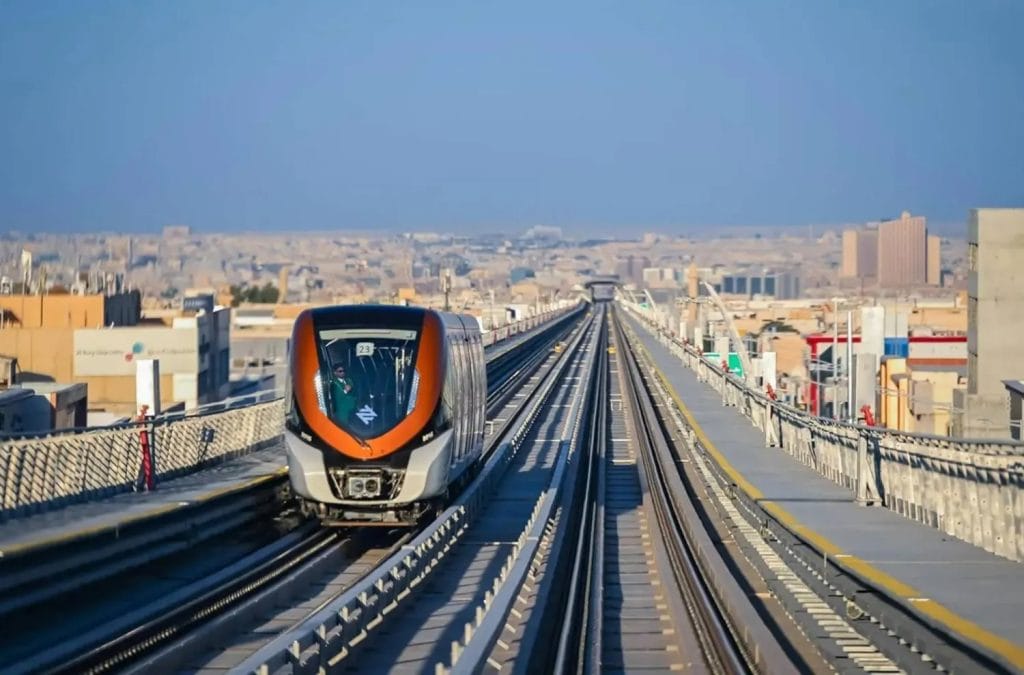
The third study, “Traffic Congestion in Major Cities: Causes and Solutions,” addresses the causes of traffic congestion in major Saudi cities, its economic, social, and environmental impacts, and possible solutions to improve urban transportation efficiency. This issue is particularly important given the expansion of urban areas and the growth of cities, and the link between mobility and the distribution of economic activities, services, and places of residence and work.
The study aims to explore solutions that can contribute to improving the flow of traffic and reducing the effects of congestion on individuals, economic activities, and the quality of life.
The fourth study, “Measuring the Impact of Legislation and Public Policies on Sustainable Development,” discusses the development of tools to measure the impact of legislation and public policies and link their results to the Sustainable Development Goals and the Saudi Vision 2030, focuses on improving the effectiveness of policies, developing mechanisms for evaluating their results, and promoting the use of evidence and indicators in economic and development decision-making.
The fifth study, titled “Maximizing the Returns from Expo 2030 and the 2034 World Cup,” addresses the opportunities to leverage these events to stimulate investment, develop infrastructure, promote local content, diversify economic activity, and expand opportunities for the private sector, turning the hosting into sustainable growth gains.
57 studies and 384 recommendations and initiatives during the forum's journey
The move to restructure the forum comes within the context of its ongoing journey since 2003, which saw the preparation of economic studies and discussions on issues related to the priorities of the national economy. The forum prepared 57 scientific studies that resulted in 384 recommendations and initiatives, in addition to organizing 157 seminars and workshops, publishing 20 newsletters, and holding 122 panel discussions.
This result indicates the magnitude of the research and discussion activity that accompanied previous sessions; the announced direction of the restructuring focuses on enhancing the impact of future studies and linking their outputs more clearly with economic priorities, and supporting the transformation of knowledge into actionable recommendations.
Read also:
More than 27 million square meters of white land covered by development in Riyadh since January 2026