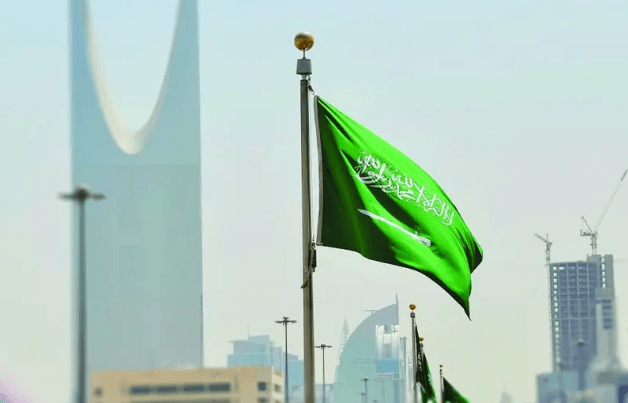

Saudi Arabia has made new progress in developing its real estate market, after joining for the first time the category of transparent real estate markets, according to the 2026 Global Real Estate Transparency Index issued by JLL and LaSalle, which confirms the development of the regulatory environment and the expansion of reforms aimed at enhancing data reliability and increasing the market’s attractiveness to international investors.
The Kingdom ranked 35th globally in the overall index, which measures transparency levels in 88 countries and 146 cities worldwide, based on 260 separate factors. Saudi Arabia also ranked among the top three countries globally in terms of improvement in real estate transparency during the period from 2024 to 2026, indicating the accelerated pace of development in the local market.
The data accompanying the report shows that Abu Dhabi topped the list of markets most improved in real estate transparency globally during the period, registering a change in the index of approximately 0.39 points. Dubai followed with approximately 0.33 points, then Saudi Arabia with approximately 0.25 points. India was also in the top tier with approximately 0.17 points, followed by Vietnam with approximately 0.16 points, then South Korea with approximately 0.10 points, and Qatar with approximately 0.09 points. Australia and Thailand each recorded approximately 0.08 points, while Poland scored approximately 0.07 points. These results reflect the significant improvement achieved by the region's markets, with Abu Dhabi, Dubai, and Saudi Arabia taking the lead in the rankings.
Regulatory reforms
The Kingdom’s entry into the category of transparent real estate markets reveals the impact of government reforms aimed at developing the disclosure system, modernizing regulatory frameworks, and enhancing institutional practices, thus creating a clearer environment for investors and helping them to assess available opportunities and make investment decisions based on more reliable information.
Among the most significant steps supporting this progress was the launch of the official real estate indicators platform , which provides a central digital database encompassing sales and rental prices and transaction volumes, thereby enhancing the ability to monitor market activity and understand its trends. Reforms also included developing regulations governing the delivery of off-plan real estate development projects and raising the standards applied to real estate companies listed on the Saudi Stock Exchange, in parallel with efforts toward digital transformation and improving market efficiency.
Mohammed Takieddine, CEO for the Middle East and Africa at JLL, said that Saudi Arabia's inclusion in the category of transparent real estate markets highlights the pivotal role of transparency in building the institutional trust necessary to transform ambitious economic plans into long-term capital commitments in the Middle East and Africa region.
He explained that global investors, who are drawn to markets capable of combining resilience with high growth rates, benefit from improved transparency in understanding market fundamentals, measuring performance, and evaluating transaction procedures. This contributes to allocating capital based on more accurate estimates of investment returns, as well as providing a benchmark for comparing market developments both regionally and globally.
For its part, JLL’s office in Saudi Arabia indicated that the Kingdom’s entry into the category of transparent real estate markets for the first time embodies the tangible impact of the Kingdom’s Vision 2030 objectives in developing the real estate sector and enhancing its attractiveness to international investors, through improving data quality, developing regulatory frameworks, and raising levels of confidence in the market.
Read also:
Real estate governance and its role in promoting transparency and attracting investment
Ejar launches settlement invoice reversal service to enhance contract termination transparency