
When garden design begins with an understanding of the climate and nature of the site and the selection of appropriate plants, the green space becomes more sustainable and requires less water and maintenance. In an environment characterized by high temperatures, varying rainfall, and increased evaporation rates, choosing an unsuitable plant can turn into a continuous burden of watering, pruning, and replacement.
Native plants adapted to the Saudi environment stand out as a practical option in garden design, as they can contribute to reducing irrigation needs, improving the sustainability of green spaces, and reducing operating costs, while also enabling the achievement of a diverse aesthetic design that combines trees, shrubs, flowering plants, and ground covers.
Saudi Arabia's climate: a challenge for garden design
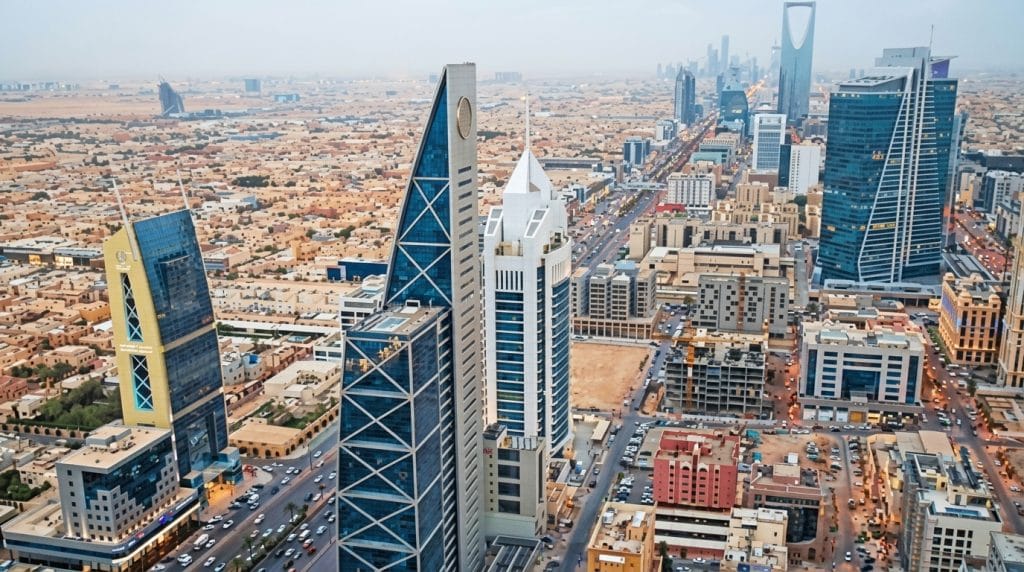
Climatic conditions vary across Saudi Arabia, from the extremely hot and dry desert climate in the central and eastern regions, to the coastal areas with relatively high humidity, and the mountainous regions characterized by lower temperatures and varying rainfall.
In Riyadh, summer temperatures rise to extreme levels that may exceed 49 degrees Celsius in some conditions, with humidity dropping to less than 15% during the summer, while daily reference evaporation rates during the summer range between 9.29 and 11.7 mm, according to a scientific study that addressed the climatic characteristics and water needs of plants in a number of Saudi cities.
These conditions illustrate the magnitude of the challenge associated with managing irrigation water in green spaces. It is not enough to choose a beautiful or fast-growing plant; its ability to withstand heat and drought and the nature of the soil should be an essential part of the planting decision, especially in gardens that rely on continuous irrigation.
Native plants: A practical option for home gardens
Relying on native and adapted plants is one of the most prominent options when designing gardens in Saudi Arabia, due to the ability of these types to deal with the surrounding environmental conditions, including heat, drought and soil type, as well as the possibility of reducing maintenance and irrigation needs in many cases.
The Riyadh Plants Guide, issued by the Royal Commission for Riyadh City, highlights the importance of using native species to improve the urban landscape, reduce heat and glare, decrease water consumption, and limit maintenance work, while preserving plant diversity. The guide also encourages avoiding the intensive use of exotic plants that require large amounts of water, except in cases where the nature of the design requires it.
The Riyadh Plants Guide can be used when planning home gardens, as it provides a reference that helps in choosing plant species suitable for the local environment, and identifying options that are compatible with the nature of the planted areas and climatic conditions.
Sidr, tamarisk, and arak trees... trees that can withstand harsh conditions
The jujube tree is a well-known local tree, and it is characterized by its ability to withstand harsh climatic conditions, provide shade, and can be used in gardens, courtyards, and entrances. It can reach a height of about 10 meters, according to the botanical guide of the Ministry of Environment, Water and Agriculture. It is also characterized by fruit production and its environmental importance, as it can provide a suitable environment for some types of birds.
The tamarisk is among the options that can be used in gardens, roads and squares, due to its ability to withstand harsh climatic conditions, while its growth size and the nature of its roots should be taken into account when planting it near buildings or in limited spaces.
As for the Arak, it represents one of the plants adapted to harsh environmental conditions, and it is characterized by its tolerance to heat, drought and salinity. It can be used in green spaces, plant hedges and some sites that require plants with the ability to cope with difficult conditions.
The tamarisk and ghaf trees also stand out as plants that can be used in gardens, entrances and open spaces, taking into account their final size and growth pattern, in order to ensure a suitable distribution of plants and avoid interference with buildings and facilities.
The list of plants prepared by the Ministry of Environment, Water and Agriculture includes several types suitable for afforestation, gardens and squares. Local plant options and their characteristics can be viewed through the Ministry of Environment, Water and Agriculture , taking into account that the suitability of types varies according to the region and the nature of the soil and available water.
Shrubs and flowering plants: visual variety with fewer needs
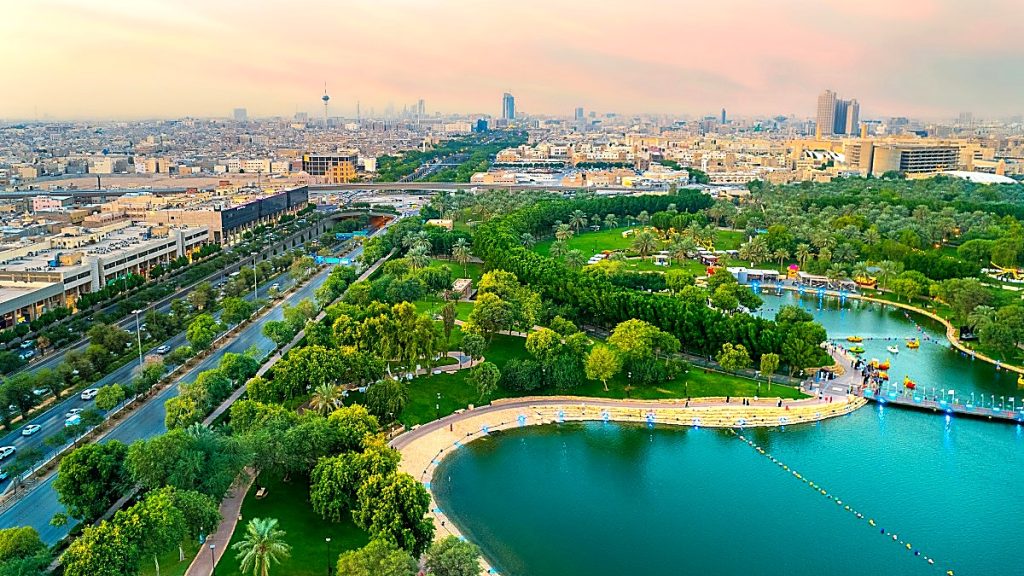
A sustainable garden does not need to rely solely on trees; shrubs, flowering plants, and succulents can be employed to create a diverse landscape, choosing species that are drought-tolerant or adapted to local conditions.
Arta, Ramth, Arfaj and Shath stand out as plants that can be used in some garden designs and open spaces, due to their characteristics that suit desert environments, while succulents and cacti provide diverse options for spaces that require plants with low water needs, with the need to consider the characteristics of each type and the location of its cultivation.
Eden and some flowering plants can also be used to add color to the garden, paying attention to the nature of the irrigation and the plant's needs, as excessive watering may harm some species that can tolerate periods of drought.
Combining trees, shrubs, and succulents allows for the creation of a diverse garden without turning it into a space dependent on plants with high water requirements throughout the year, which enhances design efficiency and reduces operating and maintenance costs.
Water consumption: How can suitable plants reduce it?
Water consumption in the garden is not only related to the type of plant, but is also affected by temperature, plant size, soil area and type, exposure to sun and wind, the efficiency of the irrigation system, and the frequency of irrigation.
Scientific studies have shown that water requirements vary greatly between plants and seasons, as the estimated needs of some plant areas during the summer may reach about 25 liters per square meter, while they decrease to about 6 liters per square meter during the winter in some studied cases.
It also indicated the possibility of reducing water needs by approximately 50% to 70% compared to higher levels of consumption, when irrigation management is improved according to the model used, with results varying according to locations, plant conditions and climate.
These figures show that garden design, plant selection and distribution, along with adjusting the irrigation system, can achieve significant water savings, but a uniform consumption rate for each garden cannot be determined without knowing the planting area, plant types, and climatic conditions.
Garden design: Plant distribution according to their needs
Distributing plants in groups with similar water needs helps manage irrigation more efficiently, so that plants with low water needs are not watered at the same rate as plants that consume more water. The use of drip irrigation systems also allows water to be delivered to the root zone in a more controlled manner, and reduces water waste resulting from undirected irrigation.
When selecting trees, their expected size when fully grown, the extent of their root spread, their height, and the width of their crown should be determined before planting, so that they do not become a cause of damage to sidewalks, water pipes, or proximity to buildings.
Preparing the soil helps improve its water retention and provides a better environment for the roots. Soil covering materials, such as suitable gravel or some types of organic mulch, can be used to reduce evaporation, improve the appearance of the garden, and reduce the growth of unwanted weeds.
The Riyadh Plants Guide emphasizes the importance of using gravel and the natural distribution of rock elements when designing gardens with native plants, which enhances the natural appearance and reduces reliance on water-intensive designs.
Native plants support sustainability and reduce garden costs
The importance of native plants goes beyond providing water, as they can contribute to enhancing biodiversity, improving the urban landscape, providing suitable environments for some organisms, and reducing the need to replace plants frequently when the selected species are compatible with the environment.
Within the framework of the National Afforestation Program, the National Center for Vegetation Development and Combating Desertification focuses on the use of local plant species in afforestation projects, within efforts that include different regions of the Kingdom, and rely on solutions that are appropriate to the available natural resources and water sources.
The National Afforestation Program aims to plant 400 million trees by 2030, 4.7 billion trees by 2060, and 10 billion trees by 2100, according to the program’s stated objectives, as part of efforts to enhance vegetation cover, improve the environment, and expand green spaces.
Details of the initiatives and objectives can be found through the National Afforestation Program of the National Center for Vegetation Development and Combating Desertification .
Read also:
Infrastructure projects: Investments that open new horizons for real estate development (statistics)