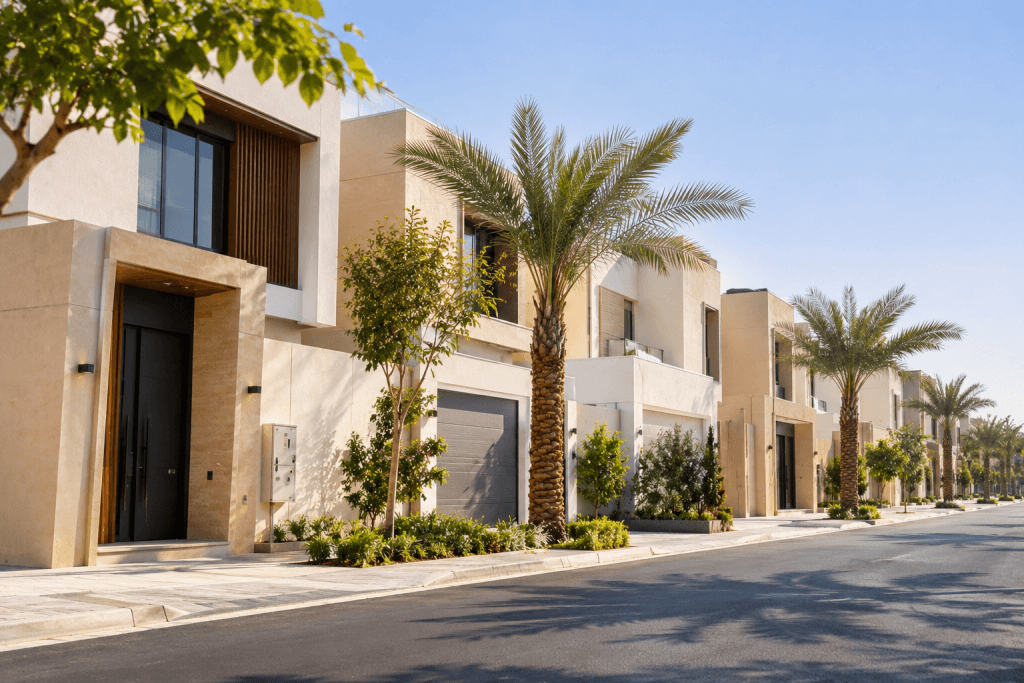
Excellence in the real estate market is no longer solely determined by location, size, and luxurious design; a property's quality is now also measured by its ability to meet the needs of diverse segments of society. This highlights an issue that deserves the attention of developers and investors: the accessibility of properties for people with disabilities of all kinds, not just those with mobility impairments.
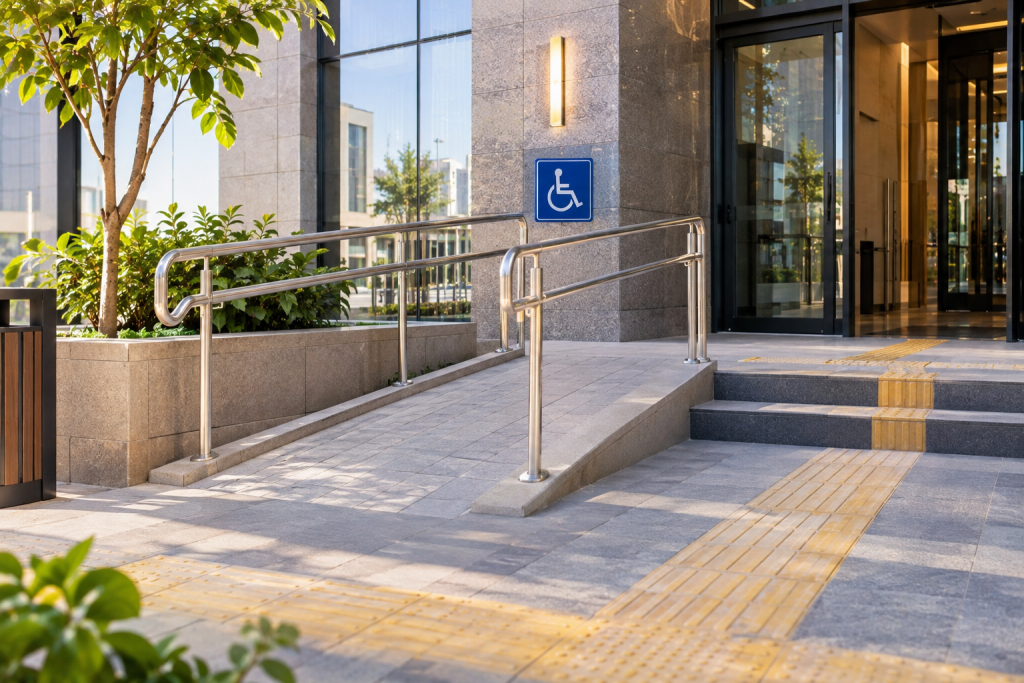
A building that provides accessible ramps and elevators is not necessarily accessible to everyone. Blind people need tactile guidance, elevators with audio instructions and raised buttons, and deaf people need emergency light alerts, informational screens, and visual communication tools. People with intellectual disabilities and autism spectrum disorders require simplified signage, clear pathways, and environments that minimize noise and sensory stimulation.
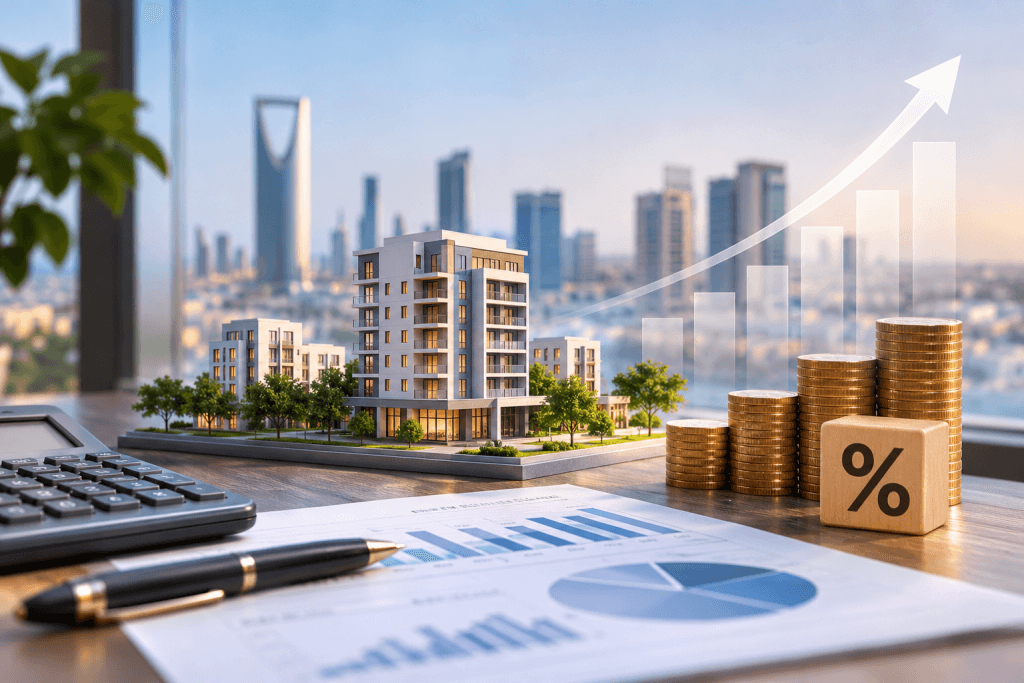
Economically, these features should not be viewed as additional construction burdens, but rather as an investment in expanding the property's reach, enhancing its residential, commercial, and tourism appeal, and improving its operational efficiency and competitiveness. Furthermore, integrating universal accessibility solutions during the design phase is less complex than making costly modifications after construction is complete.
In the Kingdom, regulatory and institutional efforts form a crucial foundation for this transformation. The Law on the Rights of Persons with Disabilities stipulates accessibility requirements, and its implementing regulations emphasize the necessity of adhering to these requirements in both governmental and non-governmental facilities. Furthermore, the Commission for the Care of Persons with Disabilities has issued guidelines for universal accessibility, in parallel with the efforts of the King Salman Center for Disability Research in developing standards for adapting the built environment.
The next stage requires the real estate sector to move from adhering to minimum requirements to adopting the concept of inclusive design, through reviewing plans, involving people with disabilities in testing facilities, assessing the readiness of properties, and developing smart technological solutions that serve various needs.
The Saudi real estate market has a genuine opportunity to create a more inclusive and sustainable urban development model. The true value of a property lies not only in the number of people who can buy or rent it, but also in the number of people who can live in it and use its facilities with independence and dignity. A successful property is not one built by a developer for everyone on paper, but one that everyone can actually use.
Read also:
The land is moving... so why aren't all deals being converted into housing?