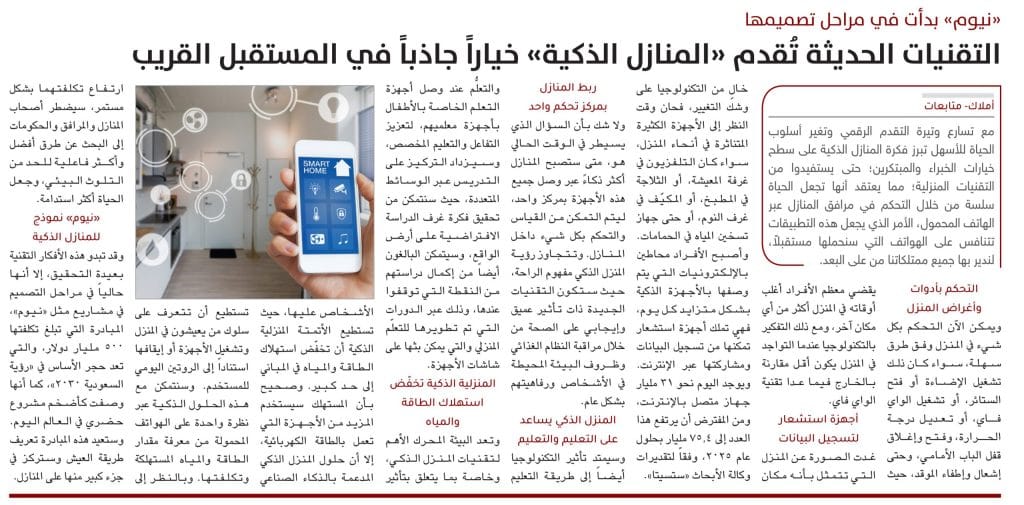

As the pace of digital progress accelerates and lifestyles become more convenient, the concept of smart homes is gaining prominence among experts and innovators; so they can take advantage of home technologies; these are believed to make life easier by allowing users to control home systems via their mobile phones, which means these apps will compete for a place on the phones we’ll carry in the future, enabling us to manage all our possessions remotely.
Controlling Home Appliances and Devices
It is now possible to control everything in the home with ease, whether it’s turning on the lights, opening the curtains, turning on the Wi-Fi, adjusting the temperature, or locking and unlocking the front door, or even turning the stove on and off. While most people spend more time at home than anywhere else, they tend to think less about technology when they’re at home compared to when they’re out, with the exception of Wi-Fi.
Sensors for Data Logging
The image of the home as a technology-free zone is about to change, so it’s time to take a look at the many devices scattered throughout the home—whether it’s the TV in the living room, the refrigerator in the kitchen, the air conditioner in the bedrooms, or even the water heater in the bathrooms. People are increasingly surrounded by electronics described as «smart devices,» which are equipped with sensors that enable them to record data and share it online. Today, there are approximately 31 billion devices connected to the internet, and this number is projected to rise to 75.4 billion by 2025, according to estimates by the research firm "Cecita."
Connecting Homes to a Single Control Center
Undoubtedly, the question on everyone’s mind right now is: When will homes become smarter by connecting all these devices to a single hub, enabling the monitoring and control of everything inside the home? The vision of the smart home goes beyond the concept of convenience; new technologies will have a profound and positive impact on health by monitoring people’s diets, their surrounding environmental conditions, and their overall well-being.
Smart Homes Support Education and Learning
The impact of technology will also extend to the way we teach and learn when children’s learning devices are connected to their teachers" devices, enhancing interaction and personalized instruction. There will be an increased focus on multimedia-based teaching, enabling us to bring the concept of virtual classrooms to life. Adults will also be able to resume their studies from where they left off through courses developed for home learning that can be streamed to device screens.
Smart Homes Reduce Energy and Water Consumption
The environment is the most important driver of smart home technologies, especially with regard to the impact people have on it, as smart home automation can significantly reduce energy and water consumption in buildings. While it is true that consumers will use more electrically powered devices, smart home solutions powered by artificial intelligence can learn the behavior of the home’s occupants and turn devices on or off based on the user’s daily routine. With these smart solutions, we’ll be able to see at a glance on our smartphones how much energy and water is being consumed and how much it costs. Given their continuously rising costs, homeowners, utilities, and governments will be compelled to seek better and more effective ways to reduce environmental pollution and make life more sustainable.
"Neom«: A Model for Smart Homes
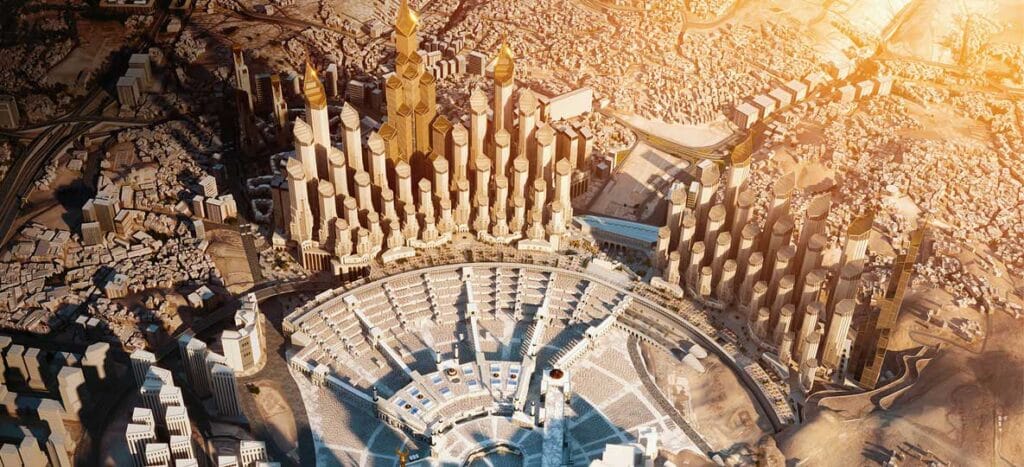
While these technological ideas may seem far-fetched, they are currently in the design phase in projects such as »Neom," a $500 billion initiative that serves as the cornerstone of "Saudi Vision 2030" and has been described as the largest urban project in the world today. This initiative will redefine the way we live and will focus, in large part, on homes.
Related Topics... Real Estate – Real Estate Disposal Regulations – Commercial Cases
General Real Estate Authority:
The amendment included the registration of real estate with the Authority..
King Salman Issues a Royal Decree Amending the Regulations of the Economic Cities Authority