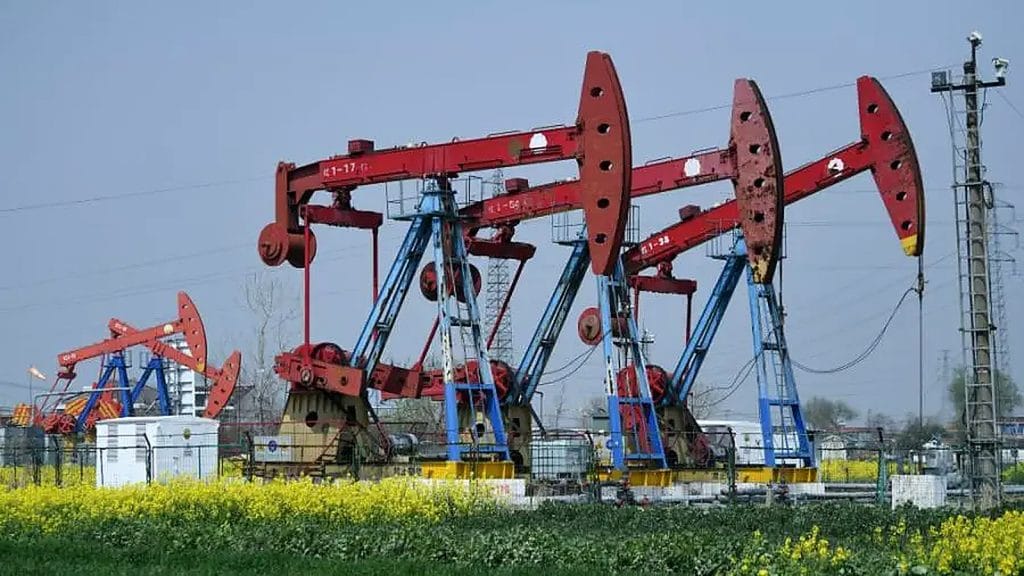
Mohammed bin Abdullah Al-Jadaan, Acting Minister of Finance and Minister of Economy and Planning, confirmed that The global crisis caused by the spread of the COVID-19 pandemic has caused three shocks to the Kingdom’s economy, each of which could have a significant impact on the performance and stability of public finances unless the government intervenes with measures to absorb these shocks. The first shock was an unprecedented decline in oil demand, which negatively affected prices and led to a sharp drop in oil revenues—a major source of general revenue for the state budget.
The second shock stemmed from the repercussions of the necessary preventive measures taken to protect the lives and safety of citizens and residents and to prevent the spread of the pandemic, which led to the suspension or significant reduction of many local economic activities. This had a negative impact on non-oil revenue and economic growth.
The third shock to the state budget stemmed from emergency needs and unplanned expenditures that required government intervention through continuous increases in appropriations for the health sector to support the preventive and therapeutic capacity of health services, in addition to adopting a number of initiatives to support the economy, mitigate the impact of the pandemic, and preserve citizens" jobs.
His Excellency Minister Al-Jadaan explained that these challenges collectively led to a decline in government revenues and placed pressure on public finances to levels that would be difficult to manage later without harming the Kingdom’s macroeconomy and public finances in the medium and long term, Consequently, it was necessary to achieve further reductions in expenditures and to implement measures that support the stability of non-oil revenues. Accordingly, the Ministries of Finance and Economy and Planning presented the financial and economic developments and the proposed measures to address these developments. Directives were issued to adopt the most appropriate measures—those that cause the least harm and have the mildest impact on the Kingdom’s economy.
Related Topics: Real Estate – International Trade – Real Estate Sector – Residential Villas – Economy – Residential Land – Housing Developments – Housing Units – Construction
Abdulaziz Al-Issa, Editor-in-Chief, writes: Transformation... Post-Pandemic Investment
”Municipal and Rural Affairs" Grants 60 New Powers to Regional and Provincial Secretaries, Deputy Ministers, and Department Directors
The Ministry of Justice Issues 10,897 Rulings During the Period of Suspension of In-Person Work
Riyadh Chamber Reviews Initiatives to Mitigate the Impact of the COVID-19 Pandemic
Housing Program Announces the Signing of 9 Agreements with Real Estate Companies to Develop and Build 2,422 Housing Units in Dammam, Al-Khobar, and Al-Ahsa
The General Real Estate Authority Allocates Exclusive Incentives and Facilities to Real Estate Projects to Build the Capacity of the Real Estate Sector
Adel Al-Ghamdi: The real estate brokerage rate in the Kingdom is the lowest in the world, while in the United States it ranges from 5 to 6%