
Thermal insulation is considered an essential and important element that is preferred to rely on when implementing housing, as it provides many advantages and benefits to homeowners.
And Thermal insulation
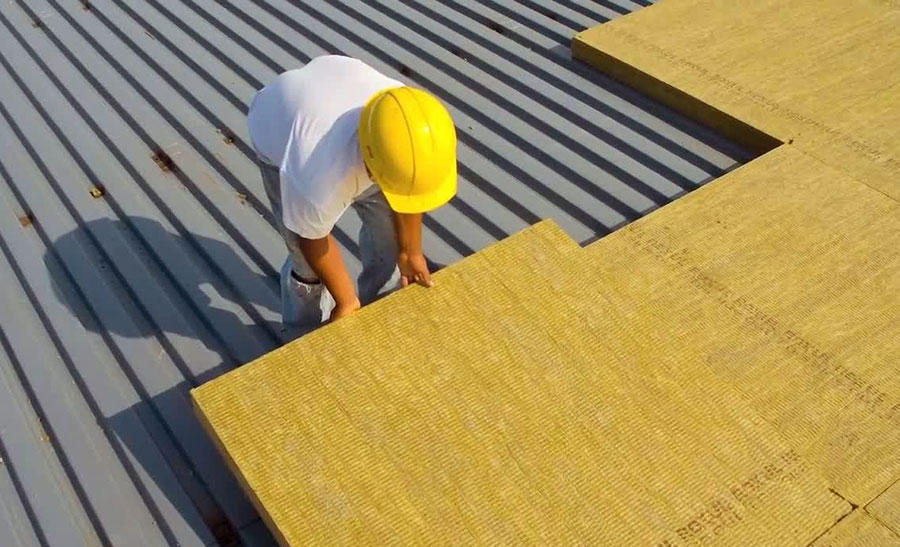
Thermal insulation is the use of special materials in construction that have the ability to reduce heat leakage and transfer from outside the building to inside in summer, and from inside to outside in winter. Thermal insulation
Benefits of thermal insulation
insulation provides many benefits, including reducing electrical energy consumption in air conditioning and heating, and protecting the building from external weather changes.
Thermal insulation for roofs of houses and buildings of all kinds provides many benefits, including reducing electrical energy consumption in air conditioning and heating, and protecting the building from external weather changes. Buildings that are not thermally insulated are quickly and directly affected by external temperatures, which makes the temperature inside the building unstable, and therefore the furniture is negatively affected if there is no proper cooling inside the dwelling.
Thermal insulation of the roofs of houses and buildings has many benefits, including reducing the consumption of electrical energy for air conditioning and heating, as well as protecting the building from external weather changes.
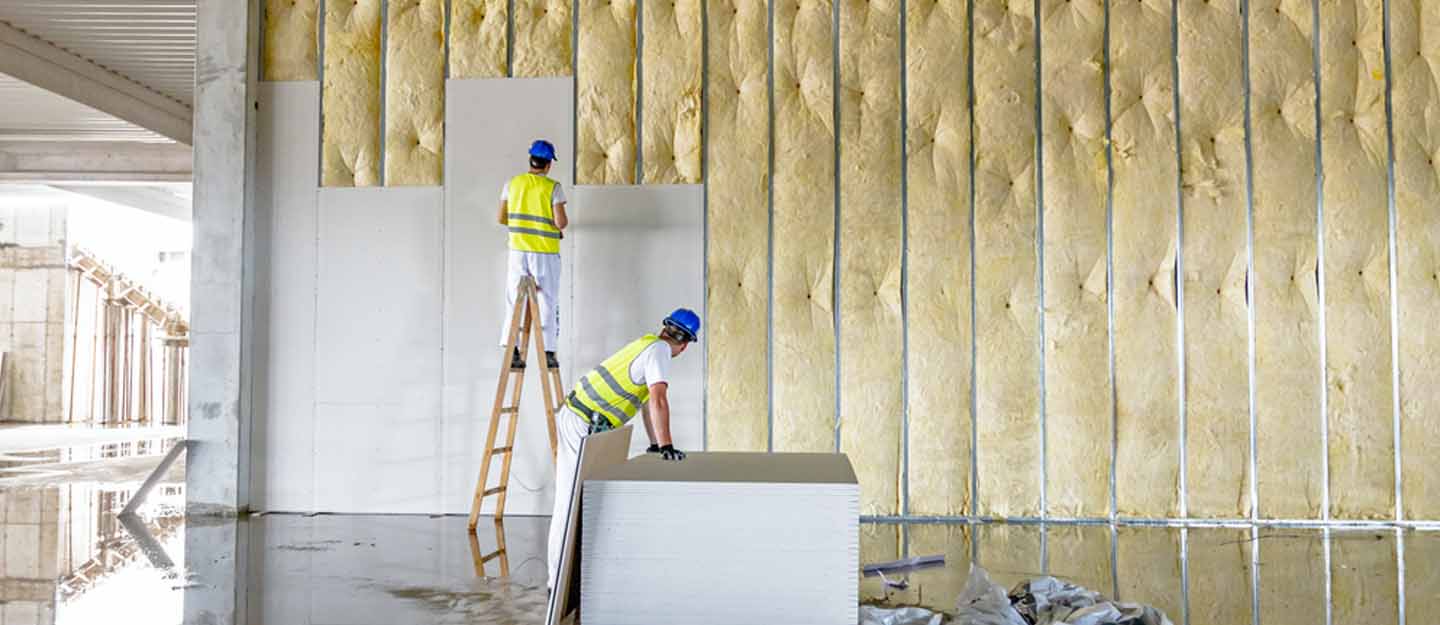
Among the benefits provided by thermal insulation is also fire resistance, as the finest types of thermal insulation are characterized by their tremendous ability to resist fire and high temperatures, and it also protects the environment, as the use of thermal insulation reduces the emission of gases harmful to the environment resulting from the combustion of energy needed to operate refrigeration and air conditioning devices.
Types of thermal insulation
Materials of thermal insulation for walls and surfaces vary in terms of manufacturing method, properties and price, but the chosen material must be suitable for the environment in which it will be used, and these materials include:
Materials of animal origin: These insulators are manufactured from the wool and hair of animals, and their use is limited as insulation materials.
Materials of inanimate objects: Glass wool is one of the best types of thermal insulation materials for roofs and walls.
Manufactured insulation materials: Rubber, foam plastic, polystyrene and foamed polyurethane.
Rubber, foam plastic, polystyrene and foamed polyurethane.
Insulation materials of plant origin: These are cellulosic materials and fibers, such as reeds and cotton. The forms of thermal insulation materials vary between felt, light filler granules, spray foam and rigid foam, with felt available in long rolls of varying thicknesses.