
Saudi Arabia has recently seen a significant increase in residential rental prices, which has become a challenge for many families and residents across the Kingdom. The reasons for this increase are numerous and vary, ranging from economic and demographic factors to government policies. In this report, I will provide an analysis of these causes, drawing on data and figures released by the Saudi Statistics Authority.
Reasons for the Rise in Residential Rent Prices
- Increased Demand for Housing
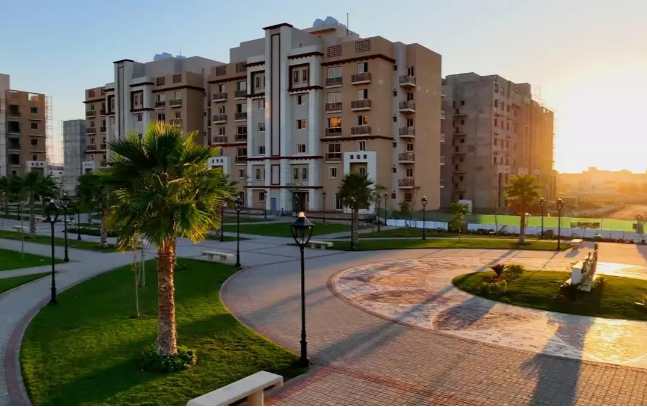
- The Kingdom is experiencing continuous population growth due to an increase in the number of local residents and expatriates. This growth has led to increased demand for housing units, particularly in major cities such as Riyadh, Jeddah, and Dammam.
- According to data from the Saudi Statistics Authority, major cities have seen an increase in the number of households, which has led to higher demand for housing and rising rental prices.
- Infrastructure Projects and Real Estate Development
- The Kingdom is currently implementing numerous large-scale infrastructure projects, such as the NEOM and Al-Qiddiya projects, as well as massive housing projects aimed at improving quality of life. These projects have attracted a large number of expatriate workers and their families, leading to increased demand for residential rentals in areas near these projects.
- In addition, the government has developed new areas and improved facilities and services in existing cities, leading to an increase in land and real estate prices and, consequently, higher rental rates.
-
Rising construction costs
- The rise in the costs of construction materials and land has contributed to higher costs for developing new residential units, which in turn has affected rental prices.
- According to data from the Saudi Statistics Authority, prices of construction materials have seen significant increases in recent years, raising the cost of building new residential units.
- Economic shifts and government policies
- The Kingdom is striving to achieve Vision 2030, which aims to diversify the economy away from oil. This shift has attracted significant investment in the real estate sector, contributing to higher land and property prices and, consequently, higher rents.
- Furthermore, the imposition of additional fees on expatriate workers and the implementation of value-added tax on real estate services have contributed to higher rental costs for residents.
Complaints About Rising Rents
A number of tenants have complained about the rise in rent prices in Riyadh, expressing their concerns that the increases will continue, according to a report published by Al Arabiya TV. According to Al Arabiya, Riyadh continues to see a significant rise in apartment and housing rents, amid fears that this trend will continue in the coming period.
One tenant said during an interview broadcast on Al Arabiya that current rents are high compared to last year and vary from one area to another. He added that most of the property owners“ justifications for raising rents are unfounded, noting that some link the price increase to the construction of nearby projects or compare their rates to those of other landlords.
Another tenant said that rents are set according to market conditions, explaining that rents are rising in the north of the Kingdom in particular, due to population growth and increased demand for rentals.
Meanwhile, one tenant said that rents have risen compared to the past two years, while a landlord attributed this increase to population growth, the expansion of businesses, and rising demand for rental properties.
For his part, Omar Al-Awlaki, CEO of Satel Real Estate, said there are three main factors behind the rise in rents: a large influx of tenants from outside the Kingdom; companies and landlords developing their projects and services; as well as a rise in arbitrary rental rates in the market.
Apartment rents in Riyadh… Continuing to rise, with concerns that the sharp increase will persist
Via: @bandar__W pic.twitter.com/1Ta1Ydh3gI— Saudi Arabia (@AlArabiya_KSA) August 3, 2024
Data from the Saudi Statistics Authority on rental prices
The the General Authority for Statistics that actual residential rents rose by 11.1% during the month of July. This increase was driven by a rise in apartment rents, which rose by 12.0%.
In its monthly Consumer Price Index bulletin, the Authority noted that this increase in rents had a significant impact on the continued pace of inflation, given the substantial weight of the housing category in the consumer basket, which stands at 21.0%.
The report also showed that the rise in rent prices is due to increased demand for housing units in urban and suburban areas, particularly as many families are moving to more developed and comfortable neighborhoods.
Future Outlook
Rent prices are expected to continue rising in the short term, particularly as major projects continue to be implemented and demand for housing increases. However, government policies aimed at increasing the supply of residential units may lead to price stabilization in the long term.
In conclusion, the rise in rental prices in Saudi Arabia is the result of a combination of economic factors and government policies, which requires the relevant authorities to take measures to increase supply and provide affordable housing solutions for families and residents.