
The real estate sector in the GCC saw a dynamic year in 2024, with property prices increasing significantly due to high demand in the hospitality and retail sectors. The influx of international visitors to the UAE, Saudi Arabia and Qatar boosted tourism and retail performance, while office space maintained high occupancy rates. Experts expect this trend to continue in 2025, according to the AGBI report.
Saudi Arabia: Real estate growth with housing challenges
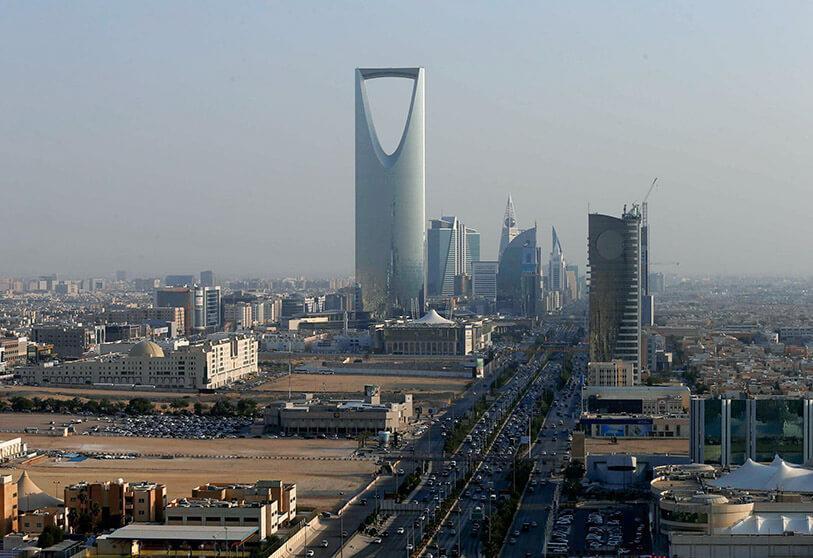
The Vision 2030 program has contributed significantly to reshaping the Saudi real estate market, with Riyadh seeing a 31% increase in residential unit sales during the third quarter of the year, as a result of an increased influx of expatriate workers with economic growth.
Riyadh saw a 31% increase in residential sales during the third quarter of the year. <Freehold apartments and affordable housing projects have also been very successful, especially those implemented by the National Housing Company (NHC). Despite rising land prices and construction costs, villa and apartment prices in Riyadh recorded increases of 5% and 4% respectively. <The office sector also saw a rise in occupancy and an increase in rents due to limited supply, while the hospitality sector flourished thanks to a 27% increase in international visitors between January and September. However, malls in non-central areas have struggled to meet rising demand.
Malls in non-central areas have struggled to meet rising demand. According to Emad Damra, executive director of Colliers in Saudi Arabia, demand for mid- to high-end housing and premium offices is expected to continue as the population increases and multinational companies are attracted to Riyadh.
According to Emad Damra, executive director of Colliers in Saudi Arabia, demand for mid- to high-end housing and premium offices is expected to continue.
UAE: Historic year in the real estate market
The UAE's real estate market exceeded expectations during 2024, achieving record levels of transaction volume and property prices, especially in Dubai and Abu Dhabi. Dubai set records in home sales, mortgage applications, and prices for office and warehouse space, with off-plan properties being the most heavily traded in the market, according to the CBRE MarketView Report.
In Abu Dhabi, real estate sales surged. In Abu Dhabi, sales of finished properties increased by 51.1% in the third quarter year-on-year, office space prices increased by 15.3%, while rents in central areas saw a rise of 25.6%, according to ValuStrat Research Report.
In Ras Al Khaimah, sales of ready-made properties increased by 51.1% in the third quarter year-on-year, and office space prices increased by 15.3%. In Ras Al Khaimah, the development of the Wynn tourist resort has contributed to increased construction activity, cementing the emirate's position as a new and growing tourist destination.
Qatar: Stabilization with mixed performance
Qatar's real estate market remained stable in 2024, with a growing gap between luxury and lower-priced properties. Luxury offices, high-end apartments, and luxury shopping malls saw strong demand, while older properties suffered a decline in occupancy rates.
Despite the interest rate hike, Qatar's real estate market remained stable in 2024, with the gap between luxury and lower-priced properties increasing. Despite higher interest rates at the beginning of the year, the market saw strong mortgage activity in the first half, which gradually declined in the third quarter as interest rates declined.
For the tourism sector, the market saw strong demand for luxury offices, high-end apartments and luxury shopping centers, while older properties suffered from lower occupancy rates. In the tourism sector, Qatar's hospitality performance has improved thanks to projects such as Samisma, and the establishment of the Real Estate Regulatory Authority and the modernization of property laws are expected to attract more foreign investment in 2025.
With regard to the tourism sector, Qatar's hospitality performance has improved significantly thanks to projects such as Samisma.
Oman: A mixed market
Oman's real estate market faced challenges during 2024 due to the impact of high interest rates on real estate activity, resulting in apartment prices declining by 13% year-on-year, while villa prices saw a slight increase of 2.5%.
However, analysts are optimistic about the future of the Sultanate's real estate market, citing the improved investment climate and the Sultanate's attractiveness to expatriates.
Analysts are optimistic about the future of the real estate market in the Sultanate.
Bahrain and Kuwait: Mixed real estate trends
In Bahrain, real estate transactions recorded an increase of 18% in the third quarter, indicating a market recovery despite oversupply. But Bahrain faces stiff competition from the UAE and Saudi Arabia, reducing its status as a financial center. <In Kuwait, housing affordability has emerged as one of the main challenges, prompting the government to impose restrictions on home ownership. Although residential real estate sales improved in the third quarter, prices continued to fall for the sixth consecutive quarter. National Bank of Kuwait data indicated that real estate prices in Kuwait City are among the least affordable in the Gulf, while commercial real estate sales declined after a strong performance in the second quarter.
National Bank of Kuwait data indicated that real estate prices in Kuwait City are among the least affordable in the Gulf, while commercial real estate sales declined after a strong second quarter performance.
Future Outlook: Continued growth despite challenges
As we enter 2025, growth is expected to continue in high-demand sectors such as tourism, luxury offices, and high-end housing, despite global economic challenges and changing consumer behavior. Governments in the Gulf countries are seeking to boost investment in non-oil sectors and increase the attractiveness of real estate markets for foreigners and locals alike.