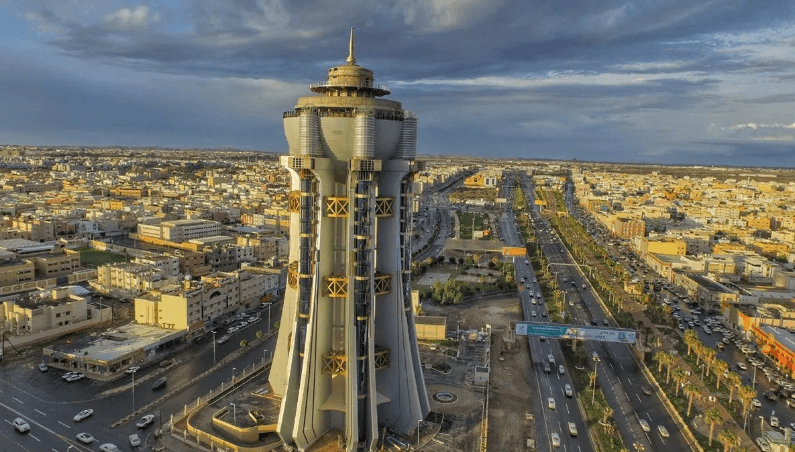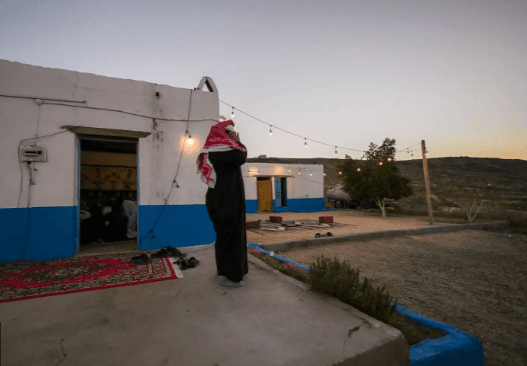

يستعيد عددٌ من أهالي منطقة الباحة أجواء الإفطار الرمضاني في البيوت القديمة، في مشهدٍ يعكس عمق الارتباط بالتراث العمراني، ويجسد روح البساطة التي عاشها الآباء والأجداد؛ إذ تتحول المنازل التراثية إلى فضاءاتٍ نابضة بالذكريات، تستحضر ملامح الحياة القديمة بما تحمله من قيمٍ اجتماعية وأصالةٍ معمارية.
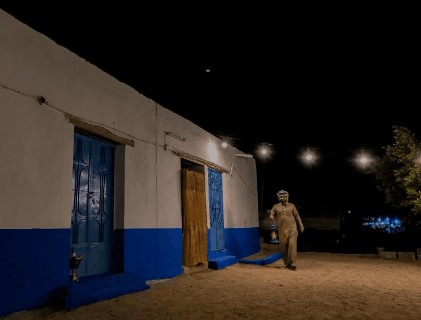
وتُعدّ البيوت الحجرية والطينية في محافظات المنطقة، ومنها محافظة العقيق، نموذجًا للعمارة التقليدية التي اعتمدت على مواد طبيعية كالطين والحجر والخشب، ويتوسطها “الحوش” أو الفناء الداخلي، الذي كان يجمع أفراد الأسرة وقت الإفطار في أجواءٍ يلفّها الصفاء والطمأنينة.
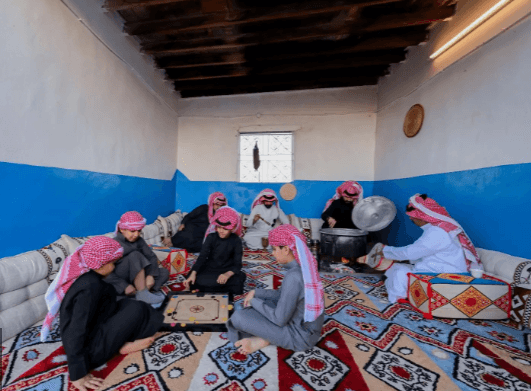
ويقع المنزل الذي استعاد أصحابه أجواء الإفطار الرمضاني في قرية ليف بمحافظة العقيق بمنطقة الباحة، وهو أحد المنازل التراثية التي تحظى بتقدير المجتمع المحلي لقيمتها التاريخية والمعمارية.
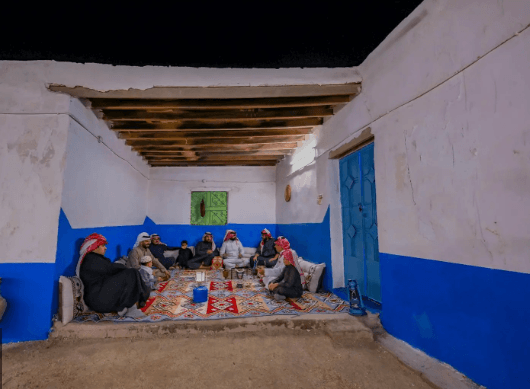
وأوضح المواطن محمد بن عايض الغامدي أنه أعاد تأهيل بيت أسرته القديم، الذي بُني قبل أكثر من (40) عامًا، مشيرًا إلى أنهم كانوا يعتمدون على “الأتريك” والفوانيس للإنارة قديمًا، وقال: “كان إفطارنا بسيطًا، يتكوّن من القهوة السعودية والتمر واللبن والخبزة، نجتمع في فناء المنزل، وتتعالى أصواتنا بالدعاء قبيل أذان المغرب، في مشهدٍ لا يُنسى”، مؤكدًا أن ترميم البيوت القديمة يُعد حفاظًا على الهوية والتراث العمراني، وصونًا لذاكرة المكان وقصص أهله، وفقاً لوكالة الأنباء السعودية «واس».
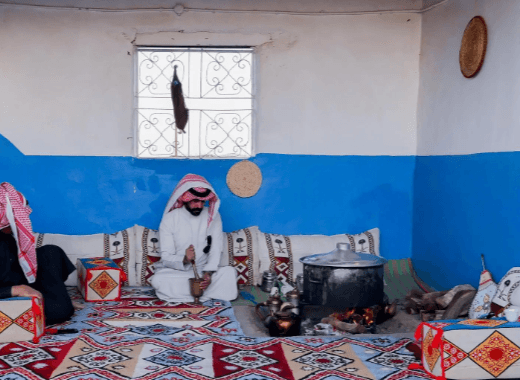
ونوّه الغامدي بأن إعادة تأهيل هذه المنازل تسهم في إبراز الطابع المعماري الأصيل الذي تتميز به منطقة الباحة، وتدعم السياحة الثقافية، وتعزز ارتباط الأجيال بتاريخهم، مبينًا أن البيوت القديمة تحمل روحًا خاصة لا تشبهها المباني الحديثة؛ فهي ليست مجرد جدرانٍ وسقوف، بل ذاكرة حيّة تختزن تفاصيل الزمن، ونبض العائلة، وأصوات الضحكات التي كانت تتردد في أروقتها.
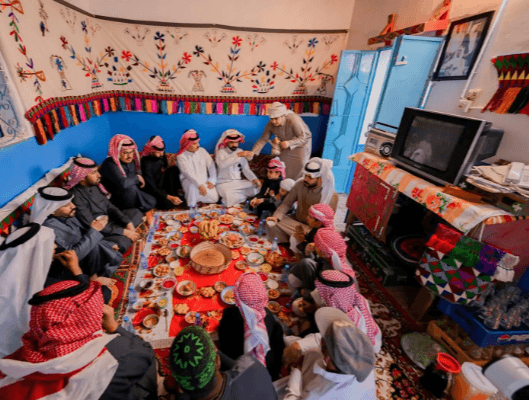
ويؤكد مختصون في التراث العمراني أن المحافظة على هذه البيوت تمثل رافدًا ثقافيًا وسياحيًا مهمًا؛ إذ تسهم في إبراز الهوية المحلية، وتوثيق أنماط الحياة الاجتماعية التي شكّلت ملامح المجتمع في المنطقة، خاصة خلال شهر رمضان المبارك، الذي تتجلى فيه قيم التآلف والتكافل.
وتظل البيوت القديمة في الباحة شاهدًا حيًا على مرحلةٍ تاريخيةٍ مهمة، ومصدر إلهامٍ للأجيال الجديدة لاستحضار معاني البساطة والأصالة، وترسيخ الاعتزاز بالموروث الوطني في مختلف المناسبات.