

During the holy month of Ramadan , lifestyles within the home change as those fasting spend more time resting and worshipping, increasing the need for a more comfortable and peaceful home environment. With increased resource consumption during this month, considering sustainable solutions becomes essential to minimize waste and create a balanced environment that contributes to the well-being of family members. So, how can you adapt your home to be more comfortable, refreshing, and sustainable during this blessed month?
- Comfortable home design for those fasting
The design of the house greatly affects the comfort of those fasting, so it is important to make some adjustments that help create a calm and comfortable atmosphere, such as:
Choosing seating areas carefully: Providing comfortable seating in the corners of the house with supportive cushions makes rest and relaxation times more enjoyable.
Creating a special space for worship and meditation: allocating a quiet corner for prayer and reading, with dim lighting and a spiritual atmosphere that promotes focus and reverence.
Organize the kitchen intelligently: Arrange cooking utensils in a way that makes meal preparation easier, thus reducing stress during the fasting period.
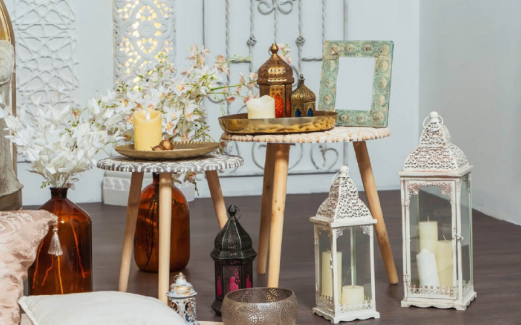
- The importance of ventilation and natural lighting
Good ventilation and natural lighting are essential for creating a comfortable home, especially during Ramadan when people spend more time indoors. This can be achieved through:
Open the windows in the morning to refresh the air and lower the temperatures inside the house.
Use light-colored curtains to reflect sunlight and provide natural lighting without increasing the heat.
Adding indoor plants helps purify the air and promotes a feeling of freshness and tranquility.
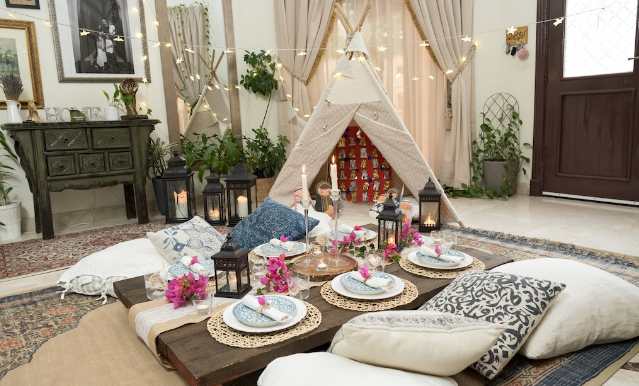
- Sustainable solutions to reduce resource consumption
Excessive water and energy consumption during Ramadan leads to higher bills and negatively impacts the environment, so more sustainable methods for conserving resources can be adopted, such as:
Use energy-efficient lighting such as LED lamps, which provide sufficient illumination with the least possible consumption.
Reduce water consumption by using water-saving taps and minimizing waste when cooking or cleaning.
Recycling waste, especially kitchen waste, helps reduce waste and make better use of leftover food.