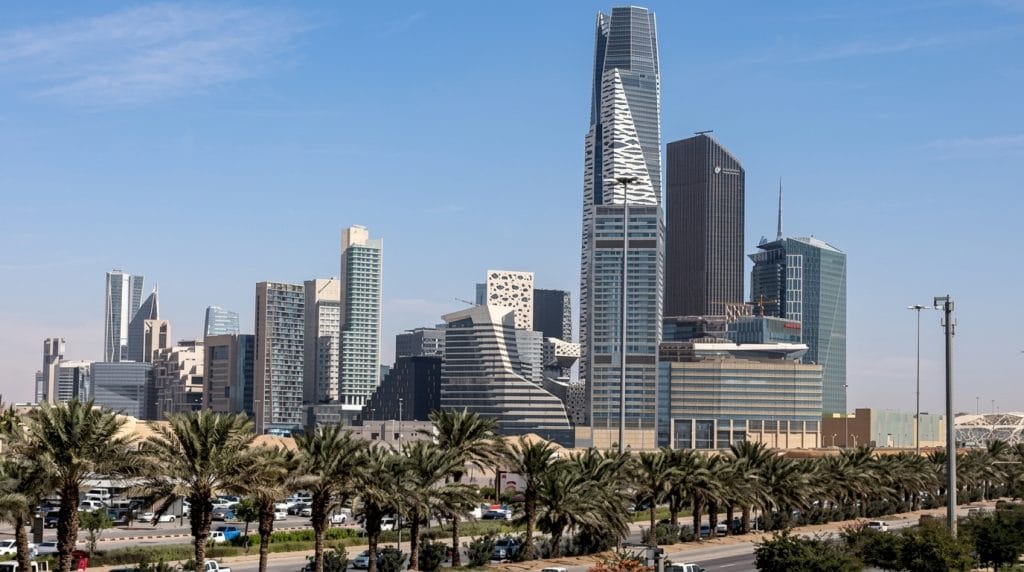
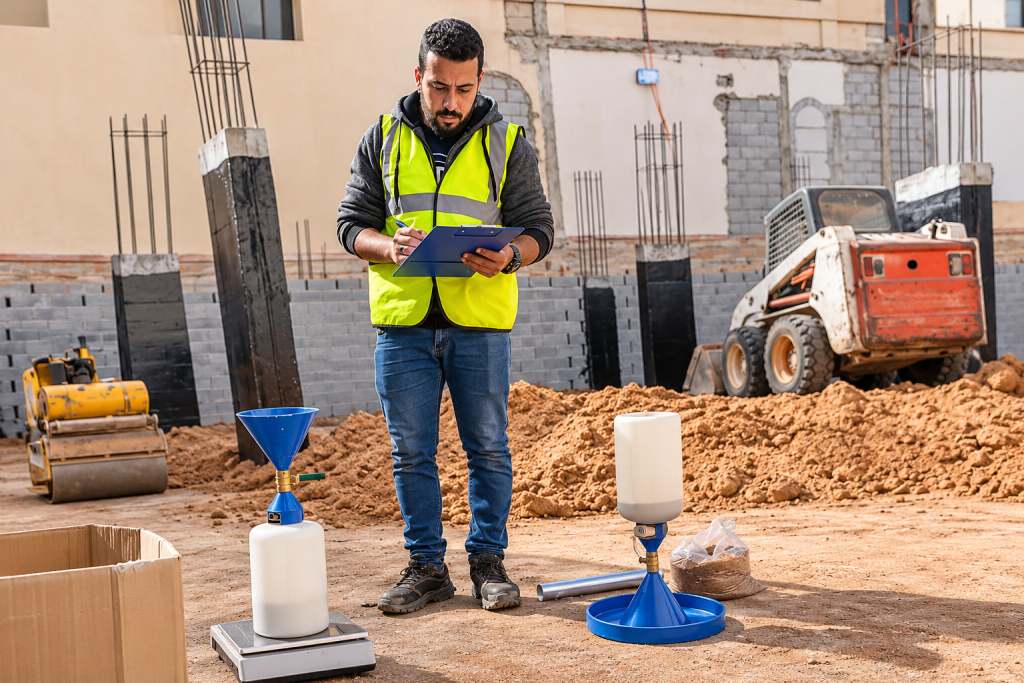
Saudi Arabia is witnessing a massive construction boom driven by Vision 2030, which aims to develop an integrated urban environment that combines high-quality construction with aesthetically pleasing design. In this context, we consulted a number of experts and specialists in the finishing and contracting sectors to understand how to achieve the delicate balance between quality and beauty, and to identify the most significant challenges facing the market.
Experts agree that the success of finishing projects depends on striking a balance between the quality of materials, adherence to the schedule, and cost control.
They also emphasize the importance of having a clear design vision from the outset, along with selecting qualified personnel, designers, and contractors capable of implementing it realistically and efficiently.
Abdul Latif Hijazi: Creative design is the gateway to excellence in finishing.

Abdul Latif Omar Hijazi, project manager for SNC Contracting, believes that achieving a balance between aesthetics and quality requires adopting creative design concepts that utilize high-quality, unconventional materials. He explains that innovative and unconventional designs give spaces both an artistic and functional dimension, making them more attractive and inspiring.
Hijazi emphasizes the importance of executing construction work according to sound principles, stressing the necessity of effective cooperation and coordination among all stakeholders, from the interior designer and architect to the construction teams and workers, and finally to the site engineer. He affirms that this coordination ensures a unified vision for the project, which ultimately translates into higher quality and more precise finishes, satisfying all parties involved.
He emphasizes that finishing work is not a separate phase from construction; rather, the project is viewed as a single, integrated unit. He explains that he oversees the project from the moment excavation begins until the keys are handed over, stressing that the success of the finishing work is closely linked to the structural integrity and quality of execution from the outset. He believes that a lack of coordination between the structural and finishing plans leads to significant errors and additional costs.
He acknowledges that the market is already facing a shortage of skilled and experienced workers, especially given the continuous development in the design and finishing sector. He explains that the trend towards modern, unconventional designs and the emergence of new materials have made it imperative for those working in the field to acquire new skills to keep pace with rapid innovations.
Hijazi concludes his remarks with advice for clients, emphasizing that the first and most important step in any project is choosing the right designer—one capable of realistically bringing the client's ideas to life, while taking into account available resources. He cautions against opting for imported designs that may not be compatible with the local environment and culture.
He also emphasizes the importance of carefully selecting the contractor and supervisor, stressing that success is linked to the triad of “cost – time – quality”, and that the balance between these elements is the key to the success of any project.
Samir points out: Quality materials and a single source are the keys to success.

For his part, Haitham Samir of the Comex Industrial Group points out that achieving quality in finishing depends largely on using a single supplier, ensuring that paints and fillers come from the same company to avoid any problems that might arise from incompatibility between different materials. As for the aesthetic touch, Samir sees it as a direct reflection of the client's taste and personal preferences, giving them the freedom to choose colors and designs that suit their vision, thus achieving a balance between quality and beauty.
Samir explains that ready-made finishing works, such as interior and exterior cladding, are among the most prominent elements that add a clear aesthetic touch. He points out that there are companies specializing in cladding design that meets the specific requirements of each project according to the client's vision.
He believes that finishing work is typically separate from the main construction, explaining that there is a specialized team for each stage. While the construction team handles the basic building, another specialized team handles the finishing work. He considers this separation to ensure that every aspect of the project is executed by specialized professionals, which contributes to a higher final quality.
He emphasizes that the shortage of skilled labor poses a real challenge, explaining that relying on untrained workers often leads to errors that require correction later, thus increasing costs and extending project duration. Therefore, he believes that selecting skilled labor from the outset is essential to ensuring quality execution.
Nour Ahmed: Quality begins with managing and protecting resources.
 Nour Ahmed, Quality Manager at Komati, confirms that this balance depends on good management of the resources used in finishing and taking care of them throughout the work stages.
Ahmed believes that the timing of each phase is crucial for success, emphasizing the need to provide adequate protection for glass and delicate surfaces to prevent any damage. He also stresses that entrusting the project to experienced and competent individuals is a critical factor in achieving satisfactory results.
Nour Ahmed emphasizes that the final finishes cannot be separated from the building's basic structure; rather, the construction is the foundation upon which the success of the finishing rests. The more precise and sound the construction work, the higher the quality of the final finishes.
He acknowledges that the shortage of skilled labor is one of the most prominent challenges, considering that the availability of trained labor is the cornerstone for ensuring the quality of finishes, as well as their contribution to completing the work efficiently and professionally.
Mohammed Abu Azizah: Green Building and Healthy Finishes

Mohammed Abu Azizah, Specifications Manager at National Paints, believes that aesthetics are directly linked to the client's personal taste, allowing them to choose colors and designs that reflect their personality. Quality, however, is the responsibility of the implementing companies. He explained that the finishing products used must be environmentally friendly and healthy to ensure the safety of residents, in line with the Kingdom's Vision 2030.
Abu Aziza emphasizes that the role of paints is not limited to the aesthetic aspect only, but extends to protection, as the layers of paint provide effective protection for different surfaces.
He explains that the company offers the latest types of interior and exterior paints, with a wide range of colors that give the customer freedom of choice. The products are also characterized by high adhesion and resistance to heat and dust, ensuring a long lifespan.
He adds that the Kingdom is currently adopting green building standards (LEED), which mandate reducing or eliminating lead in paints used, thus contributing to reducing harmful emissions and promoting environmental sustainability.
Mazen Zeidan : Breaking the barrier of traditional work and stepping outside the norm

For his part, Mazen Zeidan, Operations Manager at Art Glass, confirmed that they are working to break the barrier of traditional work and go beyond the norm, and pointed to the partition design technique; explaining that the glass may initially look traditional, but we combine glass fusion and engraving techniques to create more beautiful and creative designs.
Zaidan explained that the Arab region still retains some traditional character, despite the presence of new ideas in the development of homes, hotels, and villas, especially bedrooms. He added, "We work on taking clients' ideas and developing them in a better way, and the group works with various types of glass, such as glass blending, engraving, painting, and printing." Zaidan further stated that they move beyond traditional concepts to achieve new aesthetics.
Regarding the building reaching its final form, Zidan said: “We must communicate with the engineer or the homeowner to achieve an idea that meets our expectations and satisfies them at the same time. The goal is to reach a design that makes us proud of our work, and also reflects the beauty of the house and the comfort of its owners.”