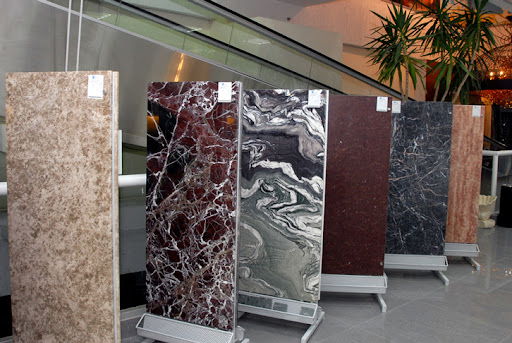

But which of these options is the best? What are the key differences between them in terms of price, durability, maintenance, and appearance? This report provides a detailed comparison to help you make the right decision based on your budget, needs, and lifestyle.
This report provides a detailed comparison to help you make the right decision based on your budget, needs, and lifestyle.
Porcelain: High durability and modern elegance
Features:
Excellent water and moisture resistance, making it suitable for kitchens and bathrooms.
Very hard, withstands heavy daily use.
Wide variety of designs, can resemble marble, wood or even concrete.
Wide variety of designs, can resemble marble, wood or even concrete.
Wide variety of designs, can resemble marble, wood or even concrete.
Resistant to scratches and stains and easy to clean.
Resistant to scratches and stains and easy to clean.
Disadvantages:
Cold and hard to the touch compared to other types of flooring.Relatively heavy <Relatively heavy and needs professional installation.
If broken, it is difficult to repair and requires replacing the entire slab.
Price:
The price per square meter of porcelain ranges from medium to high, depending on quality and brand.
Marble: Unlimited luxury at a high cost
Features:
Gives an unparalleled luxurious and sophisticated look. <A natural material that adds a touch of luxury to spaces. Cools in hot climates, making it an ideal choice in the Gulf countries.
Cools in hot climates.
Disadvantages:
Sensitive to stains and acids (such as vinegar or lemon juice), and requires special care.Sensitive to stains and acids (such as vinegar or lemon juice), and requires special care. Prone to scratching and slipping, especially when wet.
Needs regular maintenance. <Needs regular maintenance and polishing to maintain its shine.
Price:
It is one of the most expensive types of flooring, both in terms of material and the cost of installation and maintenance.
Natural Wood: Warmth and traditional elegance
Features:
Provides visual warmth and a comfortable walking texture.
Natural Wood: Warmth and Traditional Elegance
Ideal for bedrooms and living rooms, increases property value.
Good sound insulation. Good sound and heat insulation.
Good sound and heat insulation.
Disadvantages:
Sensitive to water and moisture, and may expand or contract.
Prone to scratches and requires periodic polishing. <Not suitable for heavy-use areas without special treatment.
Price:
Relatively expensive, especially if it is a natural hardwood species (such as oak or beech).
Vinyl: The flexible, economical solution
Features:
Good water resistance, suitable for kitchens and bathrooms.
Easy to install and can be laid over old flooring.
Easy to install and can be laid over old flooring.
Soft underfoot and non-slip, making it safe for children and the elderly.
Soft underfoot and non-slip, making it safe for children and the elderly.
<Available in many designs that mimic wood or stone.
Disadvantages:
Less durable than porcelain and wood, and may scratch over time.
<Doesn't reflect the luxury of marble or the naturalness of wood.
If damaged, it is difficult to repair a small section without replacing an entire slice.
Price:
One of the least expensive options, making it a favorite for those on tight budgets or rental projects.