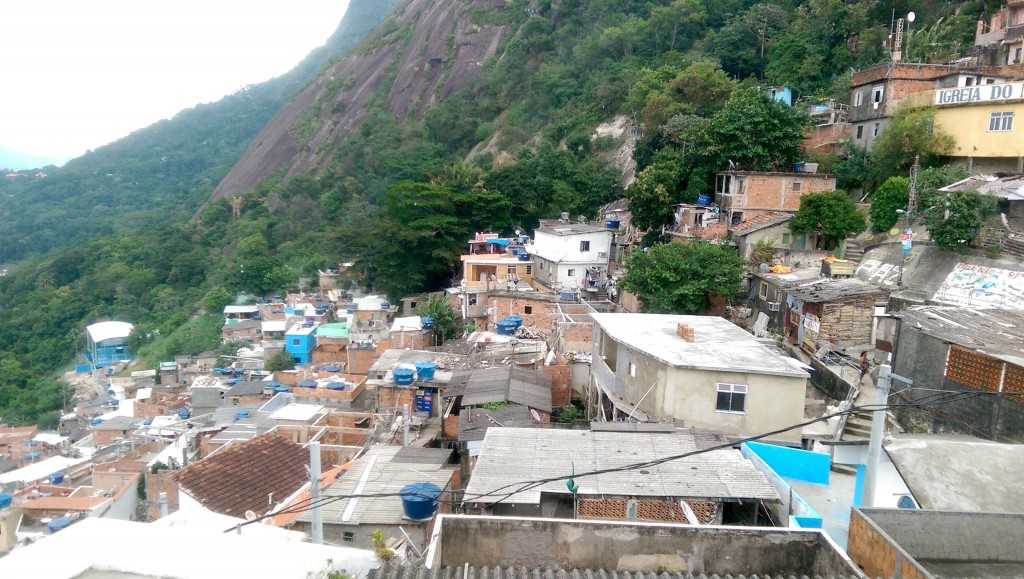

A report by United Nations Human Settlements Program reveals that about 2.8 billion people around the world do not enjoy the right to adequate housing, posing a major challenge to achieving sustainable urban development. Of these, more than 1.1 billion people live in slums or slums, indicating that 90% of these populations are concentrated in Africa and Asia, where there is an estimated shortage of 170 million housing units.
The report emphasized that more than 1.1 billion people live in slums or slums, indicating that these regions have an estimated 170 million housing units. Anna Claudia Rossbach, Executive Director of the program, said that climate change, armed conflicts and natural disasters remain among the most prominent factors that cause the displacement of millions of people and push them to seek safer and more stable places to live, adding that 318 million people in the world do not have shelter at all, a figure that is almost equal to the population of the United States.
Anna Claudia Rossbach, Executive Director of the program, said that the crisis did not stop there. <One in four people around the world live in housing conditions that are detrimental to their health, safety and well-being, according to the report. 141TPI also found that 141TPI's report showed that one in four people around the world live in housing conditions that harm their health, safety and well-being. It also showed that 14% urban dwellers and 40% rural dwellers do not have access to safe drinking water, while two out of five people lack access to adequate sanitation services.
The report pointed out that the crisis does not stop at homelessness, but goes beyond it to a crisis of basic services that threaten public health. The report notes that the absence of managed and safe sanitation is not only an indicator of poor development, but also a direct factor in the spread of disease, poverty and premature death, emphasizing that improving infrastructure for basic services must be at the center of international efforts to achieve inclusive and sustainable development.
In the face of this crisis, two in five people lack access to adequate sanitation. In the face of this escalating crisis, Rossbach called for rethinking current urban policies, modernizing land use laws, and providing sustainable financing that prioritizes housing and basic services, not only for social reasons, but also as a necessary step to address the consequences of climate change.
The UN report predicted that at least 2 billion urban dwellers will be exposed to extreme temperatures by 2040 if climate change continues without effective interventions, which will further complicate the housing crisis and worsen living conditions in urban areas.
In this context, the UN report adopts a number of measures to modernize land use laws and provide sustainable financing that prioritizes the issue of housing and basic services, not only for social reasons, but also as a necessary step to confront the consequences of climate change. In this context, the Assembly of UN-Habitat Member States adopted the new UN-Habitat Strategic Plan for 2026-2029, which will focus on promoting access to adequate housing, land and basic services such as water and sanitation as essential pillars for social equity and environmental and economic development.
In this context, the Assembly of Member States adopted the new UN-Habitat Strategic Plan for the period 2026-2029.








