
Real Estate That Crosses Borders… When Development Becomes a Regional Project
In recent years, discussions about real estate expansion have no longer been limited to the size or area of projects; rather, they have come to focus on the nature of this expansion—whether it brings added value or is merely a shift of capital from one market to another. What we are witnessing today—the shift of certain real estate ventures from Saudi Arabia to Egypt—reflects a significant transformation in the traditional concept of regional real estate investment.
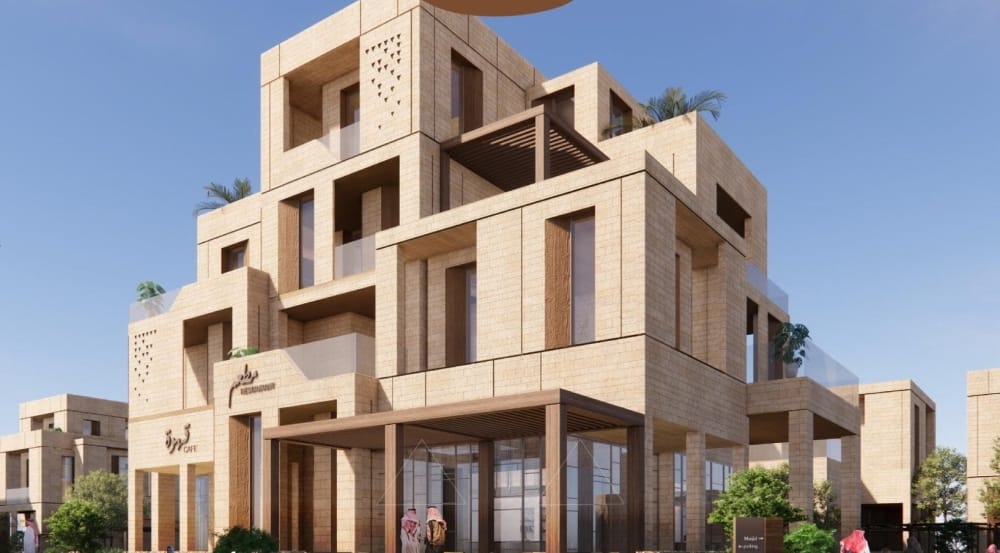
The real estate developer is no longer merely «a seller of units,» but has become a partner in Shaping the Urban Environment, and in managing quality of life within new cities. I observed this clearly in the experience of a Saudi company expanding into the Egyptian market; it did not merely construct buildings, but also brought with it an integrated model combining urban planning, facility operations, and the provision of comprehensive services—an approach that reflects a high level of maturity in understanding the relationship between «investment and development.»
It is noteworthy that this initiative did not target traditional cities but instead focused on modern urban centers such as the Administrative Capital and Sheikh Zayed City. This is an indication of a strategic awareness of the need to contribute to shaping the future of urban development, rather than merely dealing with densely populated or urban-saturated areas.
Most importantly, in my view, is the establishment of specialized operational entities that oversee the sustainability of services—a move that breaks with the notion of «walking away after handover” and lays the foundation for a long-term relationship between the developer and the community. Here, real estate transforms from mere fixed assets into lifestyle systems based on management and governance.
Another aspect worth considering is connecting Arab communities abroad—particularly Egyptians in the Gulf—with high-quality investment opportunities in their home countries. This has reshaped channels for grassroots investment and linked them to projects based on high quality and a reliable operational track record.
Although this initiative is individual in name, it carries a collective dimension in its significance. It opens the door to a model of Arab integration in development, where expertise flows from a mature market to an emerging one, and urban partnerships are built on professionalism rather than courtesy, and on quality rather than quantity. At a time when cities are competing to attract investment, it appears that genuine Arab cooperation may find its way through the real estate sector, provided it is supported by a developmental mindset, an operational will, and an awareness that cities are built not by concrete alone, but by vision.
Economic Journalist