
Saudi Arabia has made significant progress in the transformation towards smart cities and has laid a strong foundation of strategies and initiatives that have been translated into reality in major cities today, with figures indicating a rapid growth in the size of the smart city market and investments within the Kingdom, in implementation of the Vision 2030 strategy.
Smart Cities in Saudi Arabia.
Smart Cities in the Kingdom
The Kingdom aims to make Saudi cities smart in terms of services, community engagement, governance, and urban planning. In 2022, the Kingdom adopted a smart cities strategy that aims to transform municipal and community services into smart services through digital technologies.
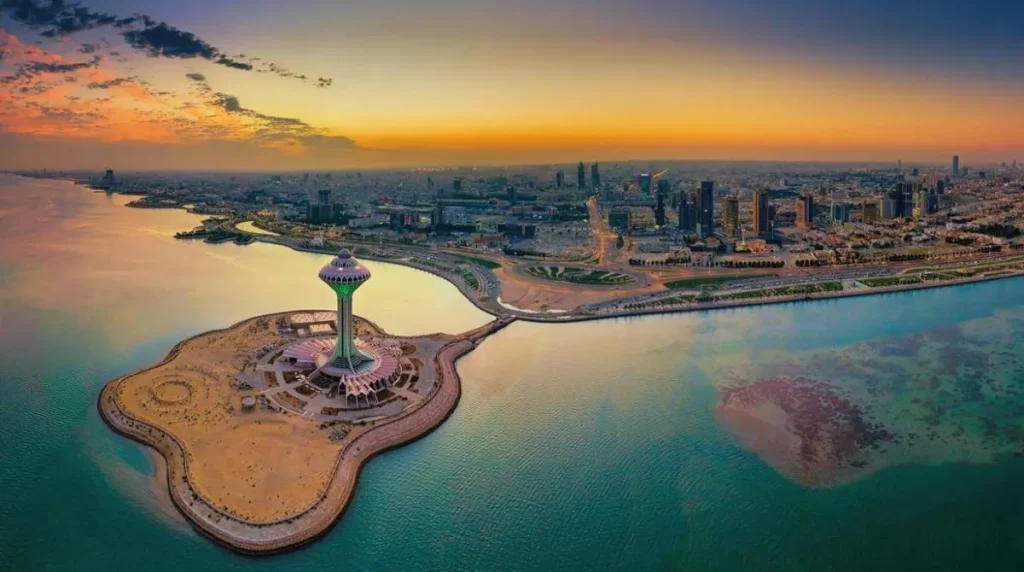
According to the Saudi Smart Cities Index. According to the “IDM” Global Smart Cities Index for 2024, 5 Saudi cities have risen in the global ranking, namely Riyadh, Makkah, Jeddah, Medina and Al-Khobar, with Riyadh ranking 52nd globally, up 5 places compared to the previous year, Makkah maintained the same rank, Jeddah ranked 55th, and Jeddah advanced.Madinah advanced to 74th place globally from 85th place, and Khobar was ranked 61st globally, making AlUla join the list of smart cities for 2025, bringing the number of smart cities in the global index to 6 cities.
Economically. Economically, the smart city market in Saudi Arabia is expected to rise from $22.2 billion in 2025 to $112 billion by 2023, and according to the Ministry of Municipalities and Housing, they are targeting at least 10 Saudi cities to be ranked among the top 50 global smart cities.
Smart cities contribute to improving the quality of life for citizens by providing integrated digital services and introducing artificial intelligence in city management, making it easier to monitor faults and organize traffic, in addition to living in a smart city provides citizens with a cleaner and healthier environment and an increased sense of security.
Smart cities contribute to improving the quality of life for citizens by providing integrated digital services and introducing artificial intelligence in city management, making it easier to monitor faults and organize traffic.