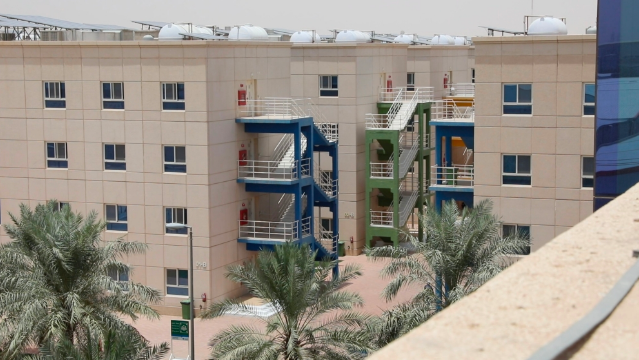
Real estate prices in Saudi Arabia recorded a significant decline during the fourth quarter of 2025, putting an end to the continuous rise since 2022, in direct correlation with the decline in residential land prices and in line with government interventions aimed at calming prices and achieving balance in the market.
According to the Statistical Bulletin on Real Estate Prices in the Kingdom for the fourth quarter of 2025 issued by the General Authority for Statistics, the statistical index of real estate prices in the Kingdom recorded a decrease of 0.7% during the fourth quarter of 2025 compared to the fourth quarter of 2024; this is mainly attributed to a decrease in the prices of the residential sector by 2.2%, driven by a decrease in the prices of residential land by 2.4%, a decrease in the prices of apartments by 2.5%, and prices of villas by 1.3%, and prices of residential units by 0.2%.
Lower prices in the residential sector
On the other hand, the Kingdom’s real estate price index, on a quarterly basis, witnessed a decrease of 0.4% compared to the third quarter of 2025; influenced by a 0.4% decline in residential property prices, as well as a 0.4% decline in commercial property prices, and a 0.7% decline in agricultural property prices.
It is noted that the real estate price index is based on real estate transaction data in all administrative regions, and is calculated quarterly according to an updated methodology based on geographic artificial intelligence models and linking the data with multiple sources to contribute to improving the quality and transparency of real estate price data in Saudi Arabia.

Government measures to contain rising rents
This shift in the real estate market comes in conjunction with a package of regulatory measures recently approved by the Saudi government to regulate the rental market, especially in Riyadh, given the significant increases experienced by the capital over the past years.
The Saudi Crown Prince, Prime Minister Prince Mohammed bin Salman, had directed the implementation of new regulatory measures aimed at achieving stability in the rental market and protecting the parties to the contractual relationship.
These measures included halting the annual increase in rents for existing or new residential and commercial contracts within the urban area of Riyadh for 5 years, starting from September 25 last year.
It also included fixing the rental value of vacant properties that had previously been rented, according to the latest registered contract, with the determination of the rental value for new properties being subject to negotiation and agreement between the landlord and the tenant.
Observers believe that these developments reflect the entry of the Saudi real estate market into a more balanced phase, driven by regulatory measures aimed at limiting speculation and improving the ability to own housing, at a time when these policies are expected to contribute to enhancing sustainability and stability in the medium and long term.