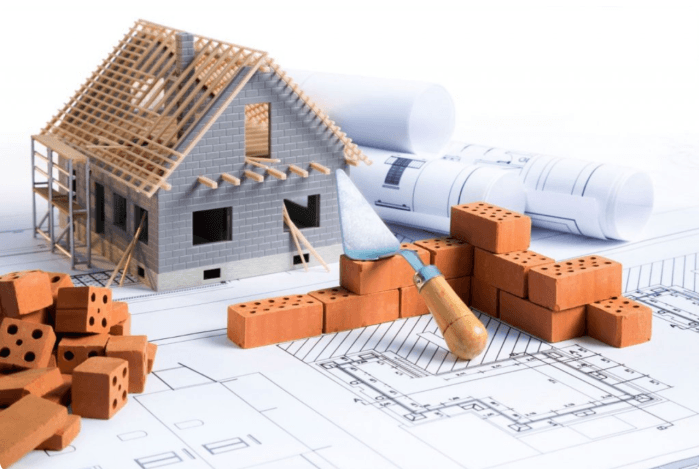

Despite advances in construction techniques and increased engineering awareness, execution and planning errors are still one of the main reasons why real estate projects falter and erode their value over time. These mistakes often start from the earliest stages of construction, when technical details that are perceived as minor are overlooked, but later turn into costly structural issues that are difficult to remedy. In this report, we take an in-depth look at the most common construction mistakes, highlighting their real causes and how to avoid them to ensure safe and sustainable buildings.
1- Ignoring the soil study and its impact on foundation safety
One of the most serious mistakes made by some owners and contractors is neglecting the soil study, as foundation safety directly depends on the soil properties and bearing capacity. Relying on inaccurate estimates or ignoring geotechnical inspection leads to subsidence and cracks that threaten the long-term stability of the building.
2- Inappropriate structural design for the nature of the project
In some projects, standard structural designs are adopted without considering the nature of the use or the number of floors and future loads, which impairs the efficiency of the building and limits its lifespan. This error is particularly prominent in residential projects that are later converted to different uses without prior structural preparation.
3- Lack of prior project planning
4- Using low-quality building materials
5- Concrete execution and curing errors Remember that some people resort to reducing costs by choosing inferior materials, ignoring that this decision later becomes a greater financial burden due to frequent breakdowns and continuous maintenance, as well as the direct impact on the safety of the building. 6- Neglecting hydro and thermal insulation Waterproofing is the main component of the structural structure, and any defect in the mixing, pouring or treatment ratios leads to poor resistance and early cracks, which reduces the efficiency of the building and affects its endurance.
7- Unsafe electrical wiring Disregarding or improperly executed insulation leads to water leaks and heat inside the building, which causes damage to finishes, increases energy consumption, and negatively affects the comfort of residents.
8- Plumbing and sewerage errors
9- Ignoring natural ventilation and air quality Failure to consider natural ventilation in architectural design leads to an unhealthy indoor environment and increases reliance on air conditioning systems, which increases energy consumption and reduces quality of life. Not considering natural ventilation in architectural design leads to an unhealthy indoor environment.
10- Poor engineering supervision during construction The absence of effective engineering supervision allows serious errors to pass without timely correction, which leads to the accumulation of defects that are difficult to remedy after construction is completed.
11- Indiscriminate modifications during construction The absence of effective engineering supervision allows serious errors to go uncorrected in a timely manner, which leads to the accumulation of defects that are difficult to remedy after construction is completed.
12- Failure to comply with approved codes and regulations
13- Mismanagement of the construction site 12- Failure to adhere to approved codes and regulations 14- Neglecting periodic quality tests 14- Neglecting periodic quality tests 15- Finishing errors and their impact on the value of the property Failure to conduct quality tests at the different stages of construction leads to hidden defects that are discovered after use, which increases the cost of repair later.
16- Ignoring future maintenance requirements
In some projects, standardized structural designs are adopted without taking into account the nature of the use or the number of floors and future loads.
Starting construction without a clear implementation plan leads to confusion in the work stages and conflicts between different disciplines, which is reflected in time delays and unjustified cost increases, as well as low quality implementation.
Some resort to reducing costs by choosing inferior materials, ignoring that this decision later turns into a greater financial burden due to frequent breakdowns and continuous maintenance, as well as its direct impact on the safety of the building.
Concrete is the main element in the structural structure, and any defect in the mixing, pouring or curing ratios leads to poor resistance and early cracks, which reduces the efficiency of the building and affects its durability.
Ignoring or improperly implementing insulation leads to water leaks and high temperatures inside the building, which causes damage to finishes, increases energy consumption, and negatively affects the comfort of residents.
Unsafe electrical work poses a real danger to life and property, as it may cause frequent breakdowns or fires due to poor wiring or the use of unapproved materials.
The absence of effective engineering supervision allows serious errors to pass without timely correction, which leads to the accumulation of defects that are difficult to remedy after construction is completed.
Unconsidered changes during construction, whether in plans or materials used, upset the structural balance of the building and lead to delays and higher costs.
Ignoring engineering codes and local regulations not only exposes the project to violations, but also weakens the level of safety and reduces the quality of construction in general.
Chaos on the job site leads to wasted materials, delayed execution, and increased occupational hazards, which negatively affects the quality and final cost of the project.
Failure to conduct quality tests at different stages of construction leads to hidden defects that are only discovered after use, raising the cost of repair later.
Although it is the last stage, poor finishes reduce the aesthetic and economic value of the building, and give a negative impression of the quality of the project as a whole.
Failing to think about maintenance from the design stage makes it difficult to access systems and services later, raising operating costs and reducing the building's efficiency in the long term.