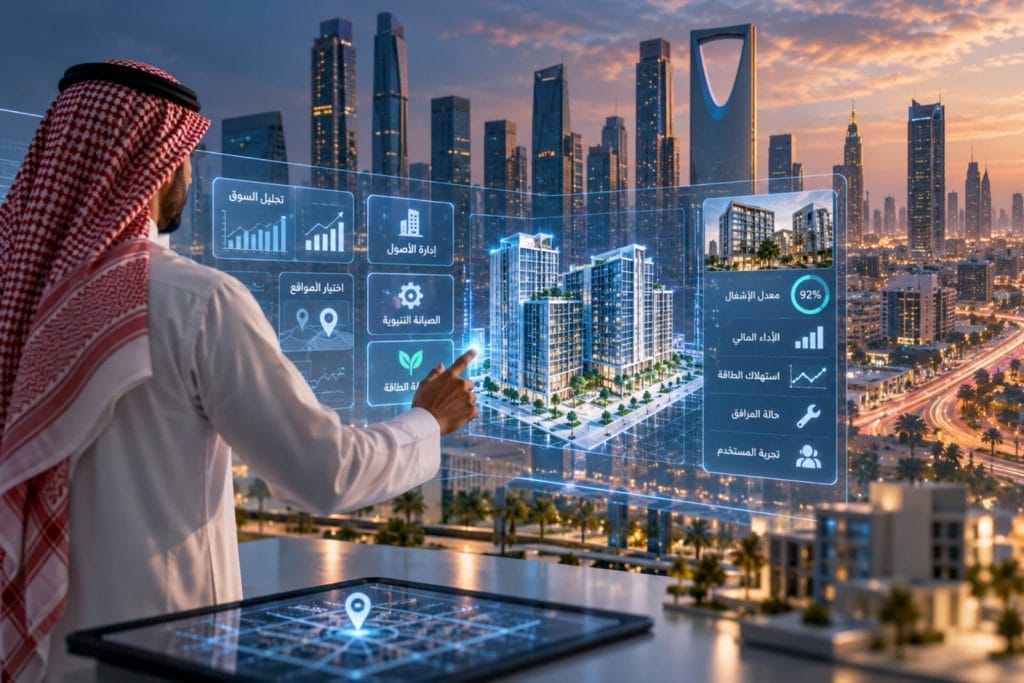
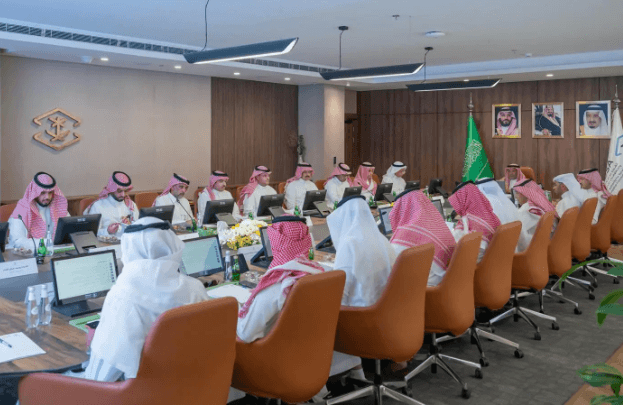
The British newspaper *The Sunday Times* reported that Saudi Arabia—the largest country in the Gulf Cooperation Council (GCC) and home to the Gulf’s largest real estate market— and the fastest-growing compared to other Arab countries, in addition to possessing approximately 25% of the world’s proven oil reserves.
The newspaper added that events in the Middle East in recent years have reinforced the Kingdom’s position as the most stable market, underscoring its strategic and economic importance in the region, and although the real estate sector is still in its early stages of development, it represents a promising area for attracting foreign investment.
The Kingdom is undergoing massive economic and developmental reforms led by the Custodian of the Two Holy Mosques, King Abdullah—may God preserve him—which have stimulated activity in the real estate sector, particularly given the significant population growth and the trend toward urbanization, with urban areas accommodating more than 9 million people by 2010, alongside a rising proportion of the population in the youth age group, which is approaching 40%.
Among the key factors supporting the Saudi real estate market are increased demand from local and foreign buyers, as well as rising purchasing power. These and other factors have had a positive impact on the economic structure, and have made the real estate sector one of the most attractive for investment and profitability, with estimates indicating that annual demand for residential units will rise to 300,000 units by 2023.
Furthermore, massive investments in large-scale infrastructure projects have sustained the positive outlook for the real estate market, as the government proactively seeks to achieve rapid and sustainable economic growth, This is clearly evident in the allocations for development projects in the annual budgets, as well as in the implementation of programs to stimulate urban expansion and the construction of megacities, particularly in the capital, Riyadh, and the city of Jeddah, in addition to the economic cities currently under development, which will account for about 30% of the Saudi economy and accommodate between 4 and 5 million people by the year 2020.
The housing shortage is estimated at approximately 1.6 million housing units as of 2015, so the government has moved to encourage the private sector to develop the housing sector. Last year, it enacted the Mortgage Law and pledged to provide 250 billion riyals to build approximately 500,000 housing units.
Real estate experts say that the real estate sector contributes about 9.5% of non-oil GDP, with an annual growth rate of 6%, and they expect real estate prices and rents to decline in the near future, noting that citizens now have greater opportunities to become homeowners following the encouraging initiatives taken by the government over the past two years.
Despite the progress made in various real estate sectors across the Kingdom, there remains a need to build more residential units, which have attracted a significant number of Saudi and foreign investors to work in the construction sector, which is maintaining positive growth rates expected to remain around 4.5% through 2017, particularly in Makkah, Madinah, and Riyadh, which are experiencing high levels of demand.
The Kingdom relies heavily on oil revenues to finance infrastructure and housing projects, with oil accounting for 50% of the gross national product, Therefore, the development of the real estate sector and the integration of private financing institutions into real estate development represent a golden opportunity for the Kingdom, driven by rising demand and the political and economic stability the Kingdom enjoys compared to other turbulent countries in the region, in addition to its desire to diversify sources of national income.
A report issued by “MEED,” a company specializing in real estate, revealed that the Kingdom leads the region in the volume of real estate projects, estimated at approximately $600 billion, followed by the United Arab Emirates at $350 billion and Kuwait at $150 billion.
Experts emphasize the need for the government and local banks to open up to foreign investment in order to provide massive financing for the real estate sector, which is experiencing tremendous demand that will continue for years to come, along with the need to establish sound legal and regulatory frameworks to further stimulate the real estate market. They stress that the real estate market is poised for a major leap forward that will increase its share of gross domestic product, while addressing financing challenges through the banking system or specialized funds.