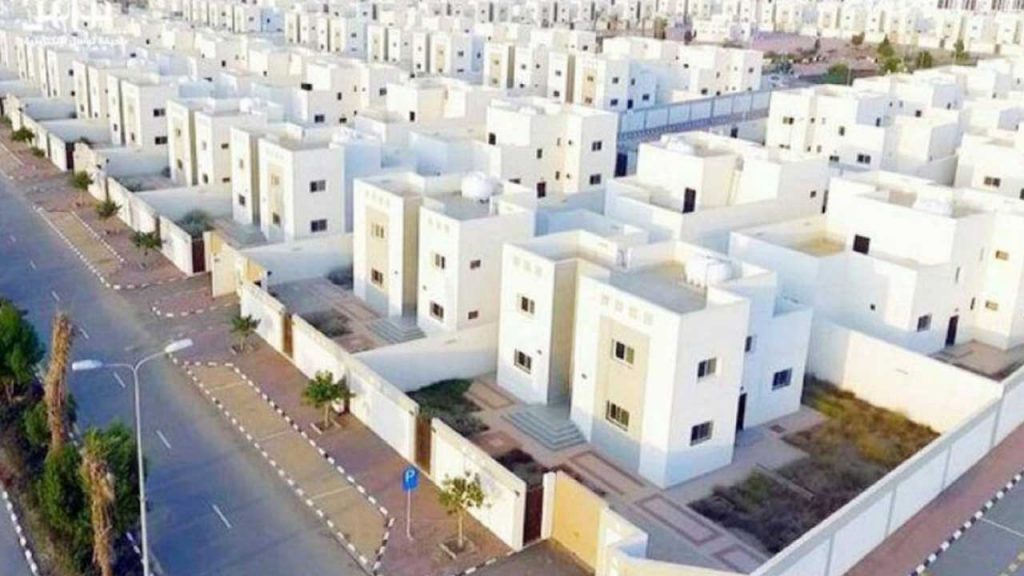
أطلقت وزارة البلديات والإسكان مشروع «اللائحة التنفيذية لرسوم العقارات الشاغرة» لاستطلاع الآراء والملاحظات حتى 25 أبريل 2026، موضحة أن جميع استخدامات العقارات الشاغرة ستخضع لتطبيق الرسم دون استثناء. ويُلزم المشروع الملاك بسداد الرسوم وفق نسب ملكيتهم، في حال تعدد الشركاء، سواء كانوا أفرادًا أو كيانات اعتبارية.
التزامات الملاك والإفصاح الإلزامي
يفرض المشروع على ملاك المباني الخاضعة للرسم تقديم كافة الوثائق والبيانات المطلوبة للوزارة، مع الإفصاح عن حالة العقارات بشكل دقيق، كما يشمل ذلك الملاك الجدد، مع إلزام الجميع بتحديث بياناتهم مرة واحدة على الأقل خلال السنة المرجعية التي تحددها الوزارة.
لجان التقييم وتقدير القيمة
منح المشروع الوزارة صلاحية تشكيل لجنة فنية أو أكثر لتقدير أجرة المثل وقيمة المباني الخاضعة للرسم، على ألا يقل عدد أعضاء اللجنة عن ثلاثة من ذوي الخبرة في تقييم العقارات، ومن بينهم مقيمون مرخصون من الهيئة السعودية للمقيمين المعتمدين. وتصدر قرارات هذه اللجان بالأغلبية، وتستمر عضويتها لمدة ثلاث سنوات قابلة للتجديد أو التمديد.
آلية احتساب الرسوم والمعايير المعتمدة
ينص المشروع على أن يتم تقدير أجرة المثل وقيمة الرسم المستحق وفق معايير وآلية تقييم تعتمد بقرار من الوزير، وتشمل تحديد متوسط قيمة المبنى في السوق بالاستناد إلى عقارات مماثلة من حيث الموقع والنوع والاستخدام، إلى جانب تحديد متوسط الإيجارات داخل النطاق العمراني لكل مدينة. وفي حال تعذر وجود عقار مماثل، يتم الاعتماد على قيمة الأرض بحسب نوع الاستخدام وموقع المبنى.

مؤشرات خضوع المدن للتطبيق
حدد المشروع مجموعة من المؤشرات لتطبيق الرسم على المدن، أبرزها:
ارتفاع نسب الشغور في العقارات السكنية والتجارية.
زيادة تكاليف السكن مقارنة بدخل الأسر.
ارتفاع أسعار العقارات مقارنة بمؤشر أسعار المستهلك.
تركز ملكية العقارات الشاغرة لدى أشخاص يمتلكون أكثر من عقار.
قيمة الرسم وحدوده
حدد المشروع الرسم السنوي على العقارات الشاغرة بنسبة من أجرة المثل، على ألا تتجاوز 5% من قيمة المبنى، كما أشار إلى تحديد استخدامات العقارات المشمولة بالرسم، ووضع حد أدنى لعدد العقارات الشاغرة التي يمتلكها الشخص ليخضع للتطبيق.
مراجعة دورية لأوضاع السوق
خول المشروع الوزارة بإجراء مراجعة سنوية شاملة لأوضاع السوق العقاري، تشمل تقييم حجم المعروض من المباني، ونسب الإشغال، ومستويات التداول، ومتوسط الإيجارات، إلى جانب رصد الممارسات الاحتكارية في أي مدينة أو نطاق جغرافي، بهدف اتخاذ القرار بشأن تطبيق الرسم.
شروط إخضاع العقارات للرسم
يشترط المشروع مجموعة من الضوابط لتطبيق الرسم، من أبرزها:
وقوع العقار داخل نطاق التطبيق.
قابليته للإشغال أو جاهزيته للحصول على شهادة إشغال.
بقاؤه شاغرًا لمدة ستة أشهر متصلة أو متفرقة.
توافق استخدامه مع الأنشطة المحددة.
بلوغ عدد العقارات المملوكة الحد الأدنى للتطبيق.
انخفاض استهلاك الخدمات المرتبطة بنوع الاستخدام.
حالات إيقاف تطبيق الرسم
يتوقف تطبيق الرسم في عدد من الحالات، منها:
زوال أحد شروط الخضوع.
وجود مانع يمنع إشغال العقار دون مسؤولية المالك.
انتقال الملكية عبر بيع موثق.
صدور شهادة إشغال خلال السنة المرجعية.
وجود أسباب قهرية للشغور مع تقديم مستندات داعمة.
تسجيل العقار كعنوان رئيسي وفق الأنظمة.
ضبط التطبيق ومنع التهرب.
إجراءات ضمان العدالة ومنع التهرب
خول المشروع الوزارة اتخاذ الإجراءات اللازمة لضمان تطبيق الرسم بعدالة، بما يشمل توحيد معايير التطبيق والتقييم بين المدن، والتحقق من دقة البيانات المقدمة من المكلفين، والتنسيق مع الجهات ذات العلاقة، إضافة إلى إمكانية احتساب الرسوم عن السنوات السابقة بدءًا من تاريخ خضوع العقار للنظام.
الالتزامات المالية ومواعيد السداد
ألزم المشروع المكلفين بسداد قيمة الرسم وأي غرامات ناتجة عن مخالفة النظام أو اللائحة خلال مدة لا تتجاوز ستة أشهر من تاريخ إصدار الفاتورة. أما في حال صدور الفاتورة عن سنوات سابقة، فتكون نافذة من تاريخ إصدارها، مع منح مهلة 90 يومًا للسداد من تاريخ التبليغ.
تحصيل الرسوم وتوجيه العوائد
أسند المشروع إلى الوزارة مسؤولية تحصيل الرسوم والغرامات وفق الإجراءات النظامية المعتمدة، مع إمكانية الاستعانة بالقطاع الخاص لتنفيذ عمليات التحصيل. كما نص على تخصيص حصيلة هذه الرسوم لدعم مشروعات الإسكان، وفق آليات يتم الاتفاق عليها مع وزارة المالية، بما يسهم في تعزيز استدامة القطاع العقاري.