
The Al Rajhi Capital for the construction sector in Saudi Arabia, after seasonal adjustment, a positive rebound in May, rising from 48.5 points in April to 51.2 points, returning once again above the 50-point threshold separating growth from contraction and marking the best reading in three months, reflecting a modest improvement in the pace of activity within the sector.
This improvement points to a gradual return of operational momentum, supported by factors linked to increased regional stability, which has encouraged many companies to resume work on existing projects and restart a number of new ones. However, the recovery continues at a slower pace compared to the beginning of 2026, amid ongoing operational pressures.
Despite signs of improvement in production and new orders since April, the report noted that major challenges continue to face the sector, most notably heightened uncertainty in the business environment, rising production input costs, and a trend toward greater caution and risk aversion among clients in their contracting decisions.
Residential Construction Leads the Way
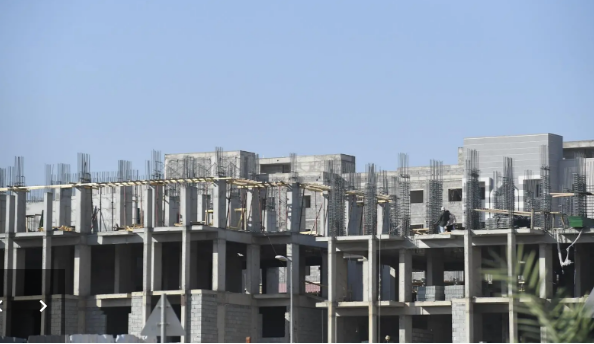
At the subsector level, residential construction led the way in May, registering 53.8 points and returning to the top spot for the first time since January. This performance was driven by rising underlying demand for residential units and improved customer confidence, along with the market regaining some of its balance following previous disruptions linked to regional developments.
The non-residential construction sector its growth trajectory, recording 50.5 points, supported by the continued implementation of a range of commercial and industrial projects, as well as a gradual improvement in investor confidence, which has helped maintain steady expansion in this sector since the beginning of the year.
In contrast, the infrastructure sector
the infrastructure sector saw a notable decline to 45.7 points, marking its first contraction since the index began tracking, affected by a drop in new orders during the recent period, which put pressure on the performance of this vital sector.
In terms of new orders, growth resumed in May after two months of decline; however, the pace of expansion remained below the levels recorded in January and February, reflecting continued market caution despite improving fundamentals.
Companies also noted that they continue to benefit from demand linked to long-term economic diversification projects and Saudi Vision 2030 initiatives, in addition to growth resulting from rapid urban expansion and major government projects across the Kingdom.
On the supply chain front, the sector saw a notable improvement in May, as delivery times for production inputs declined for the first time since February, coinciding with improved availability of subcontractors, which helped support execution efficiency.
Logistical Challenges
However, despite these positives, some logistical challenges persisted, particularly shipment delays in the region and rising transportation and raw material costs, which were reflected in the largest increase in production input prices since the survey began in January.
As for future expectations, May data showed a clear improvement in business confidence, with about 30% of respondents expecting activity to rise over the coming year, compared with only 16% who expected a decline, marking the highest level of optimism in four months, driven by expectations of continued strong demand, improved regional stability, and increased growth opportunities linked to major development projects.