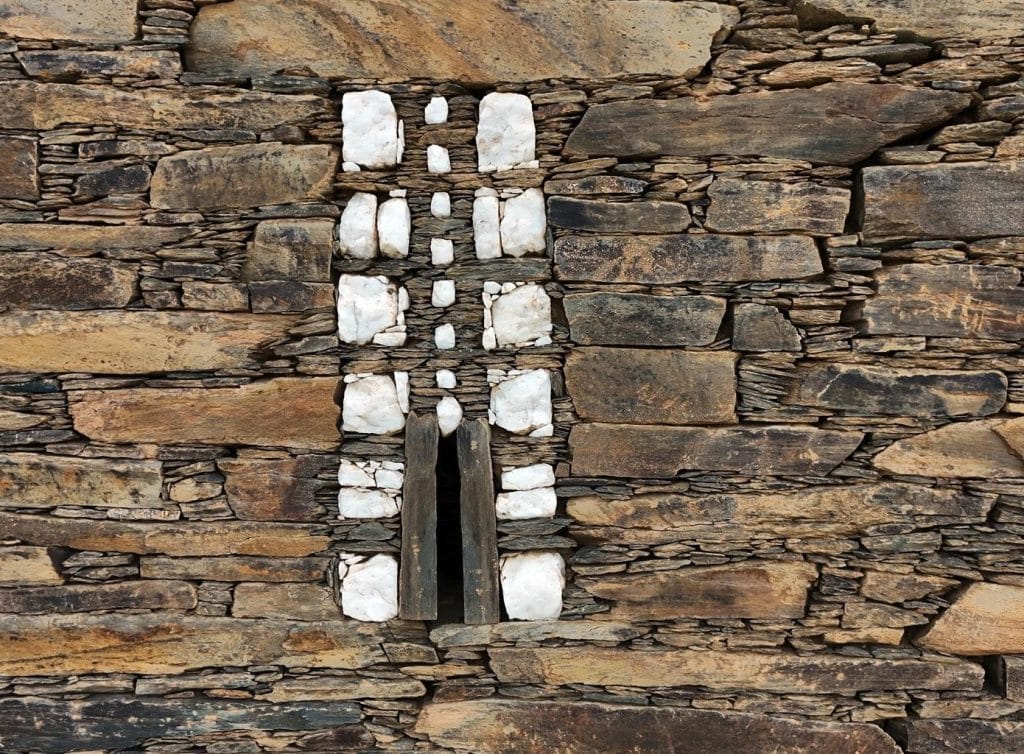

تحتفظ المباني الحجرية التقليدية في منطقة عسير بأحد أبرز عناصرها الجمالية، المتمثل في “المَرو”، وهو الحجر الأبيض اللامع الذي شكّل على مدى عقود طويلة علامة فارقة في زخرفة واجهات المنازل، وجسد جانبًا من براعة البنّاء العسيري في توظيف عناصر البيئة المحلية لإنتاج عمارة تمتزج فيها الوظيفة بالجمال.
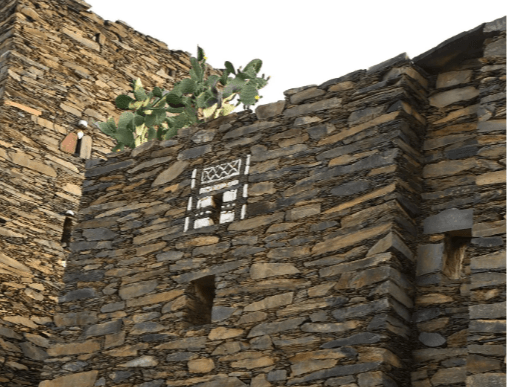
واعتمد البناؤون قديمًا على جمع أحجار “المَرو” من المواقع الجبلية، ثم تكسيرها إلى قطع صغيرة تُرص بعناية داخل الواجهات الحجرية، لتشكل وحدات زخرفية هندسية تزين الأبواب والنوافذ، وتمتد إلى أعلى المباني، في أنماط تتنوع بين المثلثات، والمربعات، والخطوط الرأسية والأفقية، لتمنح المبنى تباينًا بصريًا مميزًا بين بياض المَرو ولون الأحجار الداكنة.
ولم يكن استخدام المَرو مقتصرًا على الجانب الجمالي، بل مثّل أحد العناصر التي عكست الهوية المعمارية لمنطقة عسير، إذ أسهم في إبراز خصوصية المباني التقليدية، وأظهر مهارة الحرفيين في تنفيذ تشكيلات زخرفية دقيقة باستخدام خامات طبيعية محلية، دون الحاجة إلى مواد مصنعة أو تقنيات حديثة.
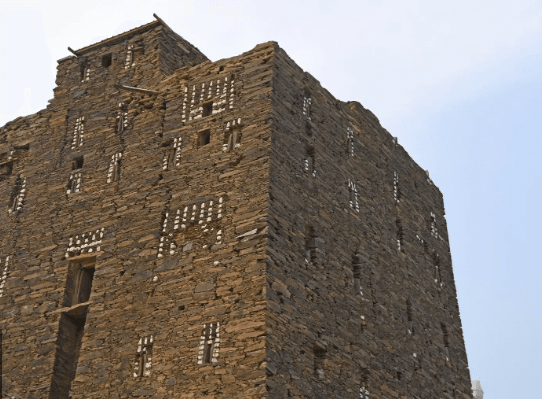
وترافق المَرو مع عدد من المفردات الزخرفية التي اشتهرت بها العمارة العسيرية، من بينها “الخارجة”، و”الخِضار”، و”الخَمْشَة”، و”الشُرُفات”، و”القَضَب”، و”القَطِران”، لتشكل مجتمعة منظومة فنية متكاملة تعكس ذائقة المجتمع العسيري، وارتباطه الوثيق بالمكان، وحرصه على إضفاء الطابع الجمالي على مساكنه
ولا تزال آثار هذه الزخارف حاضرة في العديد من القرى التراثية بمنطقة عسير، حيث يواصل المَرو أداء دوره بوصفه شاهدًا على أصالة العمارة المحلية، بما يتميز به من صلابة ولمعان طبيعي مكّناه من مقاومة عوامل الزمن، والمحافظة على حضوره فوق واجهات المنازل التاريخية.
ويأتي الاهتمام المتزايد بالمحافظة على المباني التراثية في إطار الجهود الوطنية الرامية إلى صون التراث العمراني، وإحياء الحرف التقليدية، وتعزيز الهوية الثقافية، بما ينسجم مع مستهدفات رؤية المملكة 2030 في حماية الموروث الوطني، وإبراز قيمته الحضارية، وتحويله إلى رافد ثقافي وسياحي يسهم في إثراء تجربة الزوار، ونقل إرث العمارة العسيرية إلى الأجيال القادمة.