
paints from a mere aesthetic element that gives buildings a modern look to becoming the first line of defense in protecting facades and roofs from increasing environmental impacts. With rising temperatures, higher humidity levels, sandstorms, and heavy rains in some regions, the quality of paints has become a decisive factor in extending the lifespan of buildings and reducing maintenance costs, prompting real estate developers, contractors, and property owners to rethink their paint selection criteria, moving beyond price and appearance to focus on performance, durability, and sustainability.
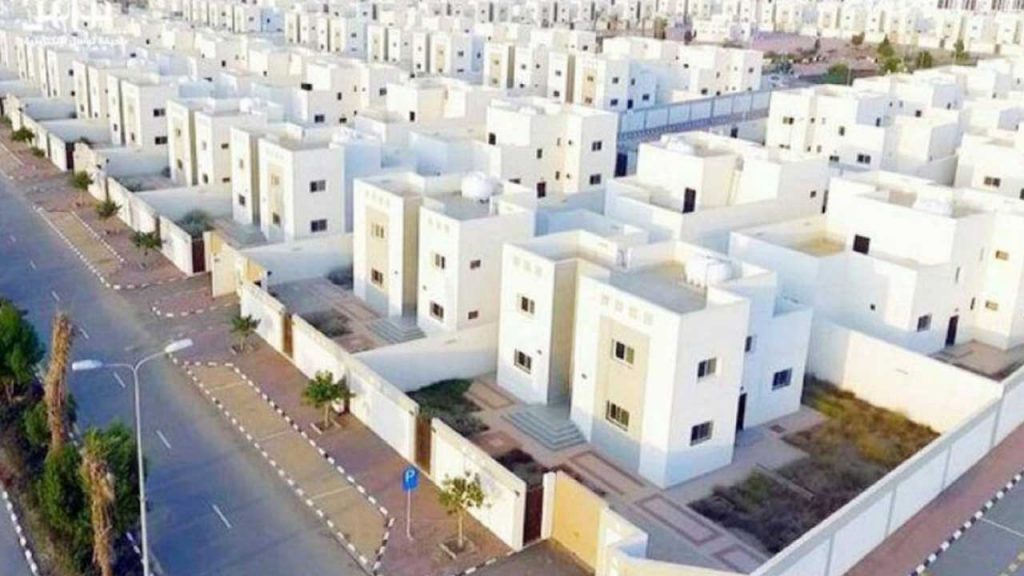
Amid the expansion of construction projects in the Middle East, particularly in Saudi Arabia and the Gulf states, harsh climatic conditions have become a real challenge for the paint industry, prompting both international and local companies to develop products based on advanced technologies capable of withstanding UV rays, humidity, salts, and pollution, thereby ensuring the long-term quality of buildings.
The Climate... The Number One Enemy of Paints
Exterior paints are exposed daily to various climatic factors that directly affect their physical and chemical properties, the most notable of which are:
High temperatures.
Ultraviolet (UV) radiation.
High humidity.
Rain.
Winds carrying dust and sand.
Salinity in coastal cities.
Sudden changes in temperature between day and night.
These factors accelerate the deterioration of the paint coating if it is not designed to withstand these conditions.
High Temperatures and Their Effect on Paints
High temperatures pose one of the greatest challenges to paints, especially in desert regions where temperatures exceed 50 degrees Celsius.
Among the most notable effects are:
Constant expansion and contraction of the paint layers.
The appearance of micro-cracks.
Loss of paint elasticity.
Fading of color.
Decreased surface gloss.
Peeling of the outer layers.
These effects are exacerbated by the use of low-quality paints or improper application.
Ultraviolet (UV) rays... The Hidden Threat
Ultraviolet (UV) rays are the main cause of paint losing its original color.
It leads to:
Breakdown of the chemical bonds in resins.
Loss of gloss.
Discoloration.
Chalking.
Reduced water resistance.
For this reason, modern companies rely on UV-resistant additives in their paint formulations.
Moisture and Its Effect on Walls
Moisture is considered one of the most dangerous factors affecting paints, whether inside or outside buildings.
Among its most notable effects are:
Paint blistering.
Peeling paint.<
Fungal and mold growth.
Discoloration.
Damage to the finish layers.
The problem is exacerbated in coastal cities, where humidity levels are high most days of the year.
Coastal salts
In cities bordering the sea, humidity alone is not the problem; airborne salts pose an additional threat.
These cause:
Corrosion of metal surfaces.
Poor paint adhesion.
Peeling paint.
White stains.
Reduced lifespan of facades.
For this reason, special salt-resistant paints are used.
Dust and Sandstorms
Many Gulf countries experience frequent sandstorms.
These storms cause:
Scratching of surfaces.
Reduced paint gloss.
Dust accumulation.
Increased heat absorption.
Accelerated deterioration of the outer layer.
Rain and Weather Changes
In areas subject to seasonal rains, paints may face numerous problems such as:
Water seepage.
Delamination.
Algae growth.
Moisture stains.
Discoloration.
How do you determine paint quality?
Paint quality depends on several factors, the most important of which are:
First: The binder
This is the component responsible for:
Cohesion.
Adhesion.
Water resistance.
UV resistance.
Pure acrylic is considered one of the best materials used in exterior paints.
Second: Pigments
High-quality pigments provide:
Color fastness.
UV resistance.
Better coverage.
Longer lifespan.
Third: Chemical Additives
Modern companies add substances that help with:
Mold resistance.
Bacterial resistance.
Water resistance.
Reduced dust adhesion.
Self-cleaning.
Smart Paints
In recent years, the industry has witnessed significant development with the emergence of so-called smart paints, including:
Heat-reflective paints.
Antibacterial paints.
Self-cleaning paints.
Paints that absorb pollutants.
Scratch-resistant paints.
Paints that change color depending on temperature.
The Importance of Choosing the Right Color
Color affects not only the appearance but also the performance of a building.
Take the color white, for example:
It reflects a large percentage of the sun’s rays.
It reduces the temperature of the facade.
It reduces air conditioning consumption.
Dark colors, on the other hand, absorb more heat, raising the temperature of the walls and increasing thermal loads.
Application standards are just as important as product quality
Even the best paints can fail if they are not applied according to the correct standards, which include:
Proper surface preparation.
Removing moisture and dust.
Using the appropriate primer.
Adhering to recommended temperatures during application.
Applying the specified number of coats.
Observing drying times between coats.
Sustainability and Low-VOC Paints
Sustainability has become a key element in the paint industry, with the expanding use of low-volatile organic compound (VOC) products, which contribute to:
Improving indoor air quality.
Reducing environmental impact.
Promoting user health.
Supporting green building requirements and sustainability certifications such as LEED and BREEAM.
Innovation Drives the Future of the Paint Industry
Manufacturers are moving toward developing new technologies based on nanotechnology and composite materials to produce paints that are more resistant to harsh climatic conditions, with features such as stain resistance, extended service life, and reduced maintenance needs, in line with the requirements of smart cities and modern infrastructure projects.